Bernhagen Lab News
BioM Bootcamp
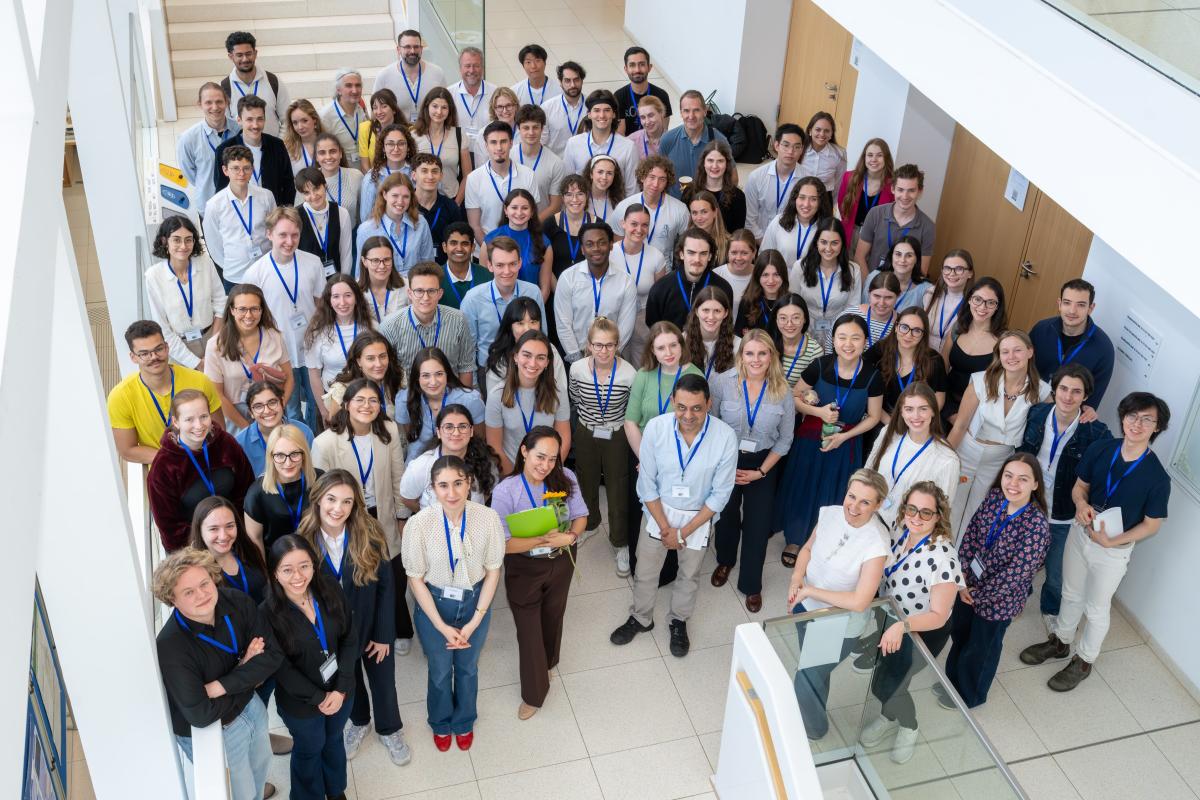
July 2026 – Our lab was invited to participate at the 2026 BioM Bootcamp with the project SELECKREM featuring our novel peptide-based drug (CKREM) technology that selectively targets a key disease-causing pathway, the MIF-CXCR4 axis, in atherosclerotic diseases. Jürgen Bernhagen and Simon Ebert participated in this intensive and highly productive 8-week course, interacting with and reaching out to leaders in biotech, industry, and venture capital.
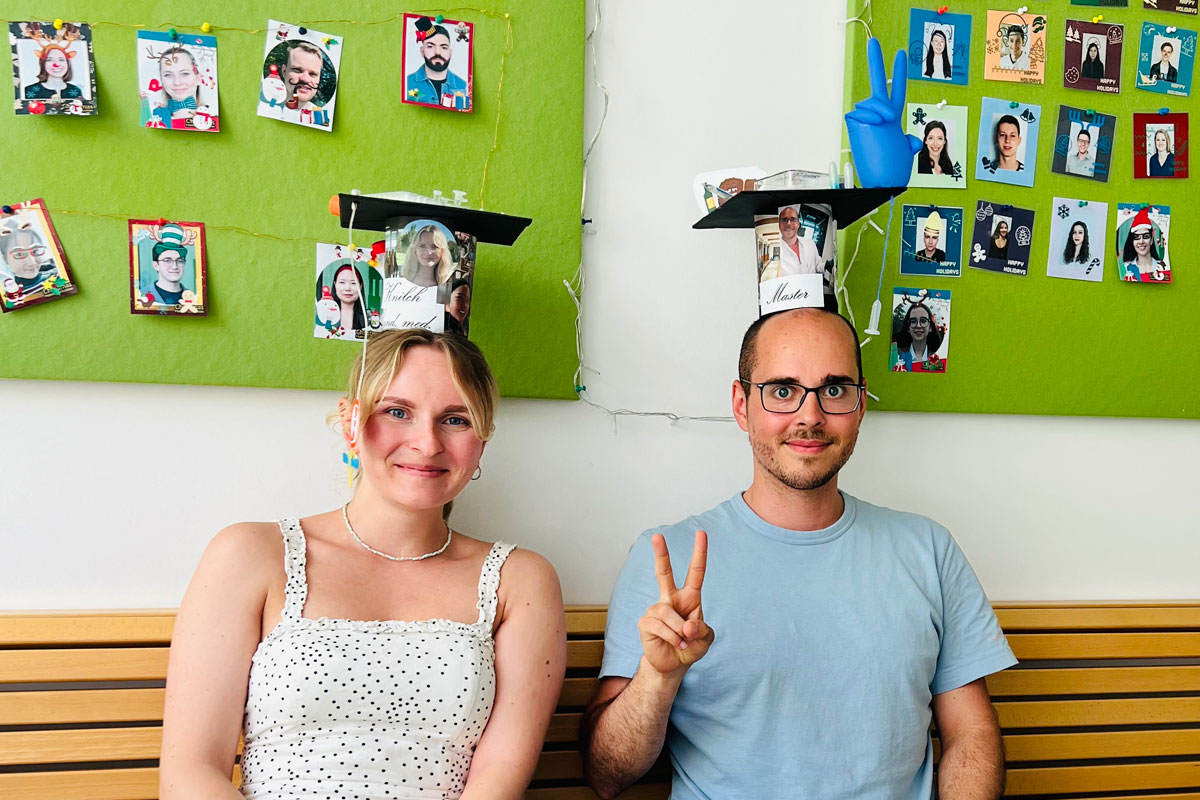
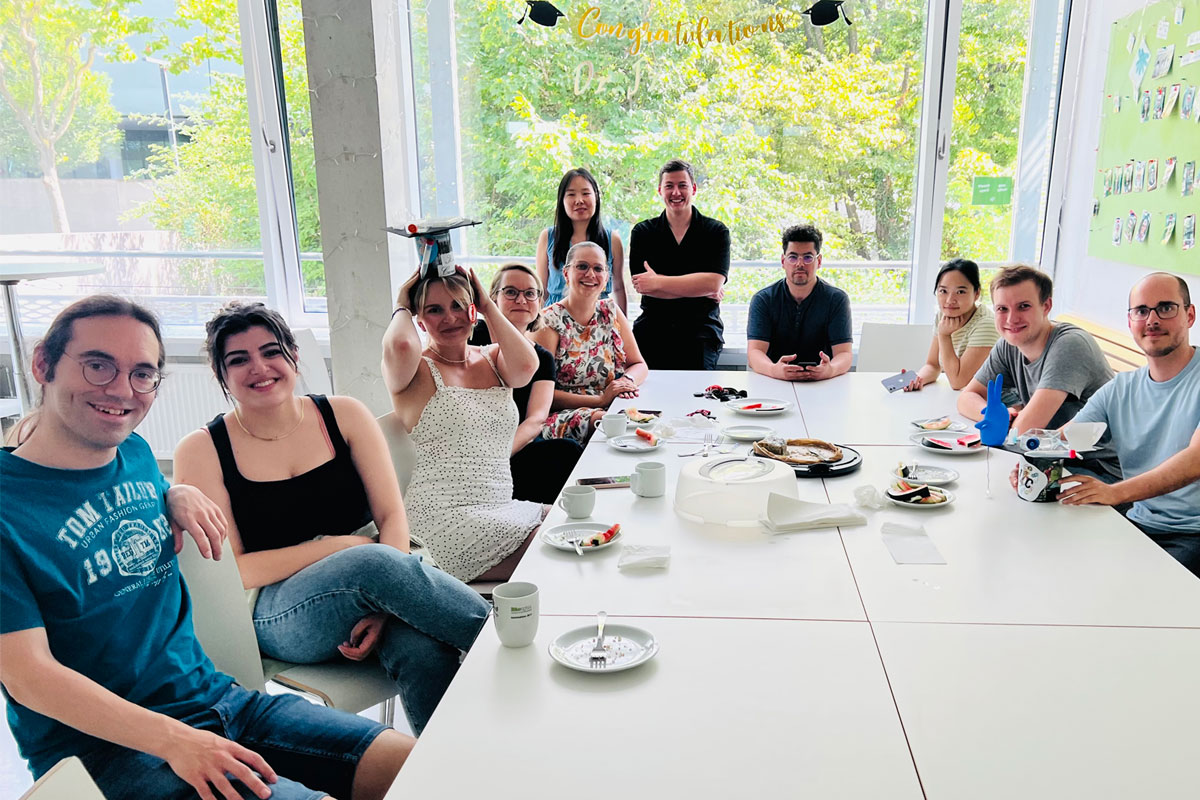
MD doctoral defense of Leon Zwissler and Dario Ponto
July 2026 – Leon Zwissler and Dario Ponto successfully concluded their MD thesis on the topics "and defended their MD degree to obtain their Dr. med. degree. In his thesis “Role of oxidized species of the cytokine MIF in cardiovascular inflammation”, Leon comprehensively studied certain oxidized variants of the cytokine MIF and together with collaborators from Singapore and New Zealand interrogated their inflammatory activity in the context of cardiovascular pathology. Dario followed up on a previous MD doctoral thesis of Dr. Eva Preuner. Together, they studied an emerging class of E2/E3 cullin RING ligase inhibitors, the so-called DCN-1 inhibitors. They are the first to assess the role of these inhibitors in the context of cardiovascular inflammation.
Munich Medical Student Science Conference
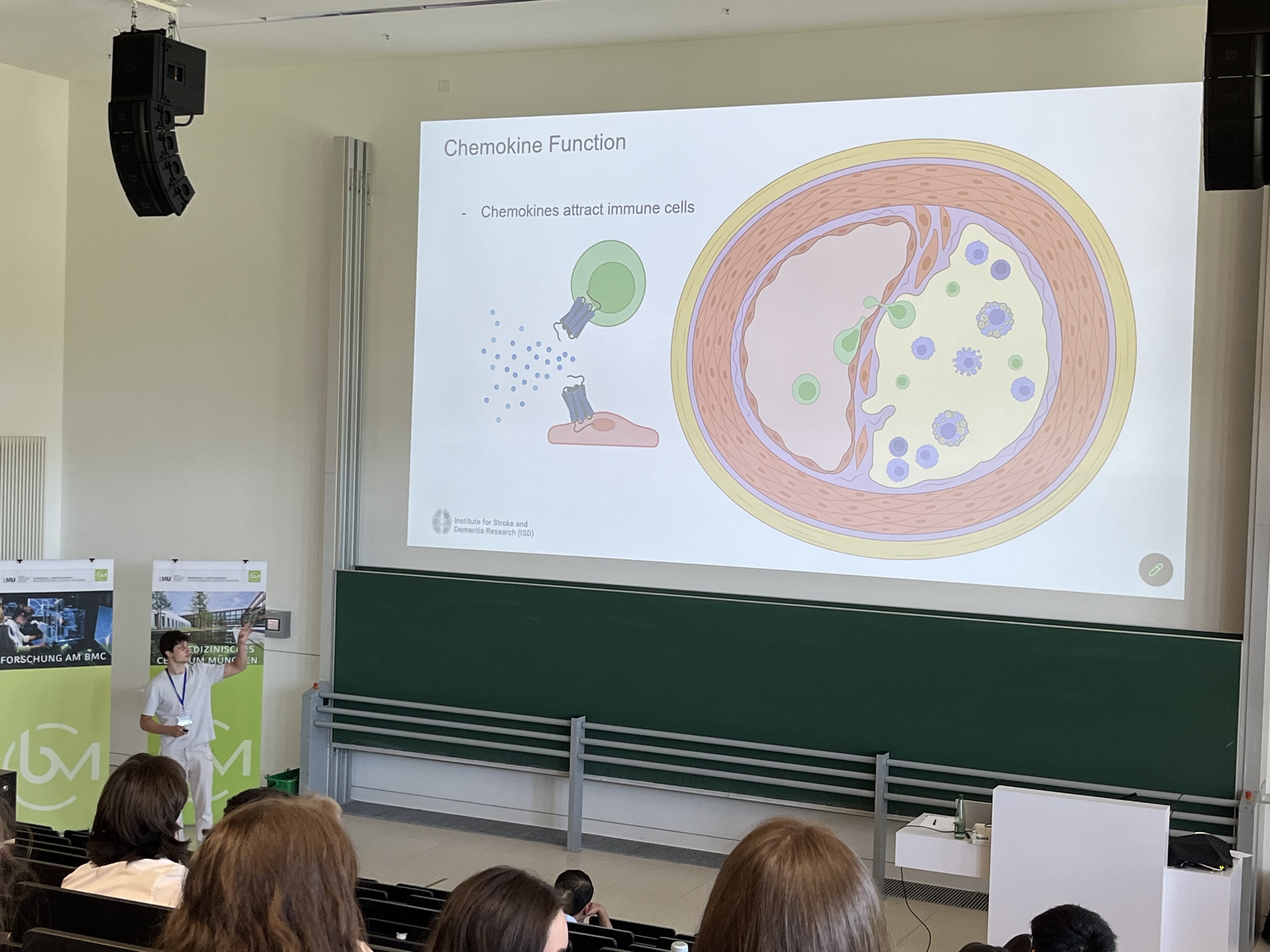
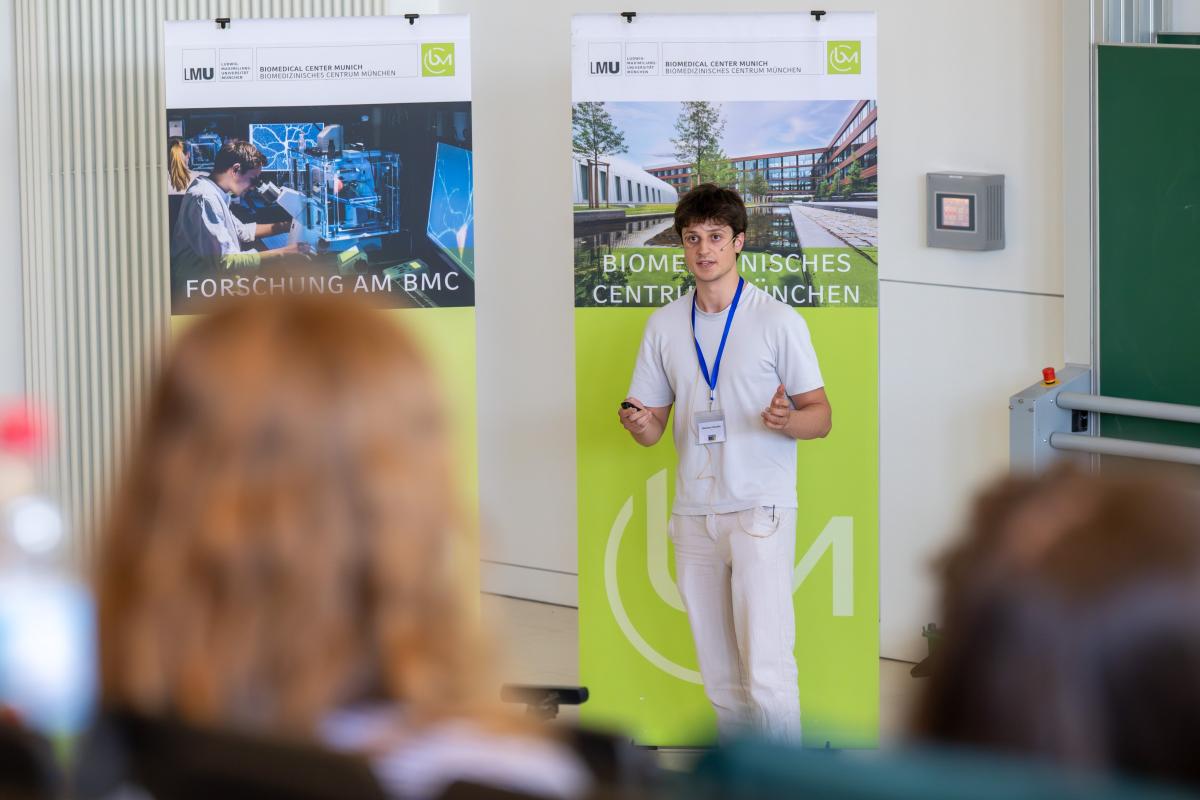
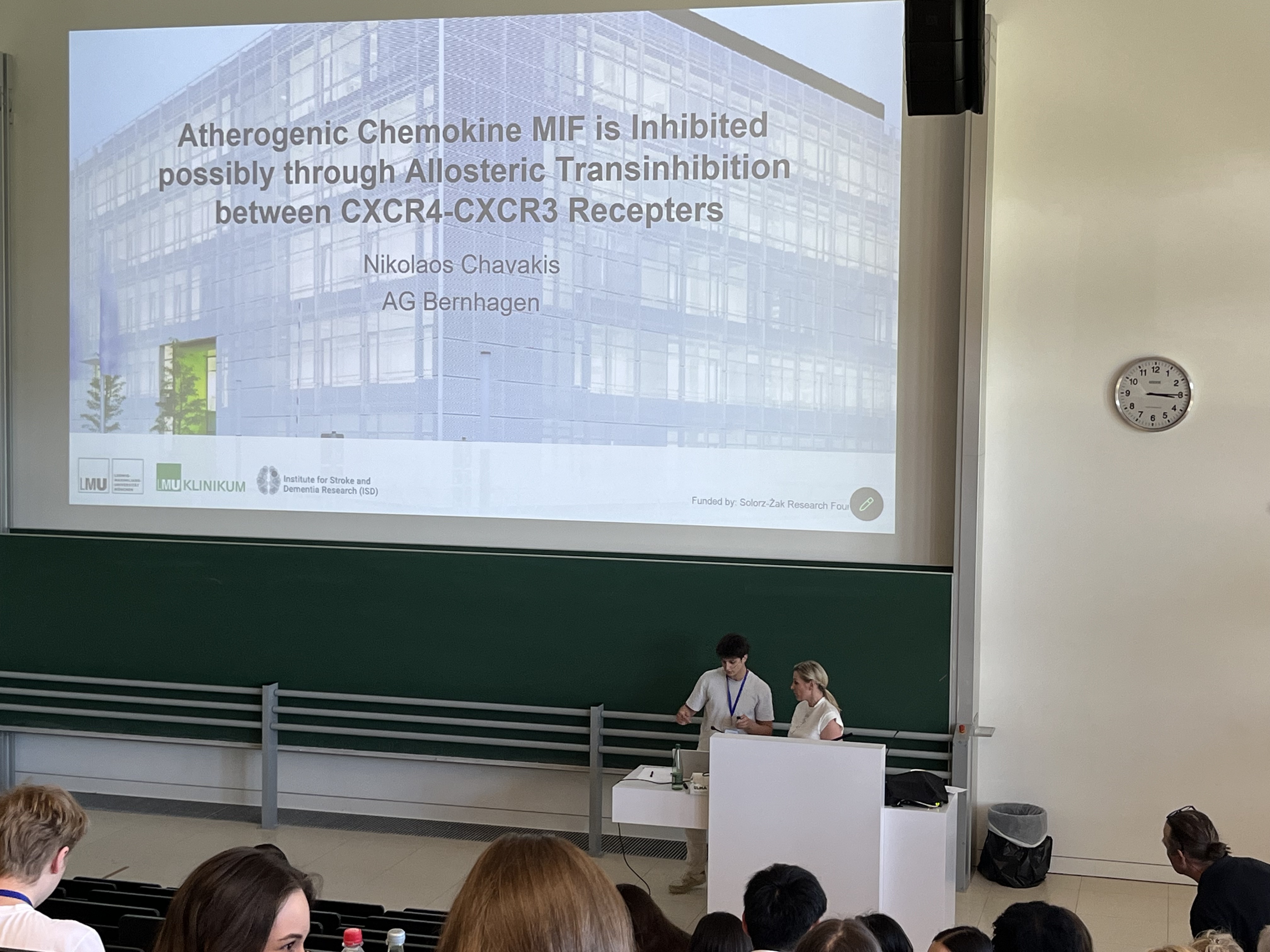
June 2026 - Nikolaos Chavakis gave a talk at Munich Medical Student Science Conference as part of Young Researchers Session
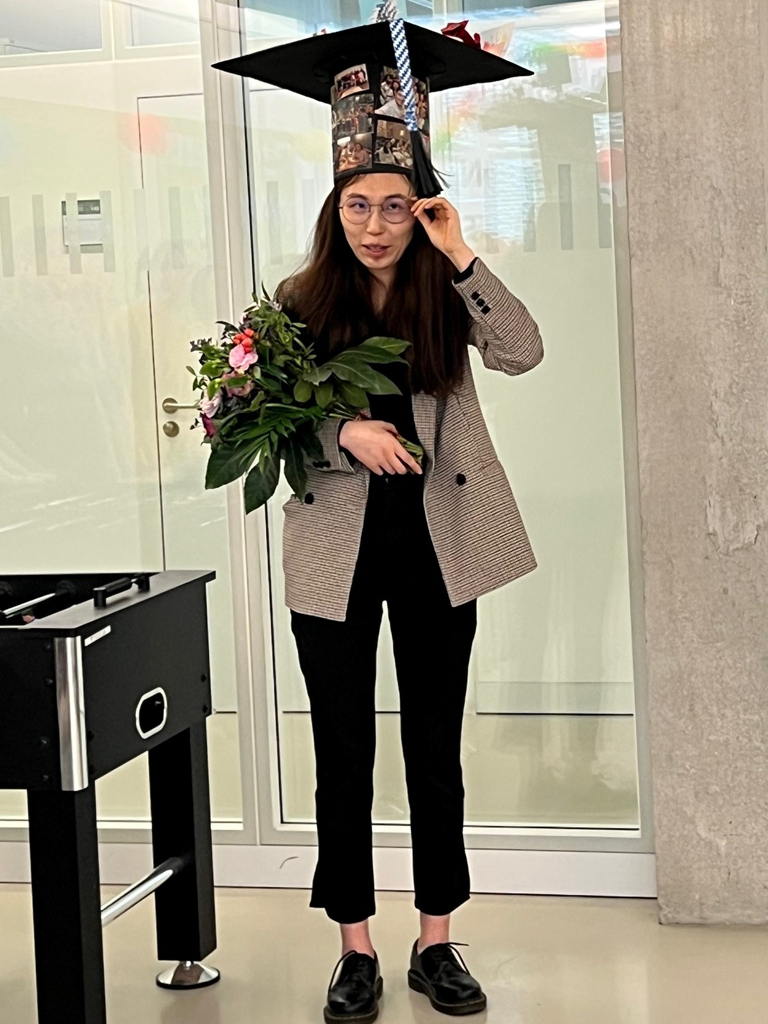
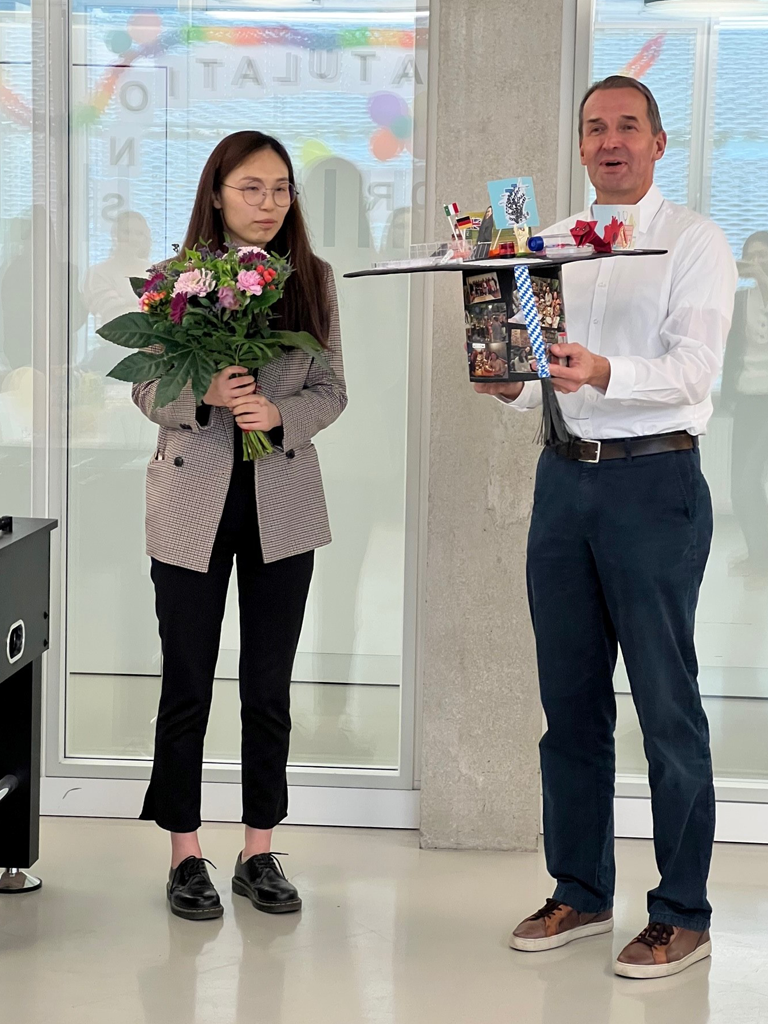
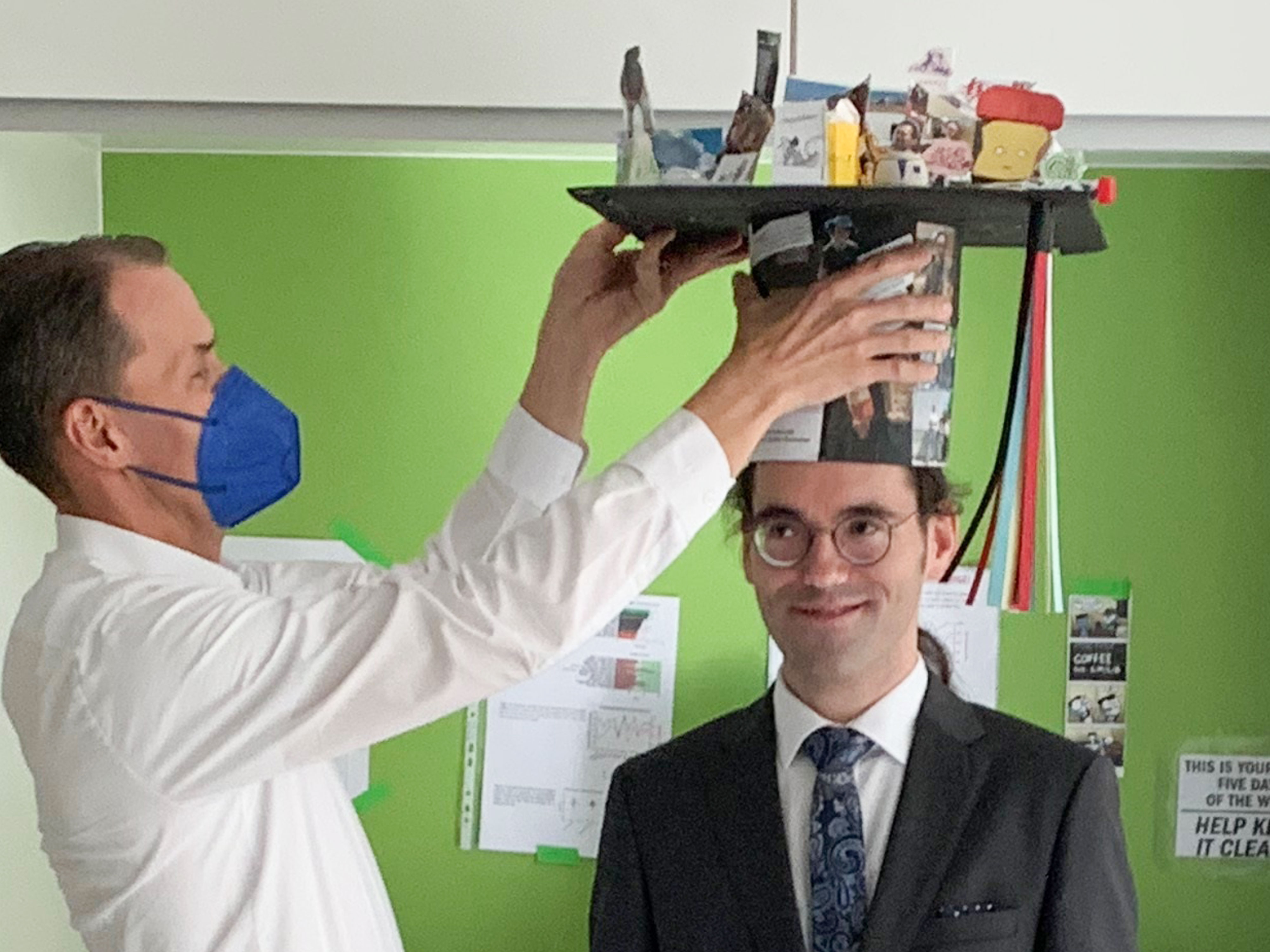
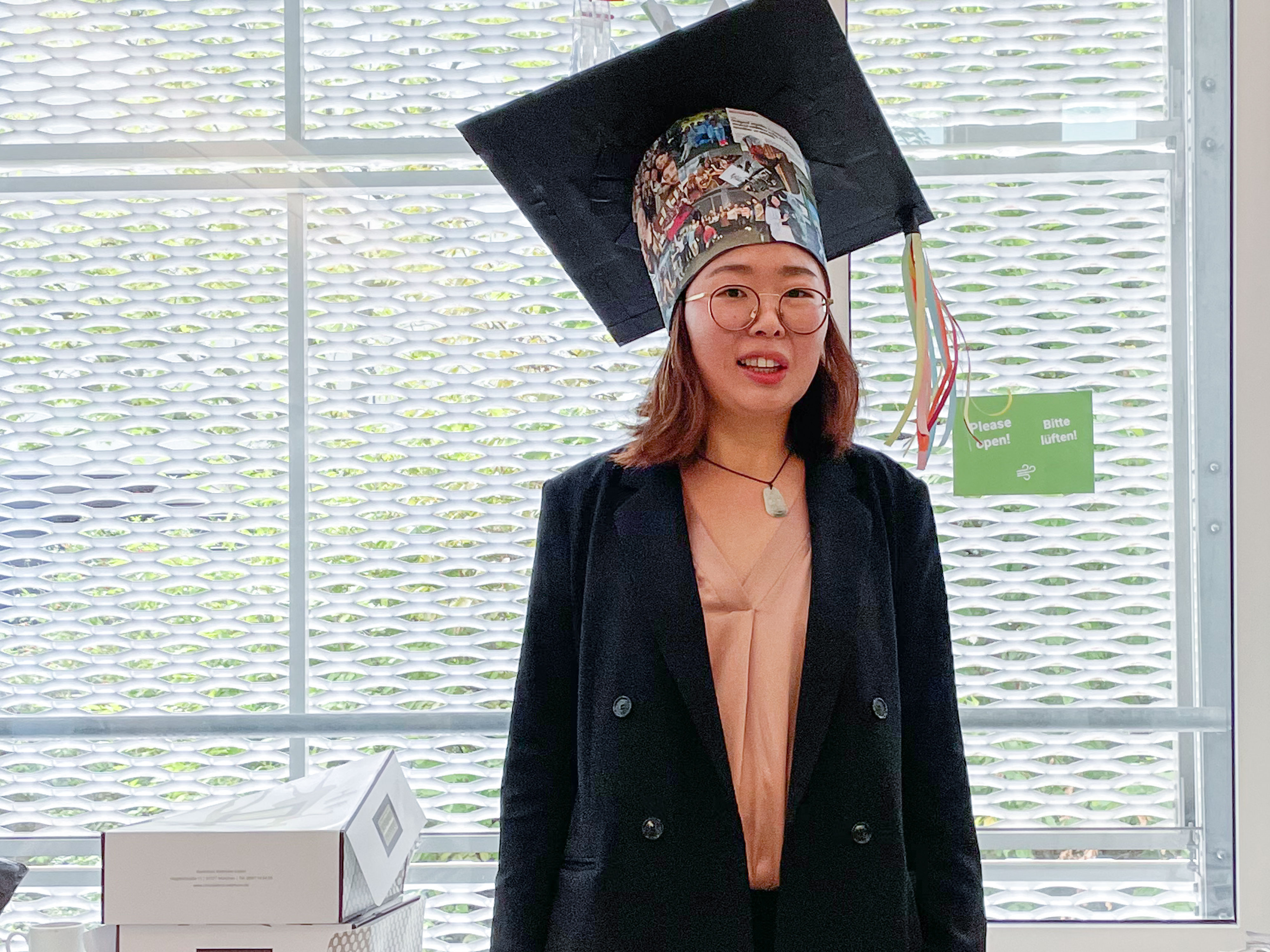
Bishan Yang obtained her PhD degree
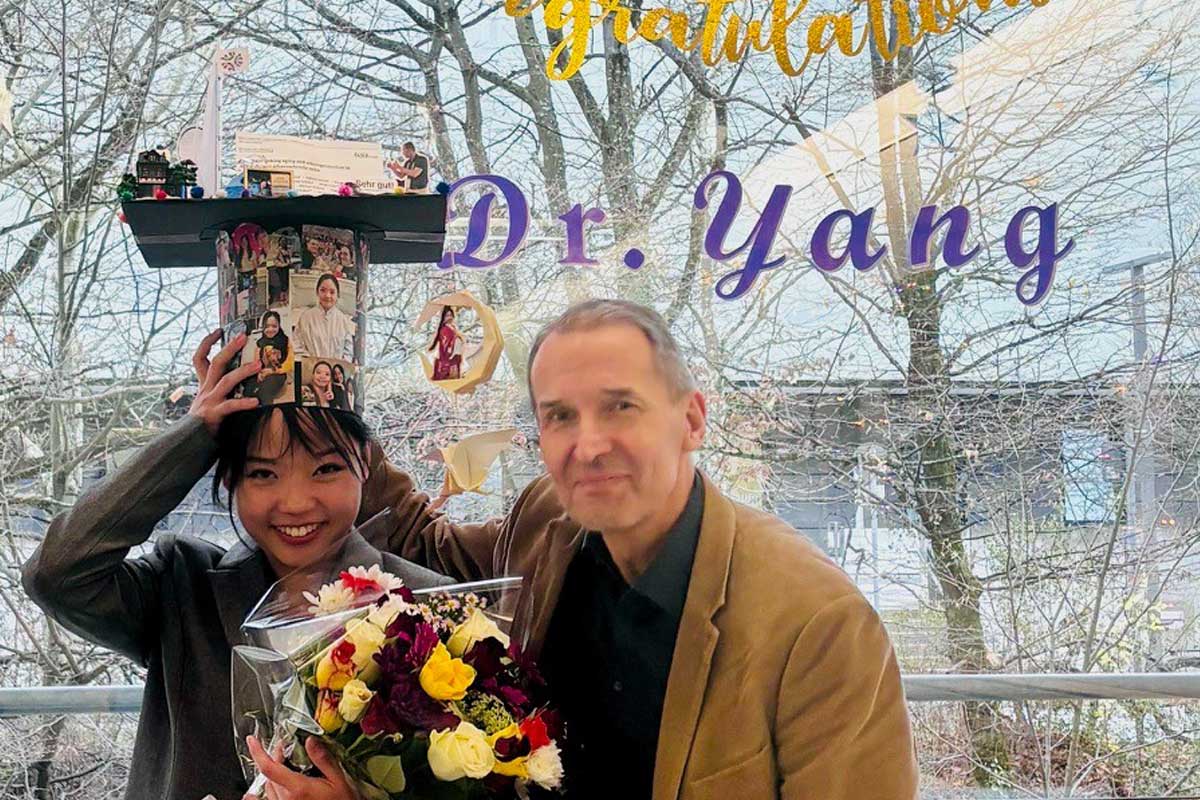
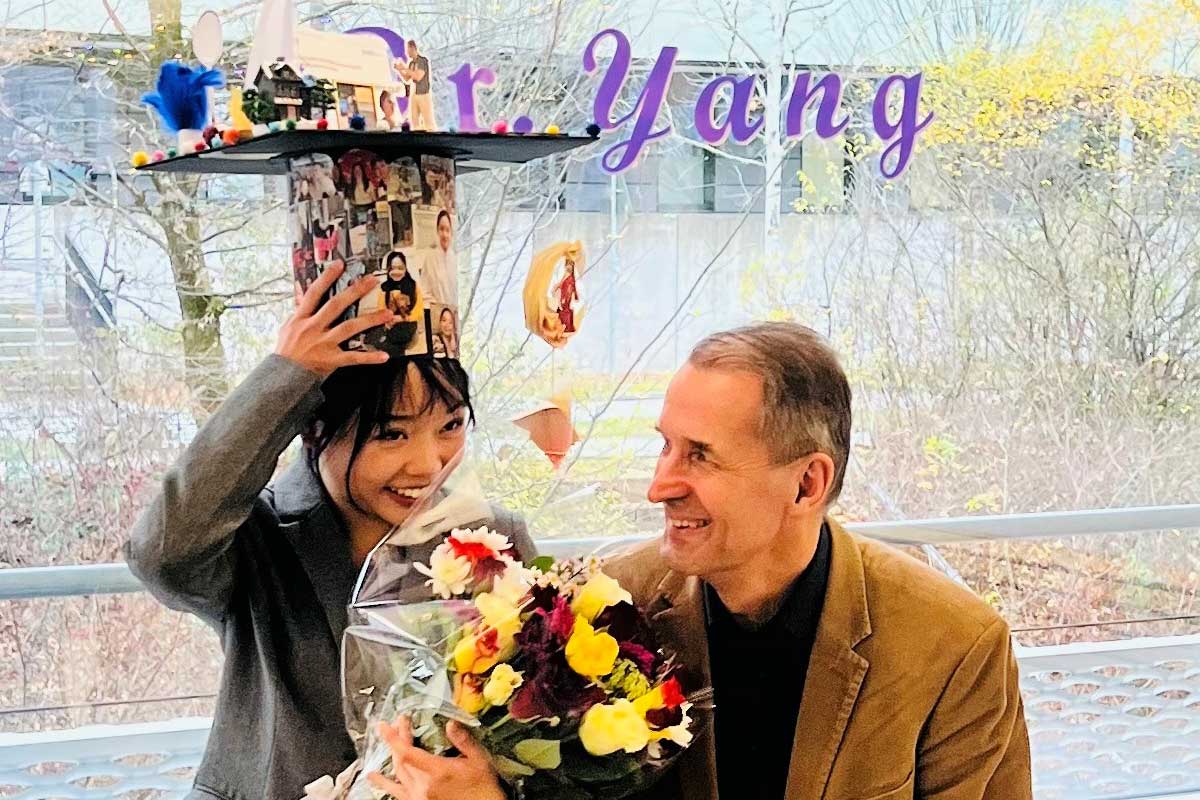
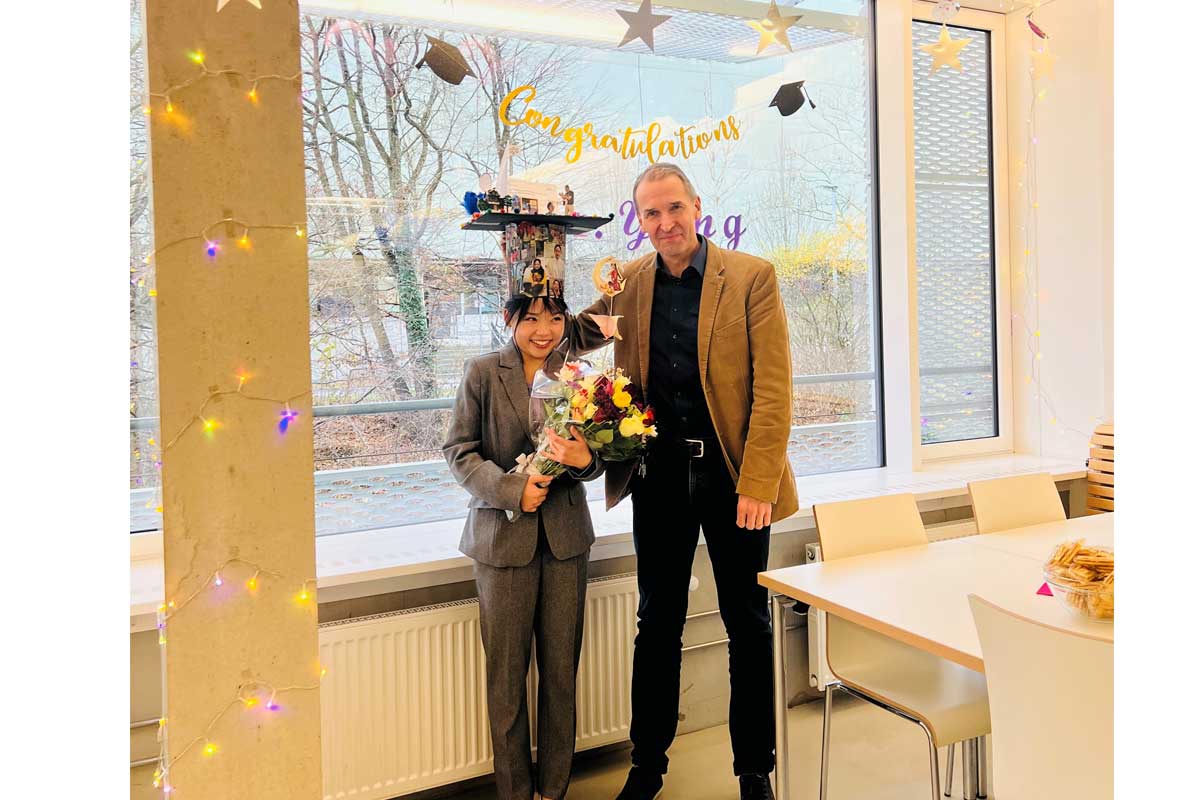
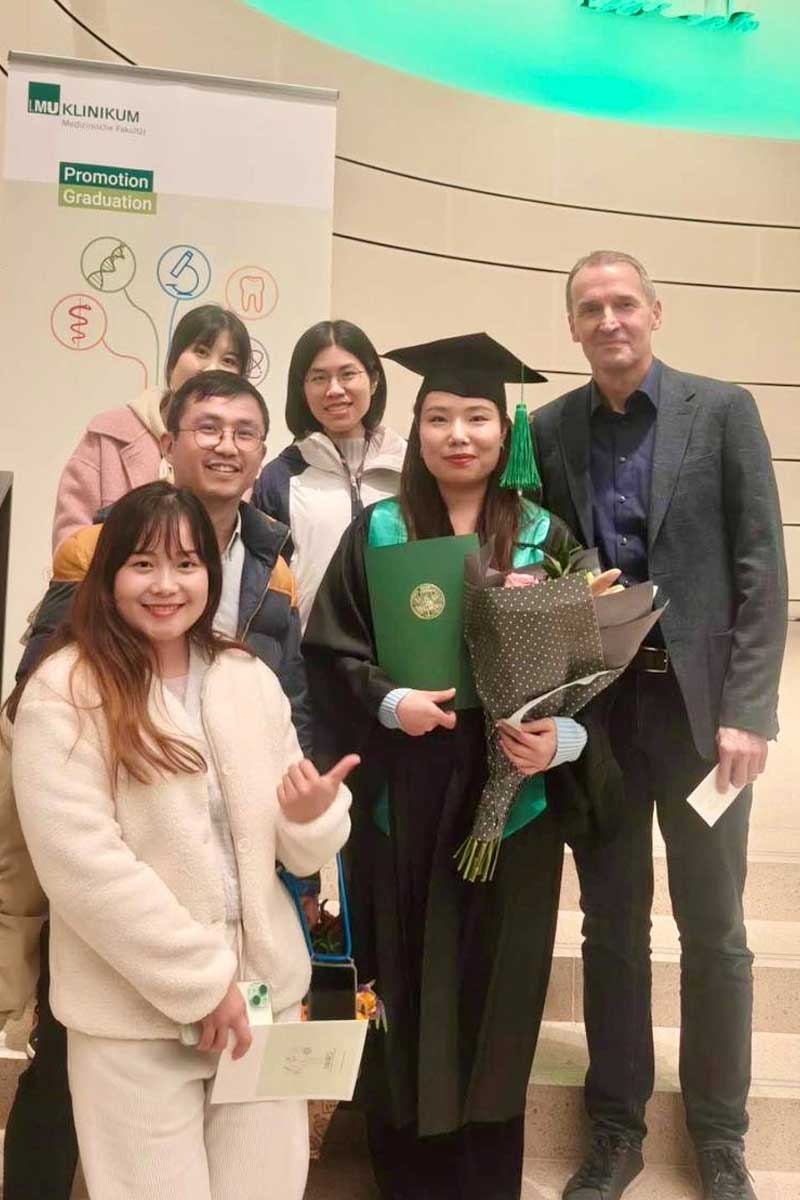
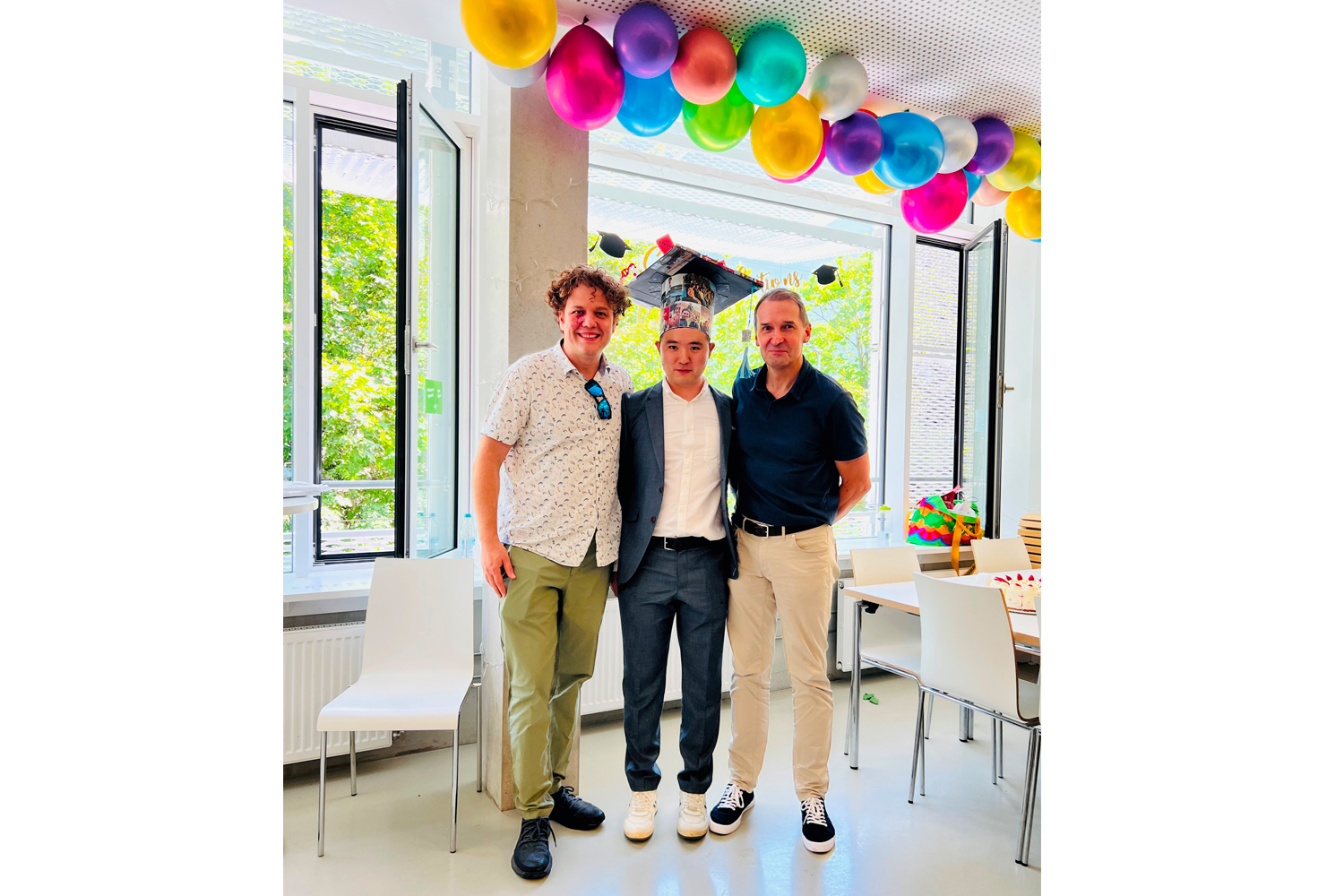
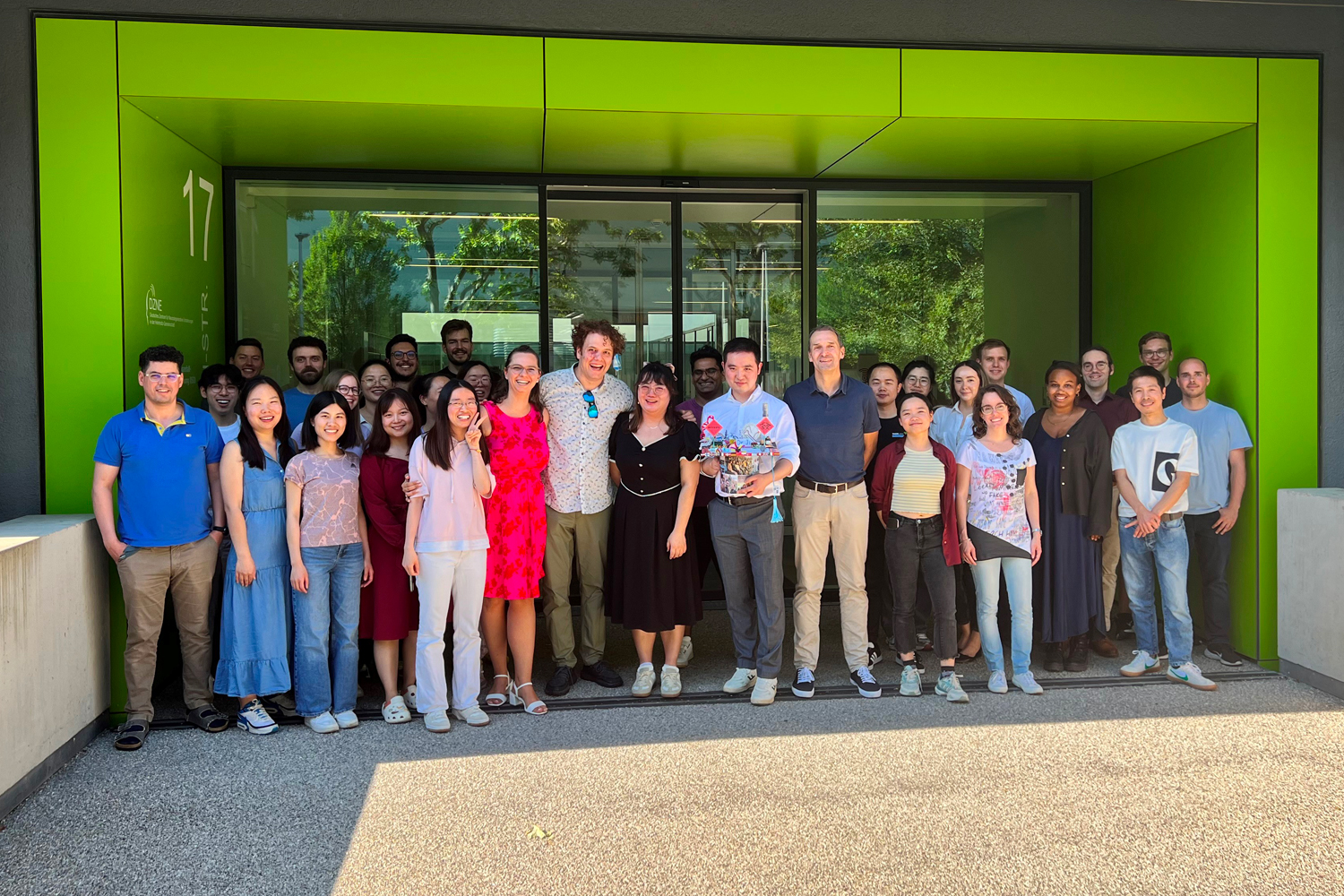
November 2025 – Congratulations to Bishan Yang for successfully defending her PhD thesis. Bishan is originally from Foshan, China, and holds a Master degree in Physiology. She came to the BernhagenLab with a competitive LMU-CSC fellowship and worked in the BernhagenLab towards her PhD over the last 5 years. She also was a member of the prestigious IRTG1123 Graduate School Atherosclerosis at LMU Munich. Bishan completed her PhD thesis entitled “Role of MIF proteins in the late-stage of atherosclerosis”. She was an important member of the lab’s atherosclerosis research team.
Dr. Yang’s work helps to understand basic mechanisms of how aging drives the atherogenic process and how to consider such mechanisms when devising cytokine-based intervention strategies in general, and MIF family-focused approaches in particular, to treat atherosclerosis.
Congratulations – Bishan – excellent work and all the best for your future career in cardiovascular science and medicine!
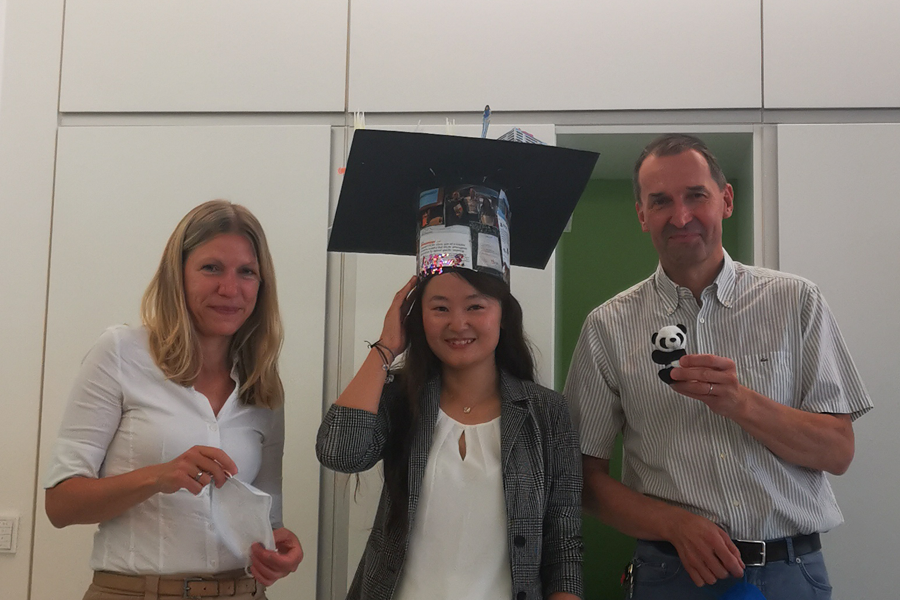
Lin Zhang, MD, successfully defended their PhD thesis
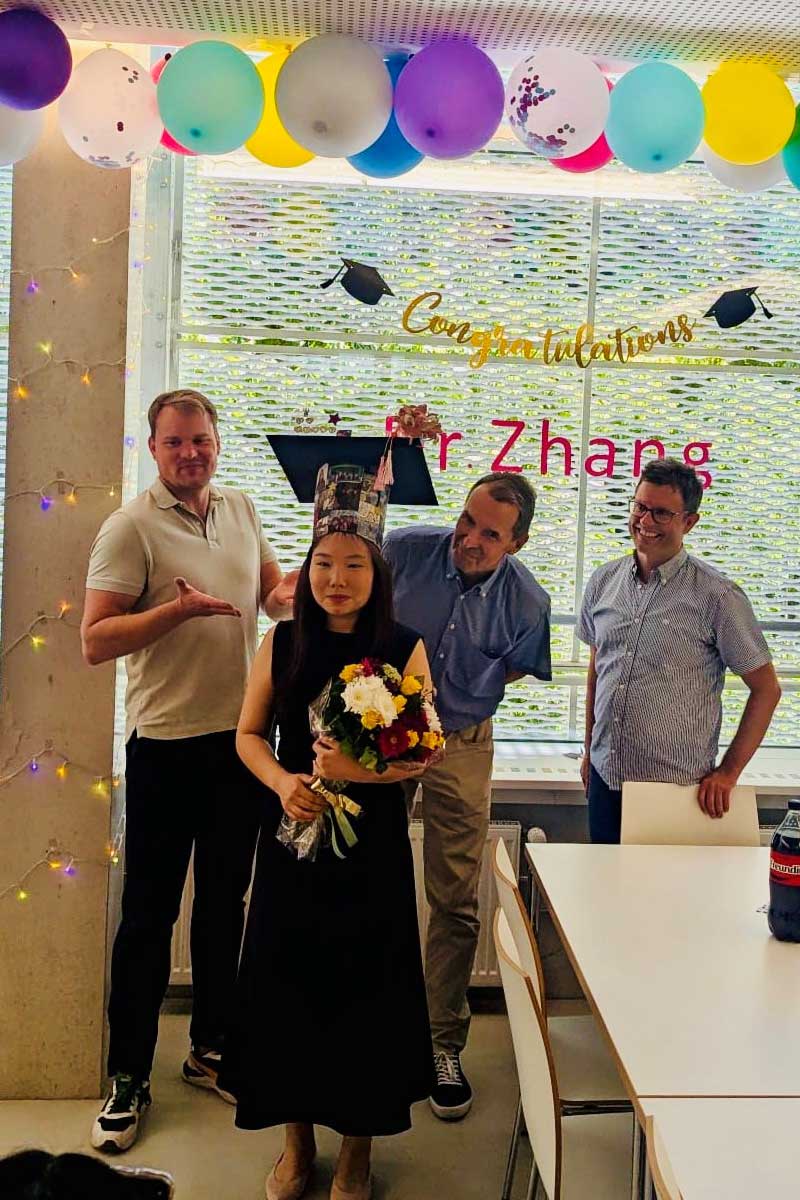
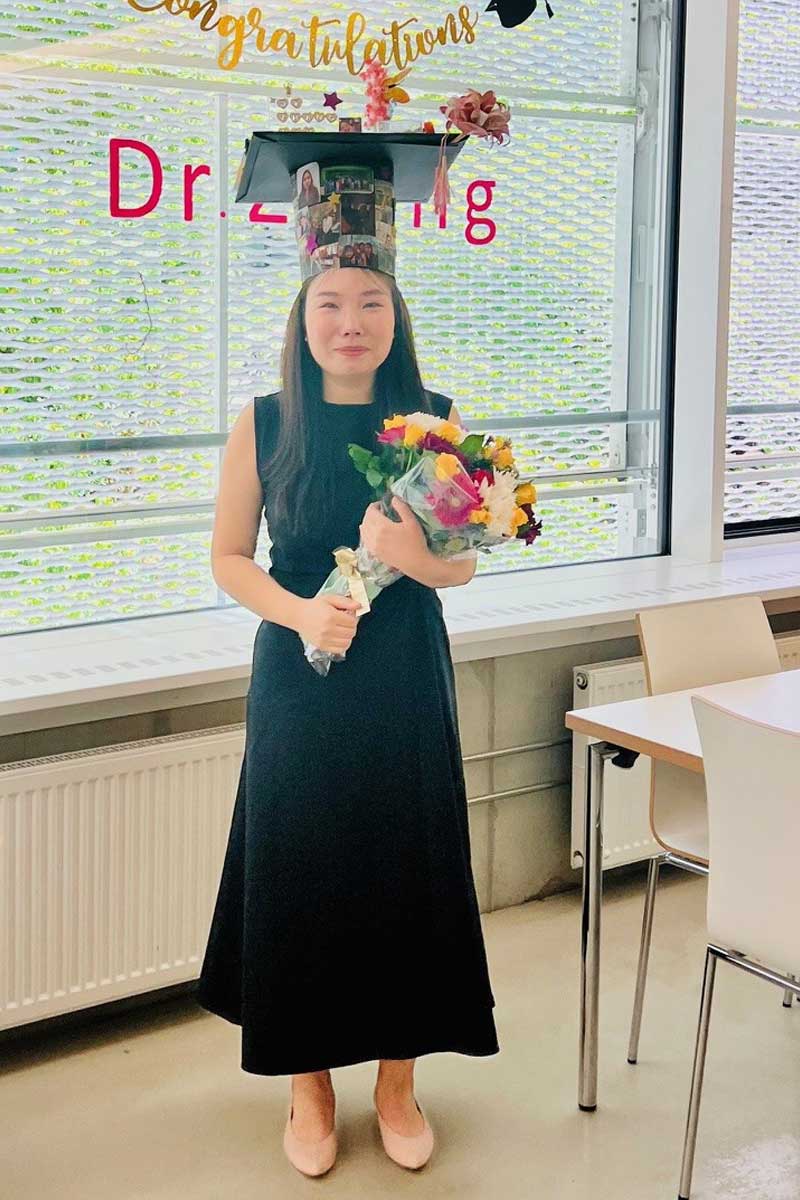
June 2025 –Big congrats to Lin Zhang for successfully defending her PhD thesis. Lin is a member of the BernhagenLab, but worked across labs in collaborative projects with the Department of Anesthesiology at LMU University Hospital. Accordingly, she was co-supervised by Dr. med. Adrian Hoffmann, an anesthesiologist and clinician scientist in the BernhagenLab. Lin completed her doctoral thesis entitled “Unexpected mechanisms of the MIF/receptor network in activated T cells and neutrophils” to obtained her PhD degree. Lin’s thesis topic connected basic research work on T cells, neutrophils and the atypical chemokine MIF with inflammatory mechanisms in acute lung conditions. She also cooperated with the laboratory of Professor Aphrodite Kapurniotu at Technical University of Munich (TUM) to test peptide-based therapeutic candidate molecules in lung disease models. She was a holder of the prestigious CSC fellowship.
Dr. Zhang’s thesis work adds important contributions to the research program of the BernhagenLab and to understanding the pathogenesis of acute inflammatory conditions. She will pursue post-doctoral work in the BernhagenLab to complete her studies and prepare further publications.
Congratulations – Lin - and all the best for your future career!
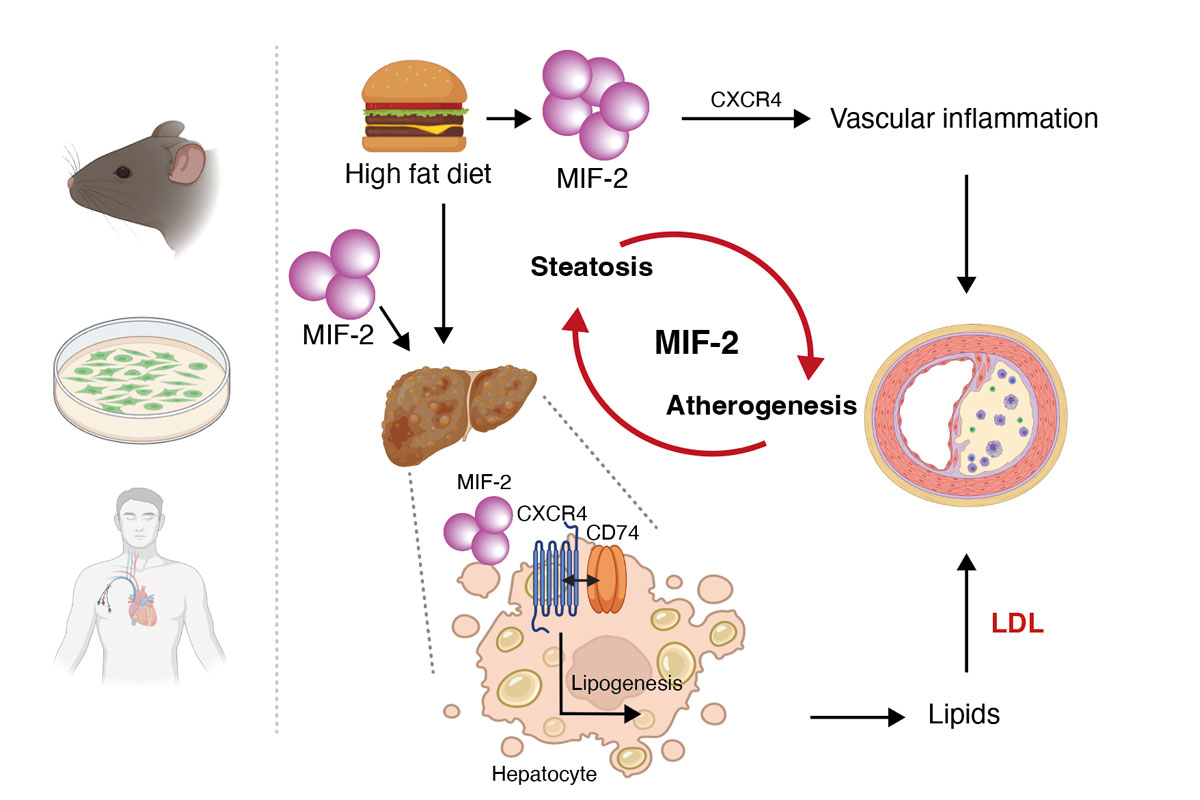
An atypical chemokine that links atherosclerosis and metabolic disease
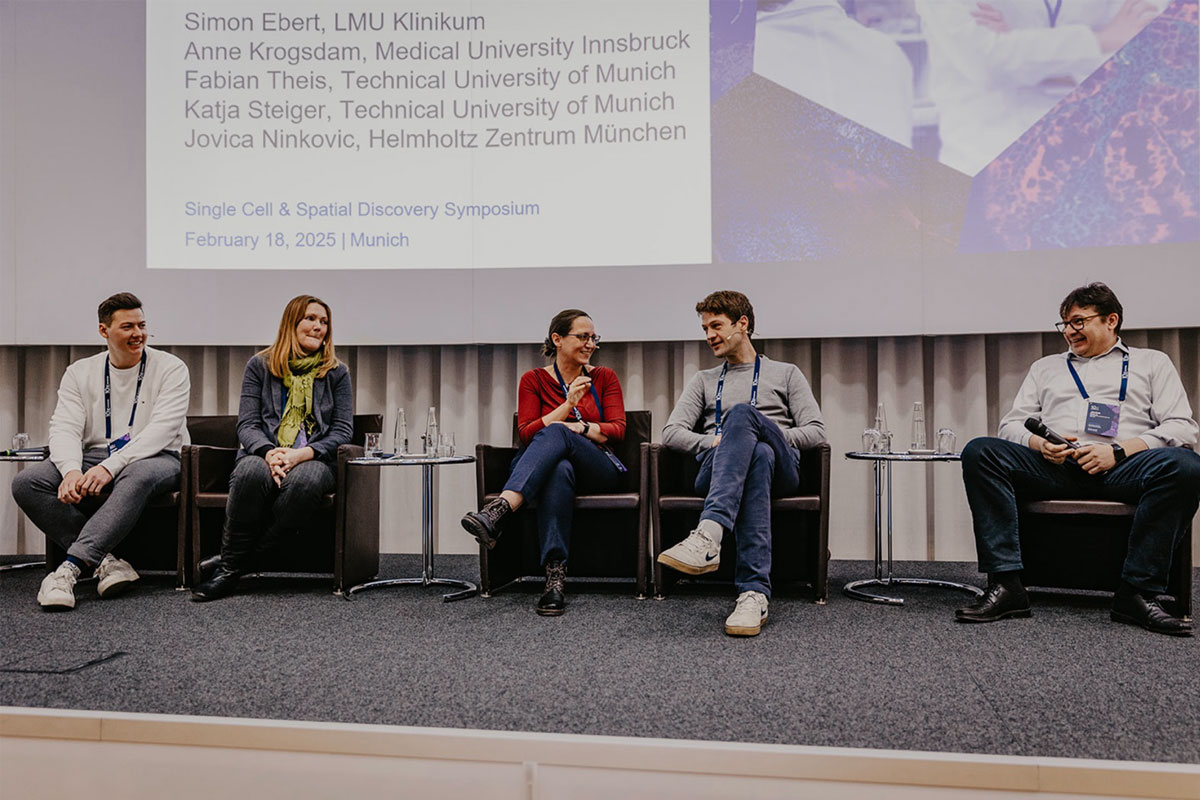
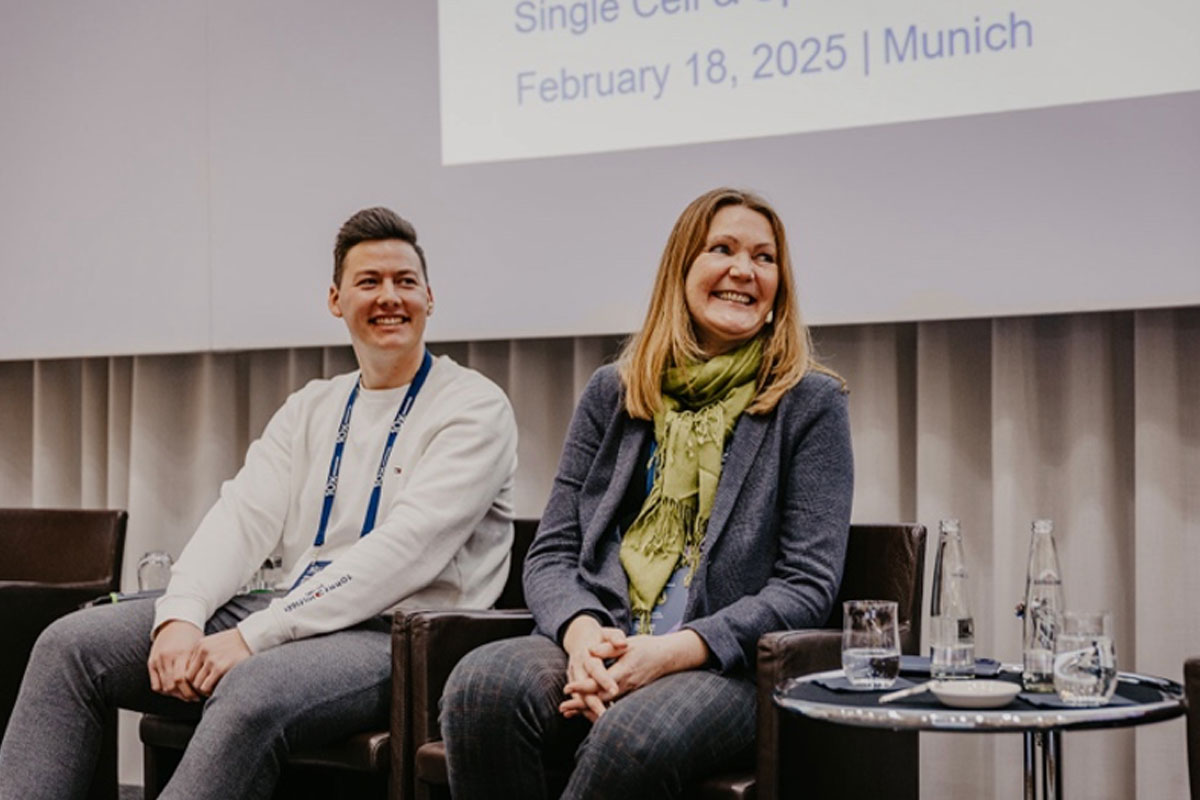
Simon Ebert Participates the Expert Panel of the Munich Single Cell & Spatial Discovery Symposium
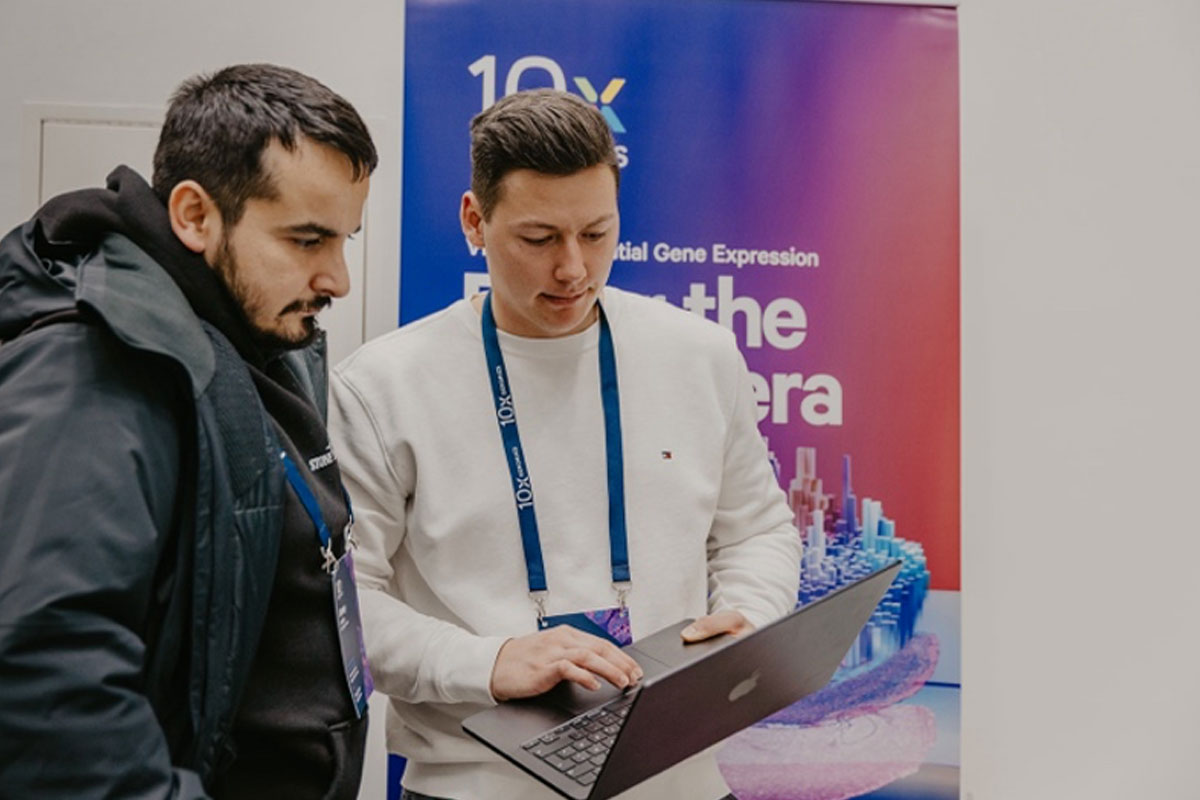
February 2025 – Simon Ebert, a PhD student from the Bernhagen Lab at the Institute for Stroke and Dementia Research (ISD), was invited by 10x Genomics to join the Expert Panel at the Munich Single Cell & Spatial Discovery Symposium. This prestigious event brought together leading researchers and industry experts from 10x Genomics to discuss the future of single-cell and spatial genomics and its transformative impact on biomedical research.
The panel discussion was moderated by Martin Seifert (Sr. Science & Technology Advisor, 10x Genomics) and featured Anne Krogsdam (Head of MultiOmics-Sequencing Core Facility, Medical University Innsbruck), Katja Steiger (Head of Comparative Experimental Pathology, Technical University of Munich), Jovica Ninkovic (Professor, LMU Munich & Director of the Research Unit, Helmholtz Zentrum München), Fabian Theis (Professor, Technical University of Munich), and Simon Ebert (PhD Student, AG Bernhagen, ISD, LMU University Hospital).
Simon contributed insights on cutting-edge single-cell and spatial transcriptomics technologies, emphasizing their role in disease research and precision medicine. The discussion highlighted breakthroughs in multiomics, computational biology, and spatial transcriptomics, offering new perspectives on how these approaches are shaping the future of biomedical research.
The symposium served as a vital platform for scientific exchange, fostering collaborations between academia and industry. We thank 10x Genomics for organizing this outstanding event and for their dedication to driving innovation in the field of genomics.
We are proud of Simon’s participation in this important discussion and look forward to the continued impact of his research on cardiovascular disease in the Bernhagen Lab!
For more information, visit 10x Genomics and check out their latest news here.

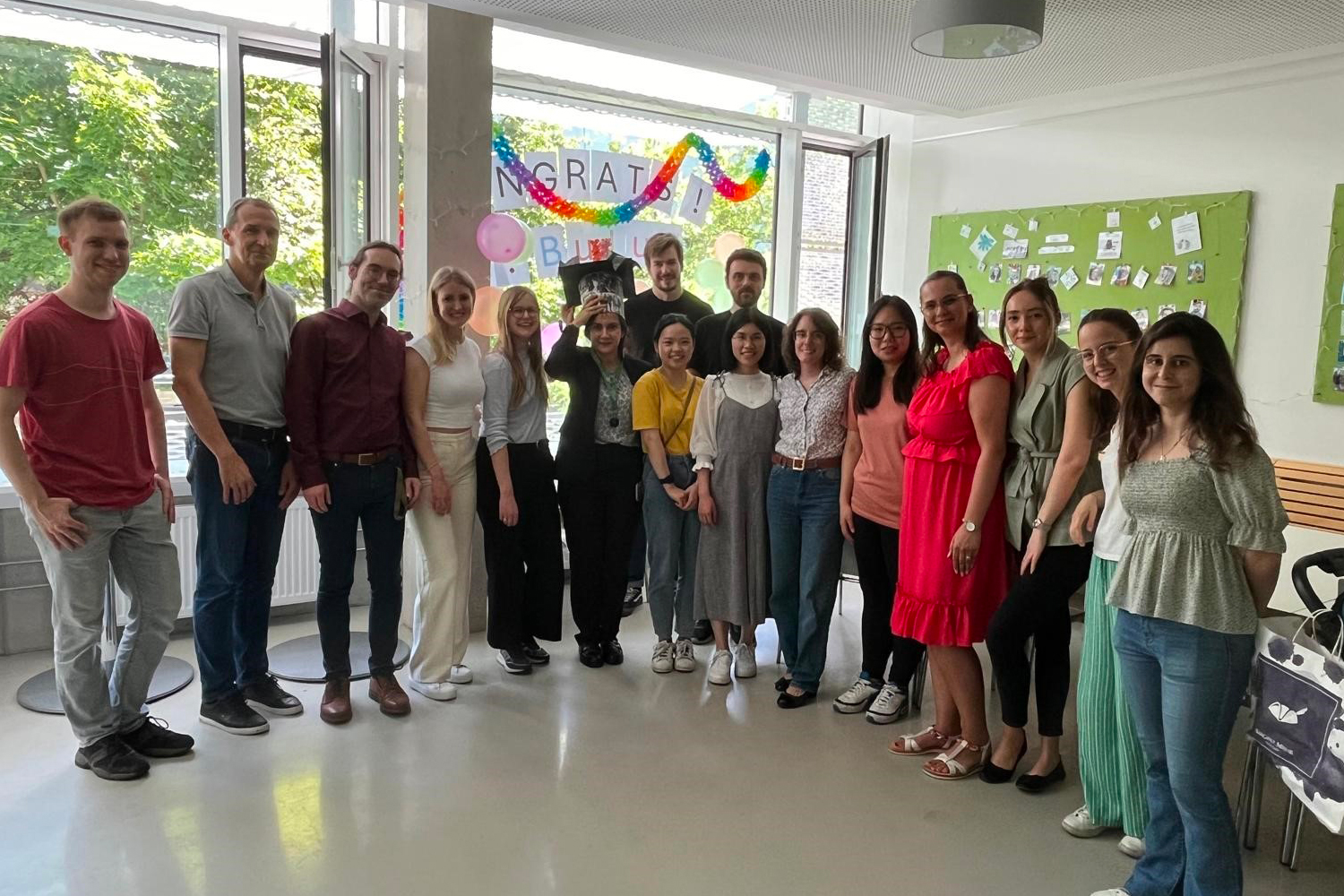
Buket Bulut & Hao Ji successfully defended their doctoral theses
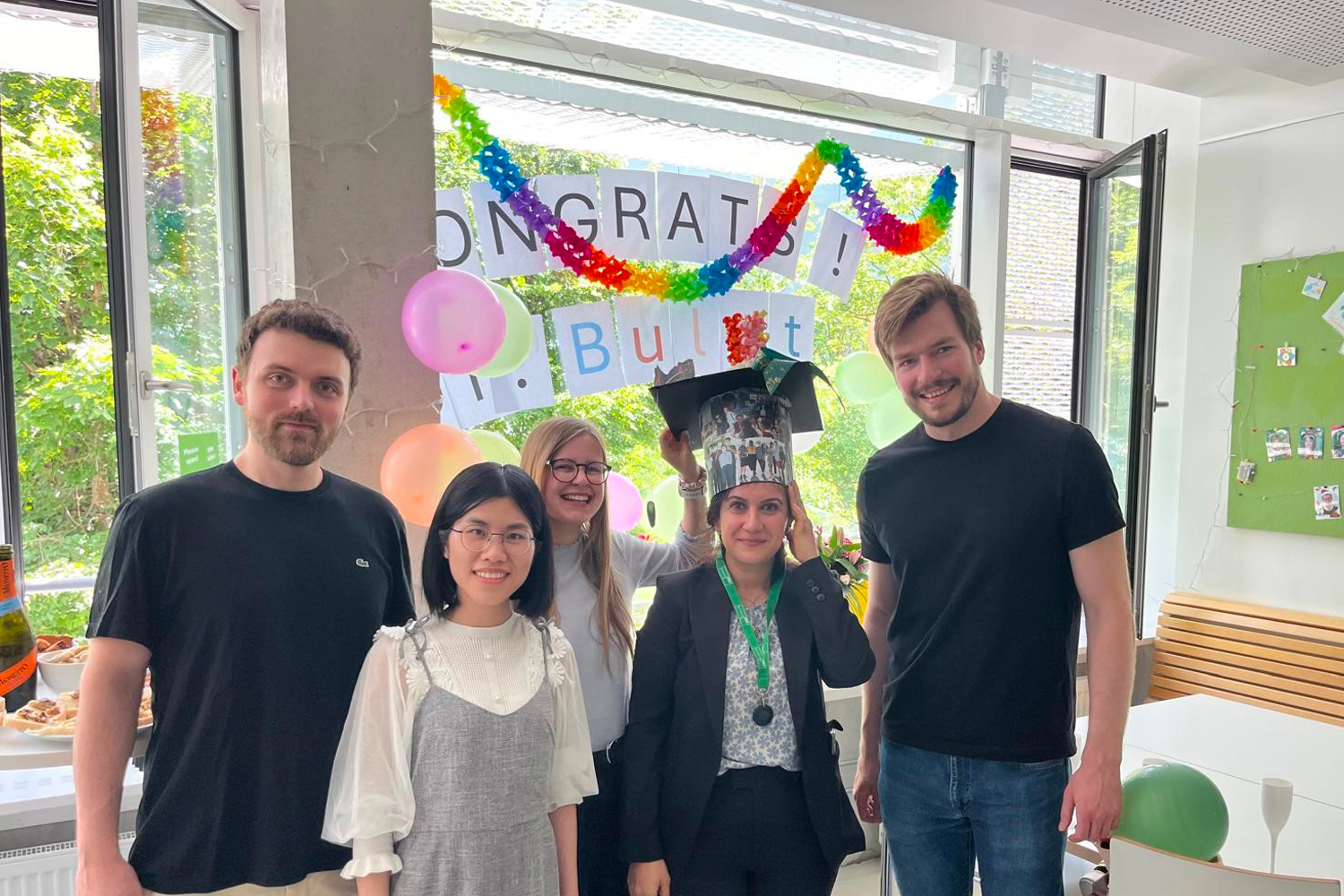
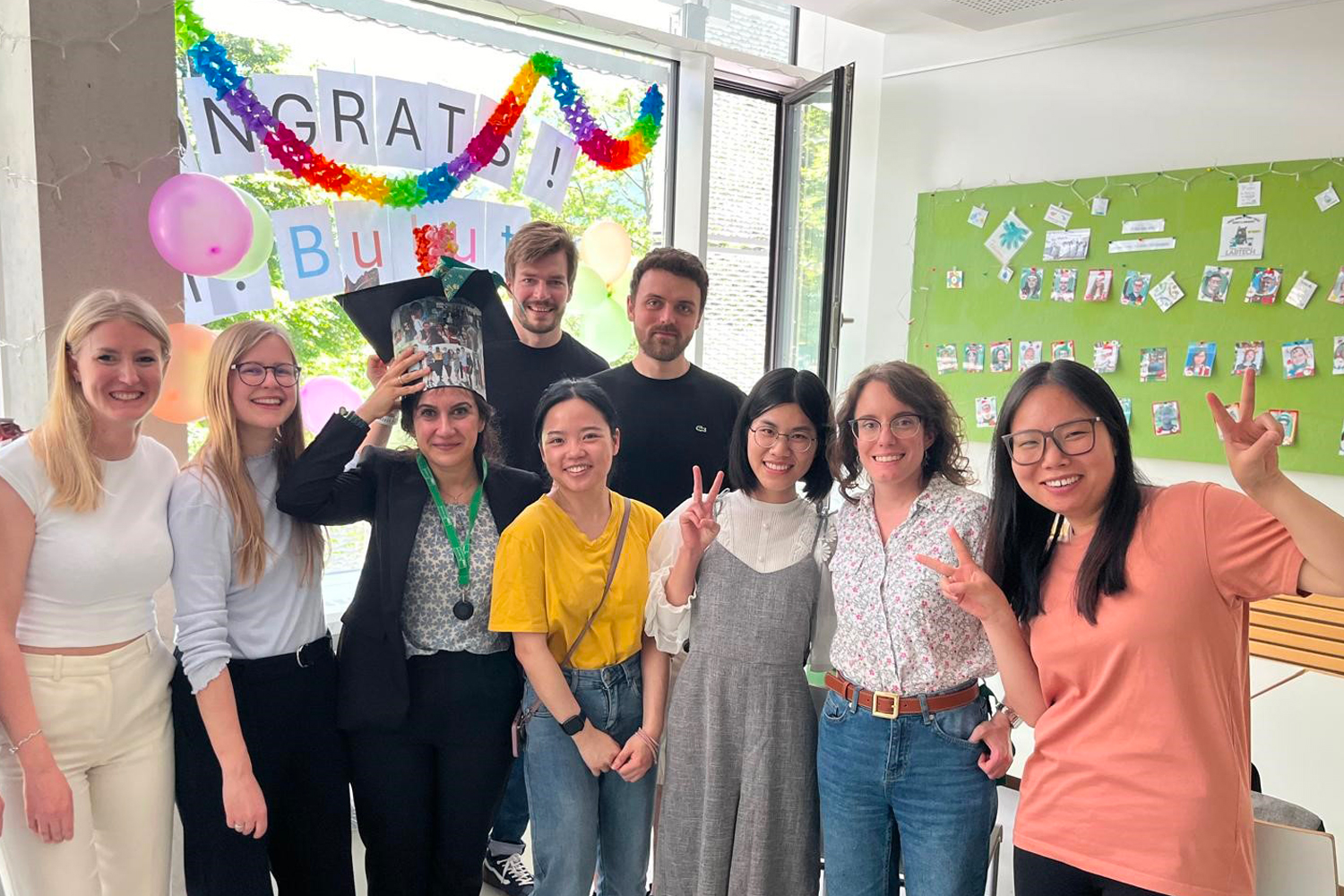
June/July 2024 – Congratulations to Buket Bulut and Hao Ji for successfully defending their doctoral theses. Both Buket and Hao were members of the lab of Prof. Ozgun Gokce (ISD: 2016-2023; University of Bonn: > 4/2023, but actually worked across labs on collaborative projects of the Gokce and Bernhagen labs. Buket completed a doctoral thesis entitled “Investigating the nuclease activity of MIF and MIF-2 and their effects on DNA damage” and obtained a Dr. rer. nat. degree. Hao was a holder of a prestigious LMU-CSC fellowship between 2018 and 2022, completed his thesis entitled “Evaluating the therapeutic effects of a peptide-based inhibitor of amyloid aggregation in mouse models of Alzheimer's disease”, and earned a PhD degree.
Their thesis work added important contributions to the research programs of both the Gokce and Bernhagen labs, as well as to that of the lab of Prof. Aphrodite Kapurniotu at TUM, a collaborator on Hao’s project. Congratulations to both of you and all the best for your next career steps.
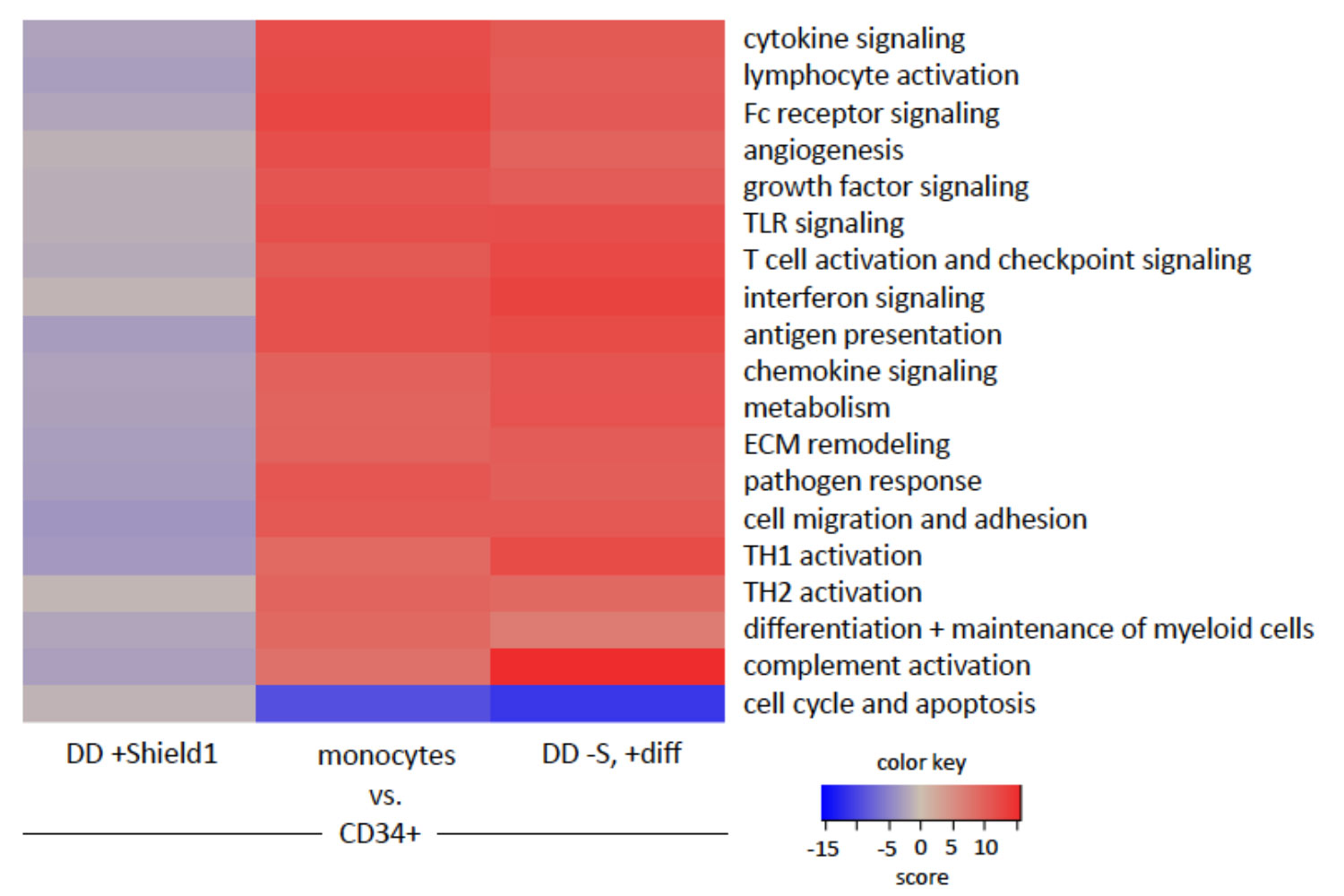
New protein/cell engineering approach enables large-scale ex vivo production of functional human phagocytes
June 2024 – The Bernhagen Lab contributed to a study led by the Division of Transfusion Medicine, Cell Therapeutics and Haemostaseology at LMU University Hospital, demonstrating that an engineered protein, as a single factor, is useful for large-scale ex vivo production of human phagocytes. These phagocytes exhibit human monocyte-like signatures (see Figure) indicating the potential of the method to produce functional immune cells for various experimental cell-based approaches.
The study just appeared in the June issue of the Proc Natl Acad Sci USA
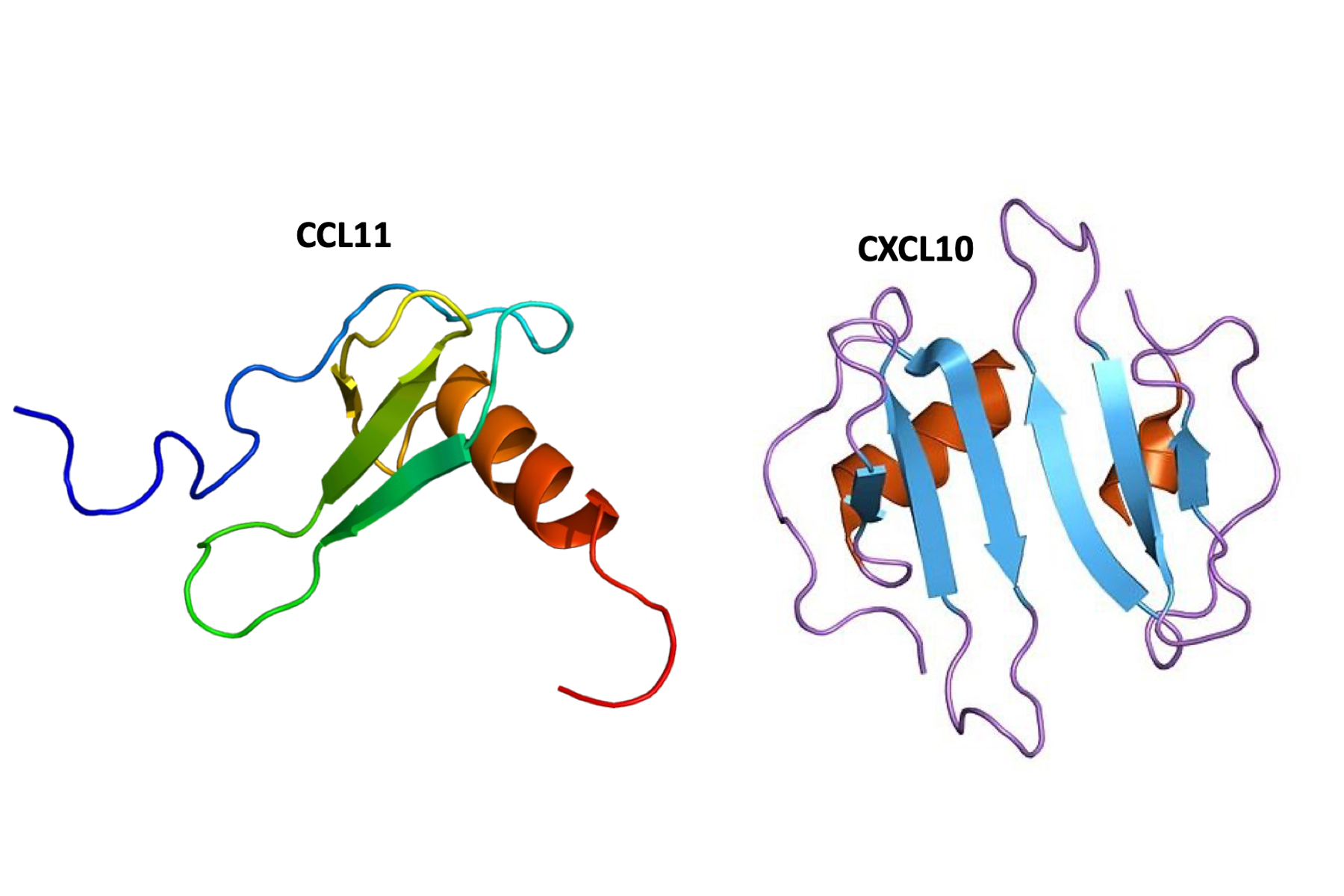
Structures of the CC chemokine CCL11 (aka eotaxin-1) and CXCL10 (aka IP10). Structures adapted from Wikipedia.
Important pathogenic roles unraveled for chemokine pathways in cardiovascular and immune diseases
June 2024 – The Bernhagen Lab contributed to two recent chemokine studies uncovering important roles for certain CC and CXC chemokine pathways in immunologic and cardiovascular diseases, respectively. In one study, led by the Sperandio Lab at LMU, eosinophil recruitment via the CCL11/CCR3 chemokine axis was demonstrated to be regulated by the sialyltransferase ST3Gal-IV. The findings have significance for diseases such as certain allergic and immune diseases, in which unwanted eosinophil infiltration plays a role. In the second study, led by the Georgakis Lab at the ISD, proteogenomic data integration uncovered the interferon-γ-inducible chemokine CXCL10 (aka IP-10) as a downstream mediator for IL-6 signaling on atherosclerosis in three vascular compartments. The results indicate that the CXCL10 axis could be a future drug target for atheroprotection.
The work was published in the renowned journals Proc Natl Acad Sci USA and Circulation, respectively.
Sabrina Reichl successfully defends her MD thesis
December 2023 – Sabrina Reichl was a participant in the prestigious FöFoLe MD thesis program. With her thesis project The atypical chemokine MIF and B lymphocytes in atherosclerosis: emerging molecular and cellular links”, Sabrina significantly contributed to our research line on links between chemokines, aging, and atherosclerosis. Sabrina just successfully defended her MD thesis. Congratulations, Sabrina, to a very nice thesis and valuable contributions to our research. All the best for your future career track!
Influence by Imitation
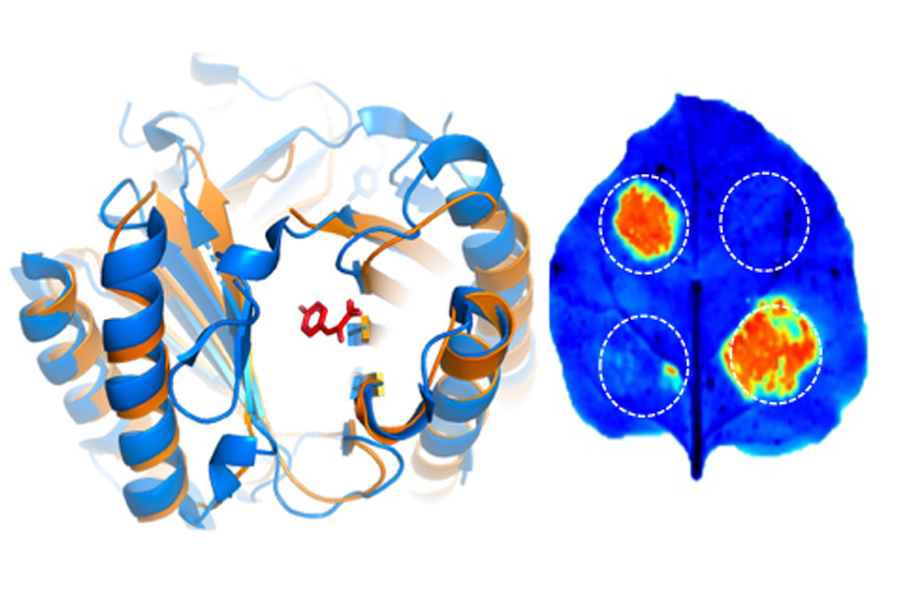
November 2023 – A study led by the BernhagenLab together with collaborators from RWTH Aachen University and Yale University shows that certain plant proteins resemble human signaling proteins of the immune system and can bind to their receptors. (https://www.lmu.de/en/newsroom/news-overview/news/plant-proteins-influence-by-imitation.html). While on one hand representing basic cross-discipline research, the study may also have potential translational implications in the future, as the receptors and their human cytokine agonist have been shown to be important drivers of atherosclerotic cardiovascular diseases and inflammation. The team also involved cooperation partners from the Max-Planck-Institute for Biochemistry, the SyNergy Cluster, and the Department of Anesthesiology. The study was published in the renowned journal Science Signaling>>
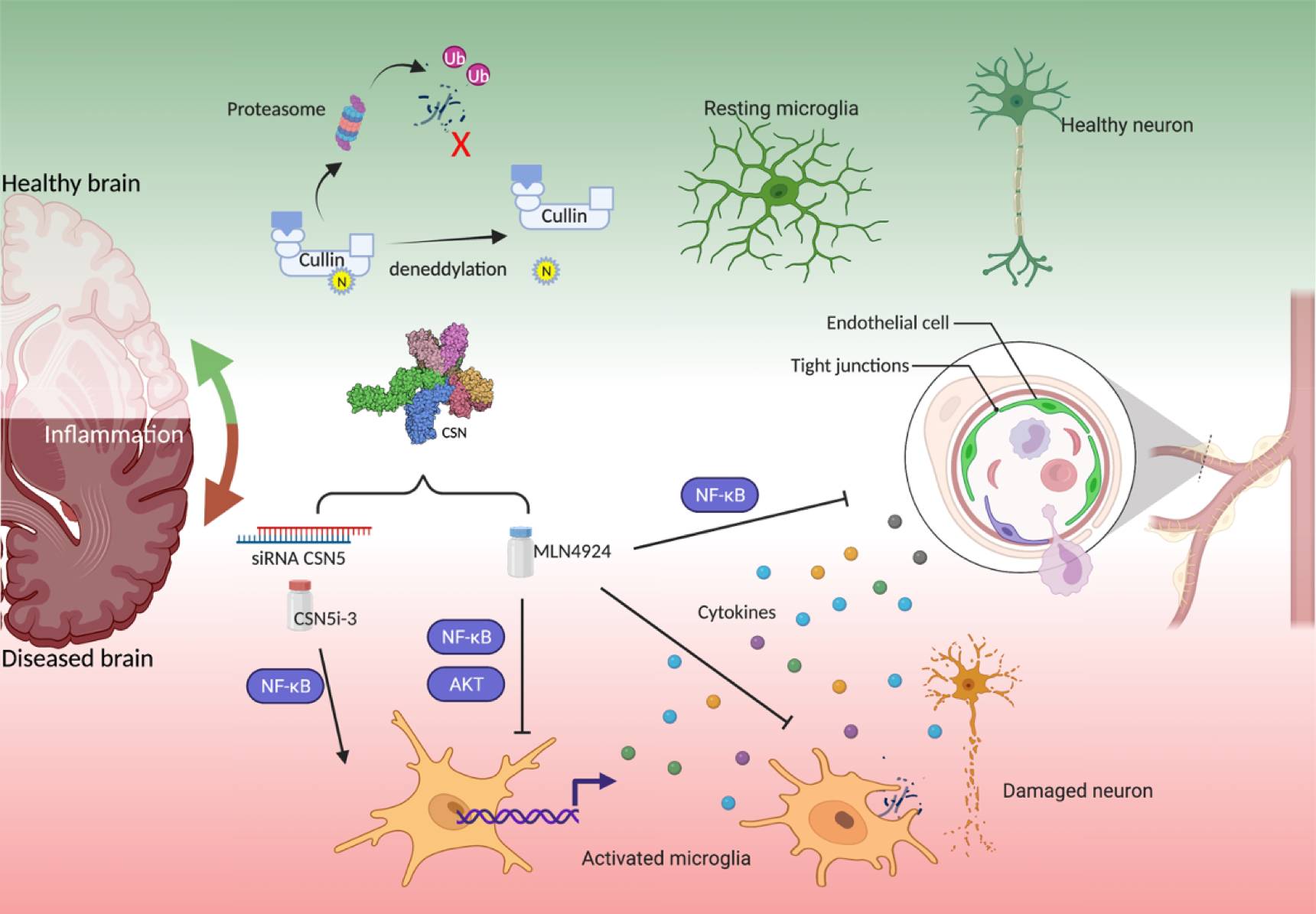
Protective Role of the COP9 Signalosome in Neuroinflammation Uncovered
August 2023 – The COP9 signalosome is a multi-functional protein complex, mainly regulating ubiquitin/proteasome-mediated protein degradation processes. The COP9 and its subunit CSN5 had previously been found to have a protective activity in atherosclerosis by attenuating inflammatory macrophage and endothelial cell responses. The new paper by the BernhagenLab, spear-headed by PhD student Yuan Tian, now shows that the protective role of the COP9 extends to microglial inflammation entailing protection from neuroinflammatory responses. The study was a great collaborative effort together with the Tahirovic Lab at DZNE and the Behrends Lab at SyNergy/LMU. The work was recently published in the journal Cell Mol Life Sci (Tian Y, Milic J, Monasor LS, Chakraborty R, Wang S, Yuan Y, Asare Y, Behrends C, Tahirovic S, Bernhagen J. The COP9 signalosome reduces neuroinflammation and attenuates ischemic neuronal stress in organotypic brain slice culture model. Cell Mol Life Sci. 2023 Aug 19;80(9):262. doi: 10.1007/s00018-023-04911-8.).
Ying Gao successfully defended her doctoral thesis
Oct 2023 – Congratulations to Ying for successfully completing their doctoral thesis entitled “First and Second Generation CXCR4 Peptide Mimics to Block MIF Pathways in Atherosclerosis”, respectively. Ying was a holder of a LMU-CSC fellowship between 2018 and 2022. Her thesis work added important contributions to our CRC1123 and m4 projects. Congratulations also to your 2nd place young investigator award at the 2023 San Servolo cardiovascular research conference. All the best for your next career steps in the US and China.
LMU CAS Fellow at the ISD
April 2023 – Thierry Calandra, Professor of Medicine (University of Lausanne), a renowned infectious disease and MIF expert, was appointed 2023 Visiting Fellow at the LMU Center for Advanced Studies (CAS). During his time in Munich, he will give lectures and pursue an immunology research line with a focus on dendritic cells and MIF hosted by the BernhagenLab at the ISD.
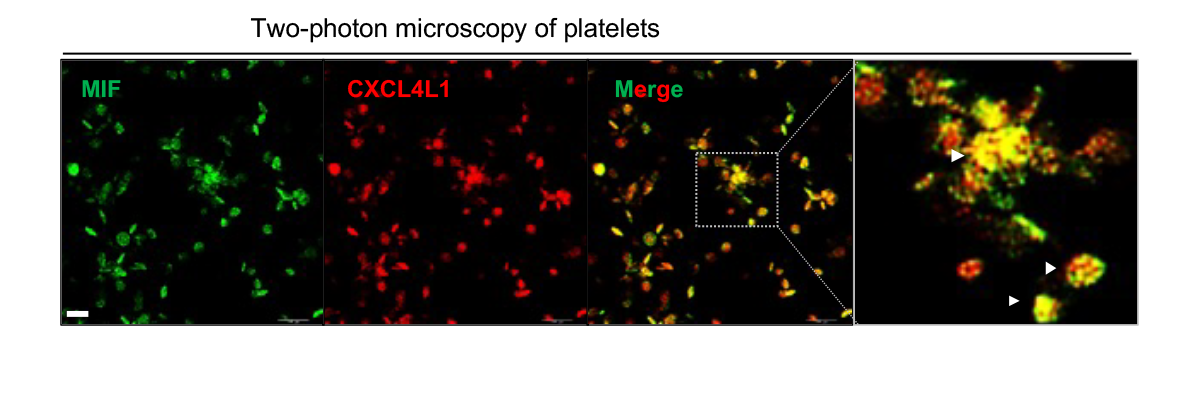
Two-photon microscopy of platelets
New Protein Complex Epitomizes the Atypical Chemokine Interactome
October 2022 – Chemokines are important drivers of the atherosclerotic inflammatory process. They are well known to form homodimers, but have more recently also been found to hetero-dimerize (“the chemokine interactome”). Work by the BernhagenLab performed in the framework of the collaborative research cluster CRC1123 Atherosclerosis together with collaborators from the Institute of Cardiovascular Prevention (IPEK) at LMU (P. von Hundelhausen and team), the Kapurniotu Lab and Mägdefessel Lab at TUM, and cooperation partners from the University of Maastricht, the Department of Vascular Surgery at LMU, the University of Tübingen, and the University of Minnesota, now demonstrates that the atypical chemokine MIF can form a complex with the classical platelet chemokine CXCL4L1. Complex formation attenuates the pro-inflammatory and pro-thrombotic activities of MIF, suggesting that such atypical chemokine complexes can serve to fine-tune chemokine functions. Their study will help to better understand regulation networks in inflammatory and atherogenic conditions and potentially to identify new opportunities for intervention. Led by PhD student Markus Brandhofer and clinician scientist Adrian Hoffmann, the work was published in the journal Cell Mol Life Sci (Brandhofer M, Hoffmann A, Blanchet X, Siminkovitch E, Rohlfing AK, El Bounkari O, Nestele JA, Bild A, Kontos C, Hille K, Rohde V, Fröhlich A, Golemi J, Gokce O, Krammer C, Scheiermann P, Tsilimparis N, Sachs N, Kempf WE, Maegdefessel L, Otabil MK, Megens RTA, Ippel H, Koenen RR, Luo J, Engelmann B, Mayo KH, Gawaz M, Kapurniotu A, Weber C, von Hundelshausen P, Bernhagen J. Heterocomplexes between the atypical chemokine MIF and the CXC-motif chemokine CXCL4L1 regulate inflammation and thrombus formation. Cell Mol Life Sci. 2022 Sep 12;79(10):512. doi: 10.1007/s00018-022-04539-0.)
Congratulations to Jelena Milic for a successful defense of her PhD thesis and her new position at BioM
Oct 2022 – Congratulations to Jelena Milic for completing a comprehensive PhD project and for successfully defending her thesis entitled “Role of the COP9 Signalosome in Atherogenic Inflammation”. Jelena did a great job in advancing our COP9 signalosome / atherosclerosis research line and in handling a highly challenging project and numerous collaborations within the CSD and CRC1123. Thank you also for your great efforts as student spokesperson of IRTG1123 and as our lab representative on the Green Initiative of the CSD. At last, congratulations on your new job at BioM. We wish you best of success for your new position as Laboratory Manager MAxL at BioM.
Yuan Tian and Markus Brandhofer successfully defended their doctoral theses
Sept-Oct 2022 – Congratulations to Yuan Tian and Markus Brandhofer, who successfully completed their doctoral theses entitled “Modulation of neuroinflammation and stroke outcome by the COP9 signalosome” and “Interactions between MIF-family proteins and the classical chemokine ligand/receptor network”, respectively. Yuan and Markus have been instrumental members of our team for several years and have made important contributions to several of our research lines and publications. Yuan wrote a full-size PhD script (“monography”), while Markus pursued the prestigious Dr. rer. nat. thesis line and concluded with a cumulative thesis based on three first/co-first authorship publications, accompanied by several flanking co-authorships. Congratulations again to both of you on your degree! We are happy that Markus will stay with us as part of our BioM m4 team SELECKREM, while Yuan has successful acquired a position abroad and is embarking on a postdoctoral scientist track in the UK as a next step in her career. We wish both of them a great start into their new positions.
Congratulations to Chungfang Zan for a successful Phd defense! Well done!
CRC1123 “Atherosclerosis” approved for another 4 years
Jun 2022 – CRC1123 “Atherosclerosis” approved for another 4 years: The Collaborative Research Center CRC1123 “Atherosclerosis - Mechanisms and Networks of Novel Therapeutic Targets” (Speaker: Christian Weber, IPEK, LMU) was awarded a third funding period from the DFG for the years 2022-2026. The cluster encompasses 16 projects, 3 central projects, and a graduate school with a total funding volume of 14.5 mio. €. The ISD scientists Yaw Asare, Jürgen Bernhagen, Martin Dichgans, and Arthur Liesz contribute to 4 projects within the center: A2 (von Hundelshausen/Bernhagen), A3 (Bernhagen/Kapurniotu), B3 (Asare, Dichgans), B11 (Liesz/Sager). J. Bernhagen also is the Vice-Spokesperson of CRC1123. It is the aim of the multidisciplinary basic and clinical research projects in CRC1123 to elucidate the mechanisms and molecular networks driving atherosclerosis and to further the identification of potential therapeutic target candidates. The projects A2 and A3, in which the BernhagenLab is involved, address the roles of chemokines and their receptors in atherosclerosis and seek to identify novel therapeutic target candidates. In project A2, the BernhagenLab supports Philipp von Hundelshausen (IPEK, LMU) in efforts to study “Interactions of chemokines with heterologous effectors in atherosclerosis”. In A3, the BernhagenLab teams up with the peptide biochemistry lab of Aphrodite Kapurniotu at the TUM School of Life Sciences to explore “Differential mechanisms of MIF proteins in atherosclerosis and selective peptide-based strategies for intervention”.
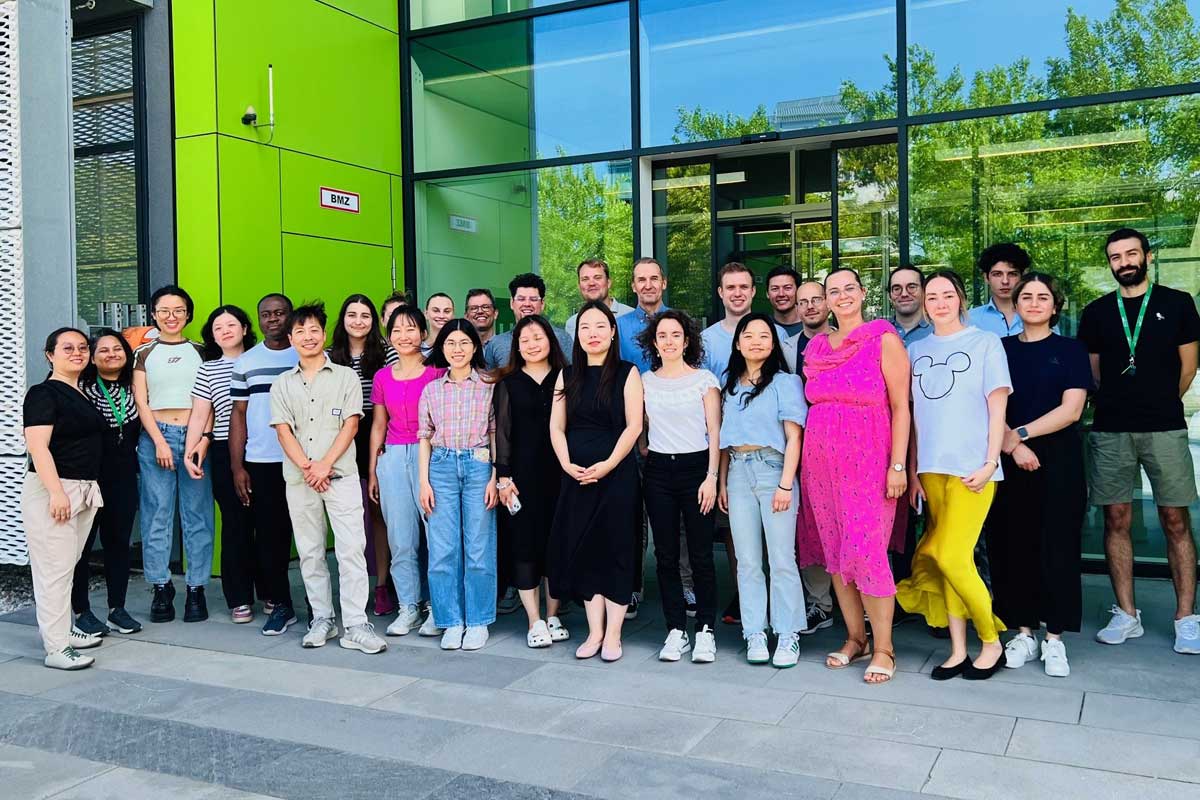
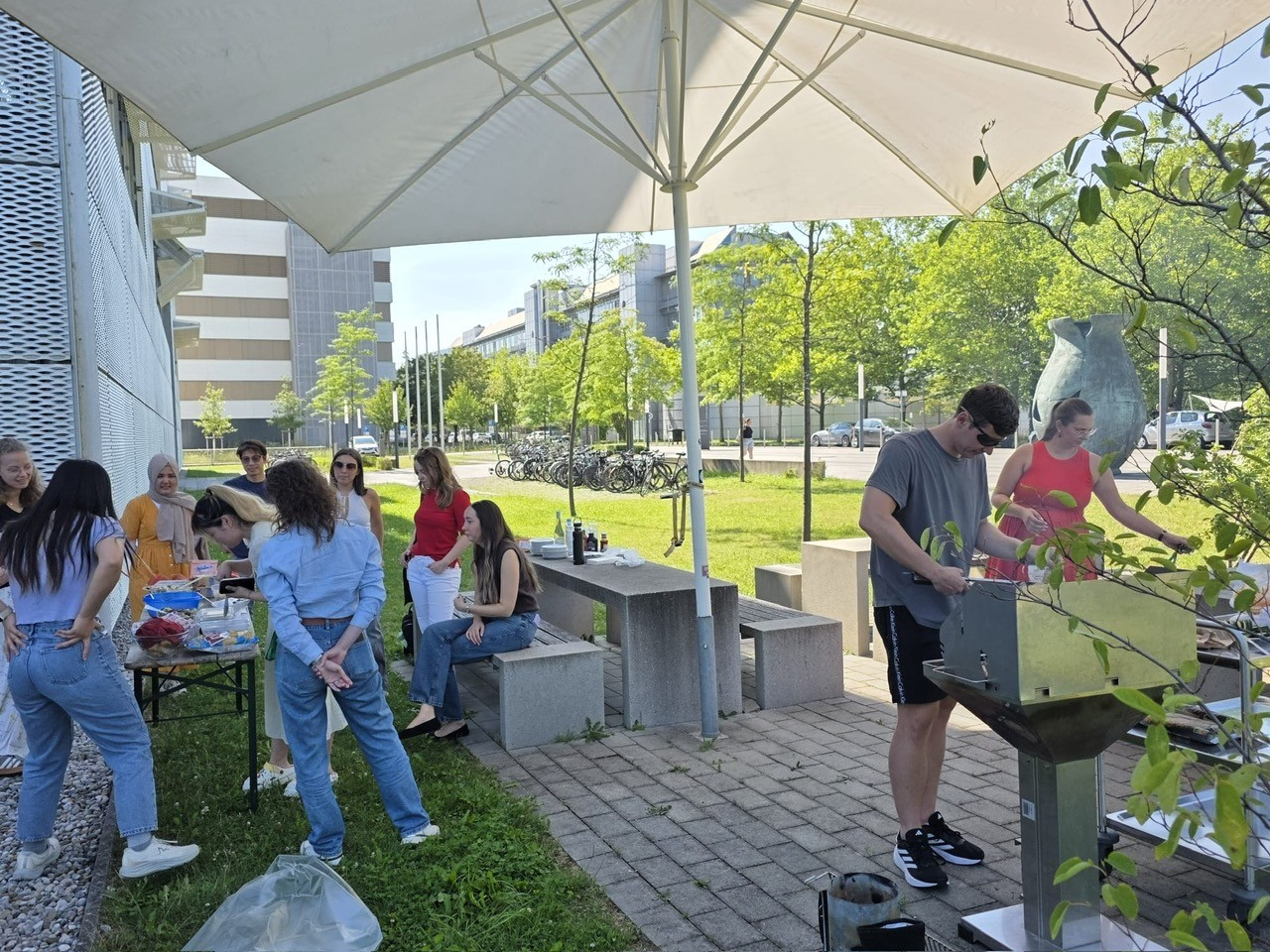
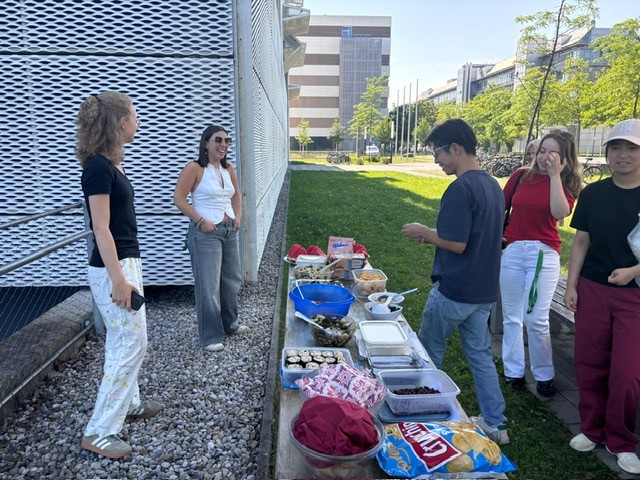
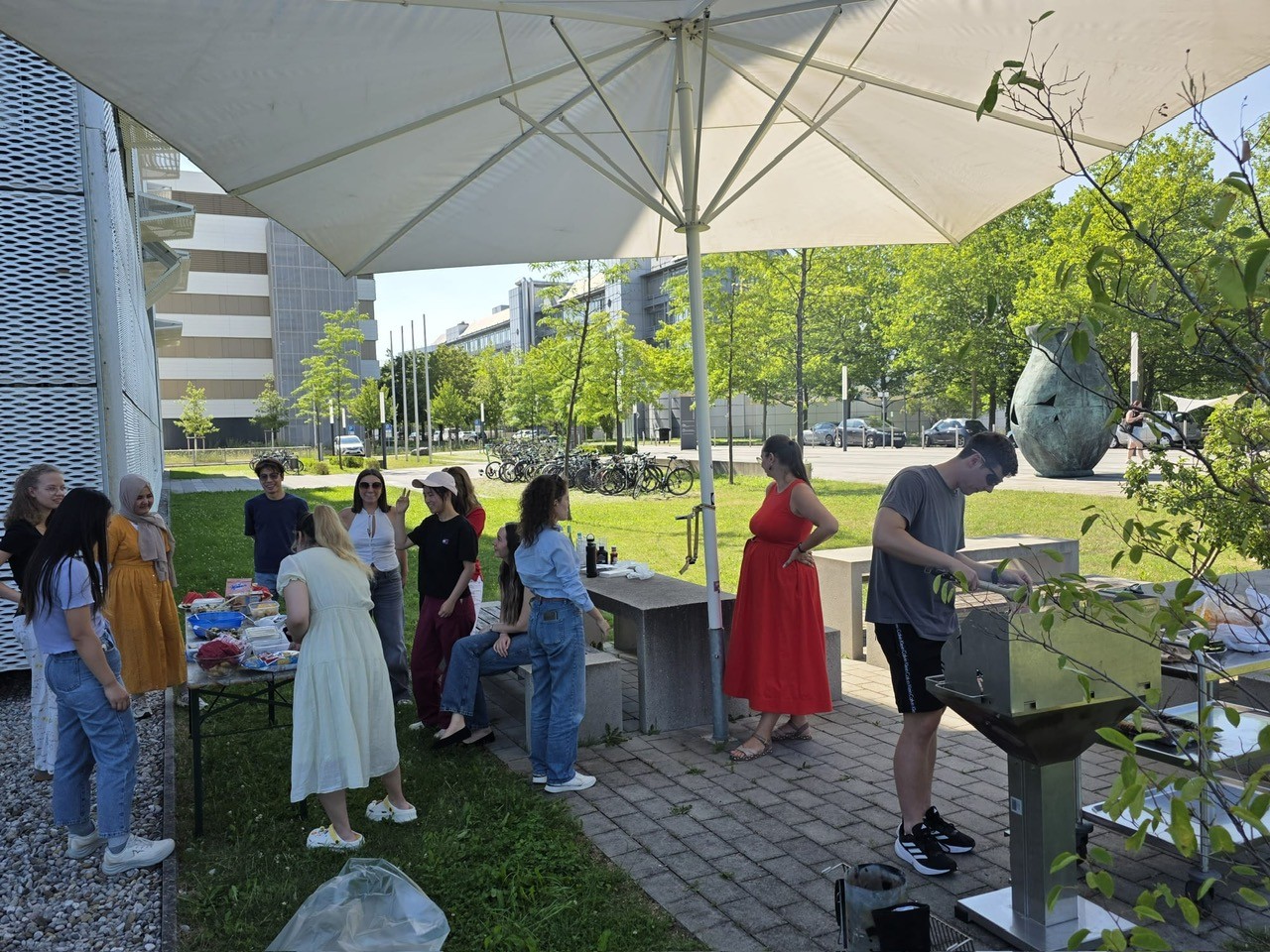
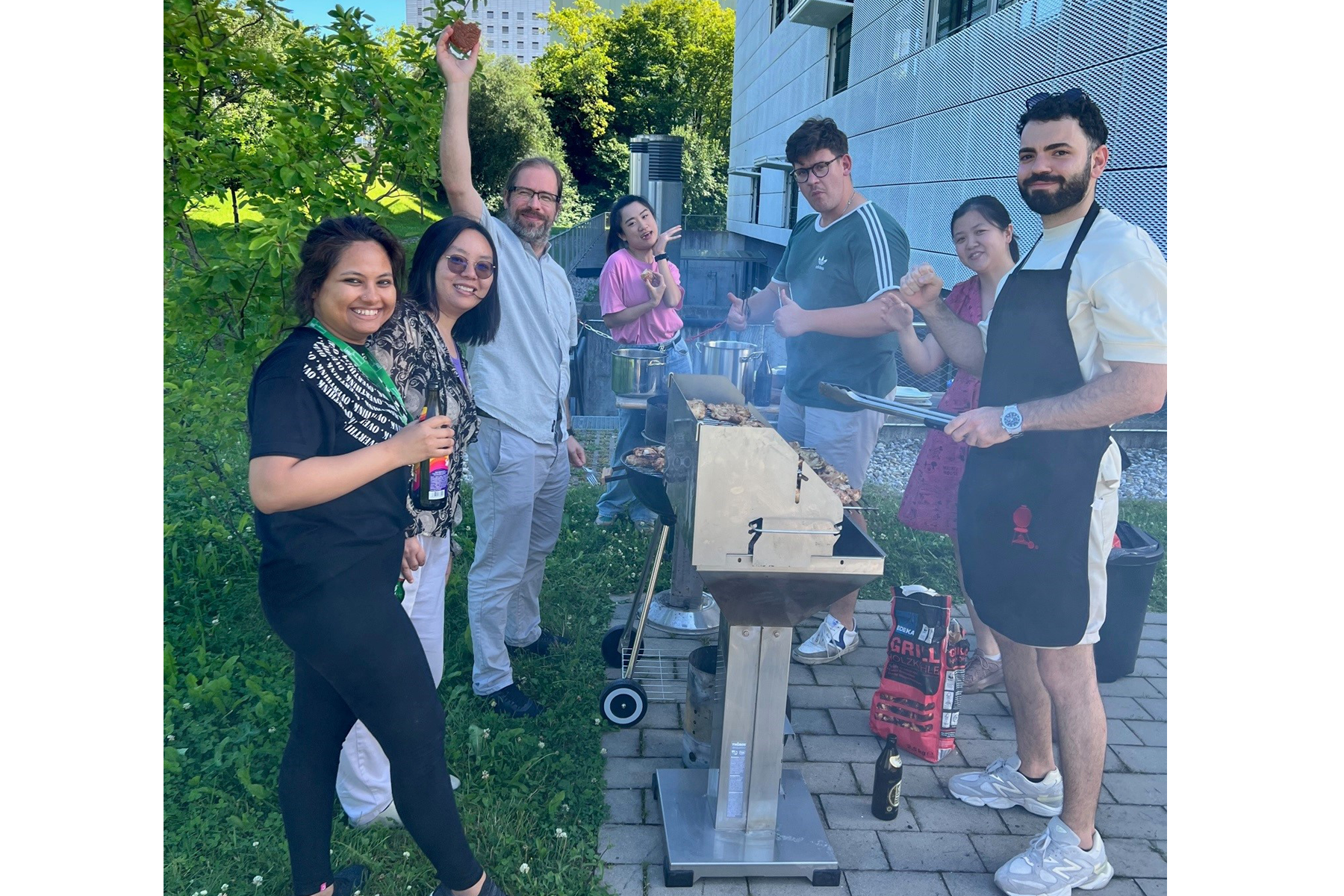
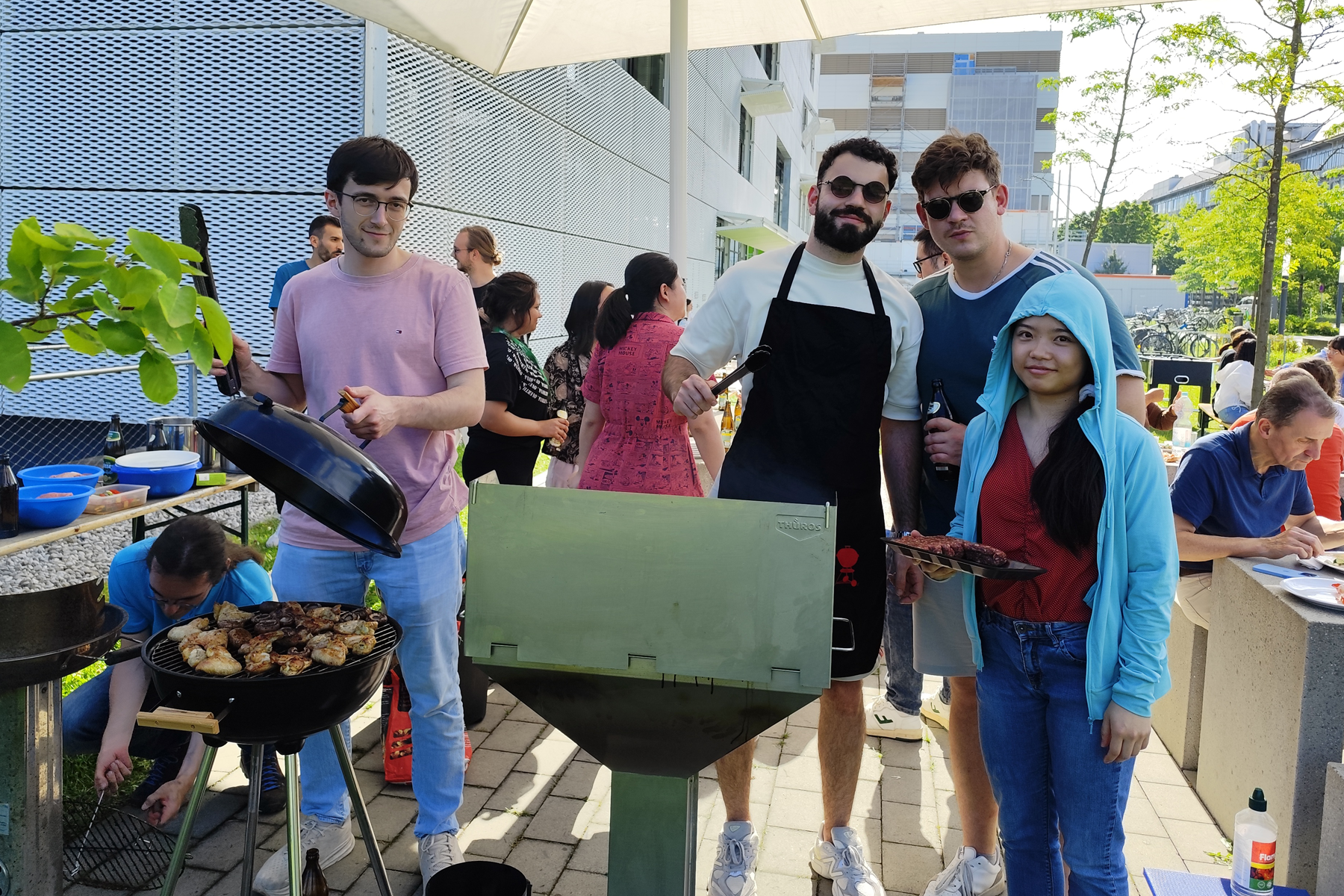
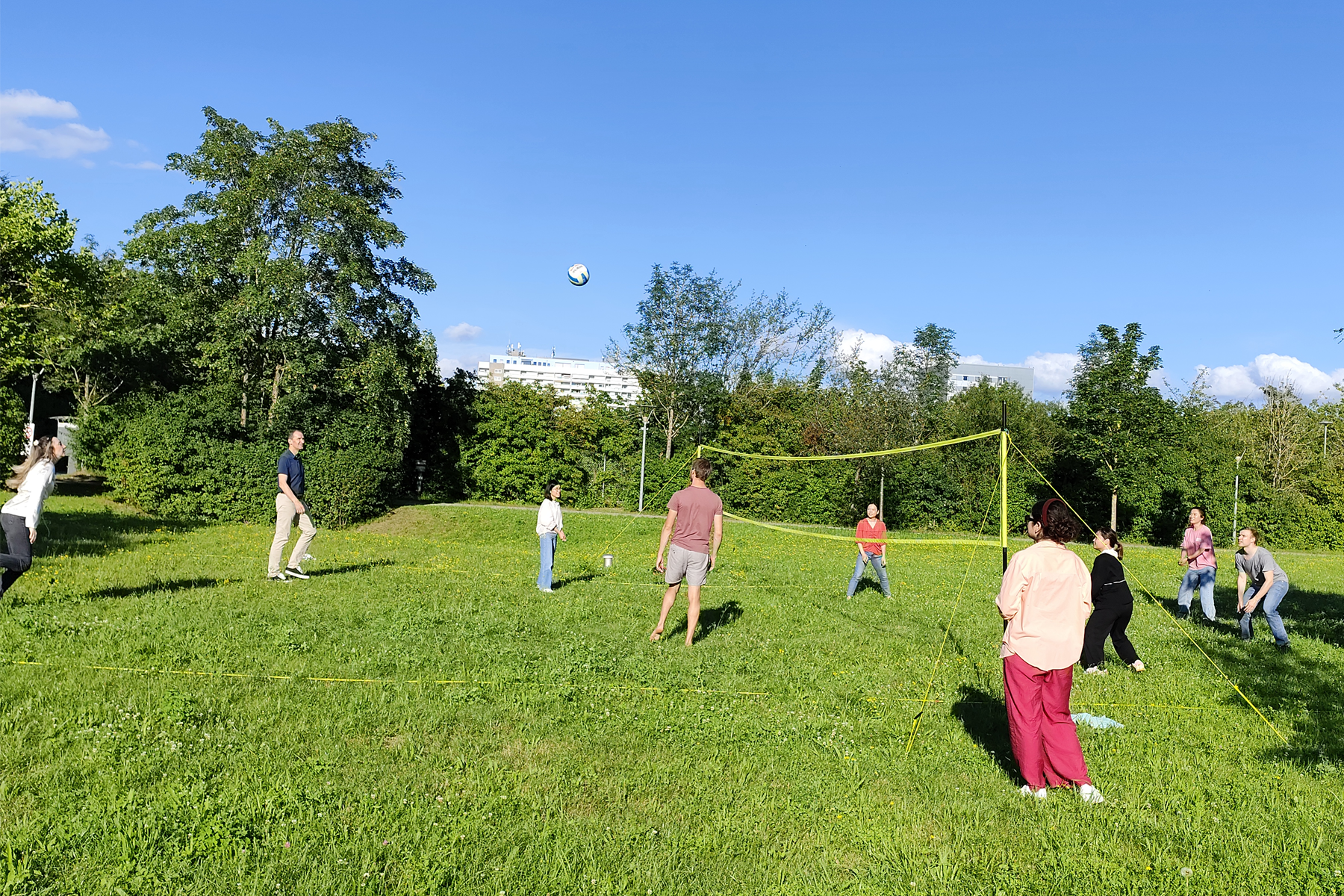
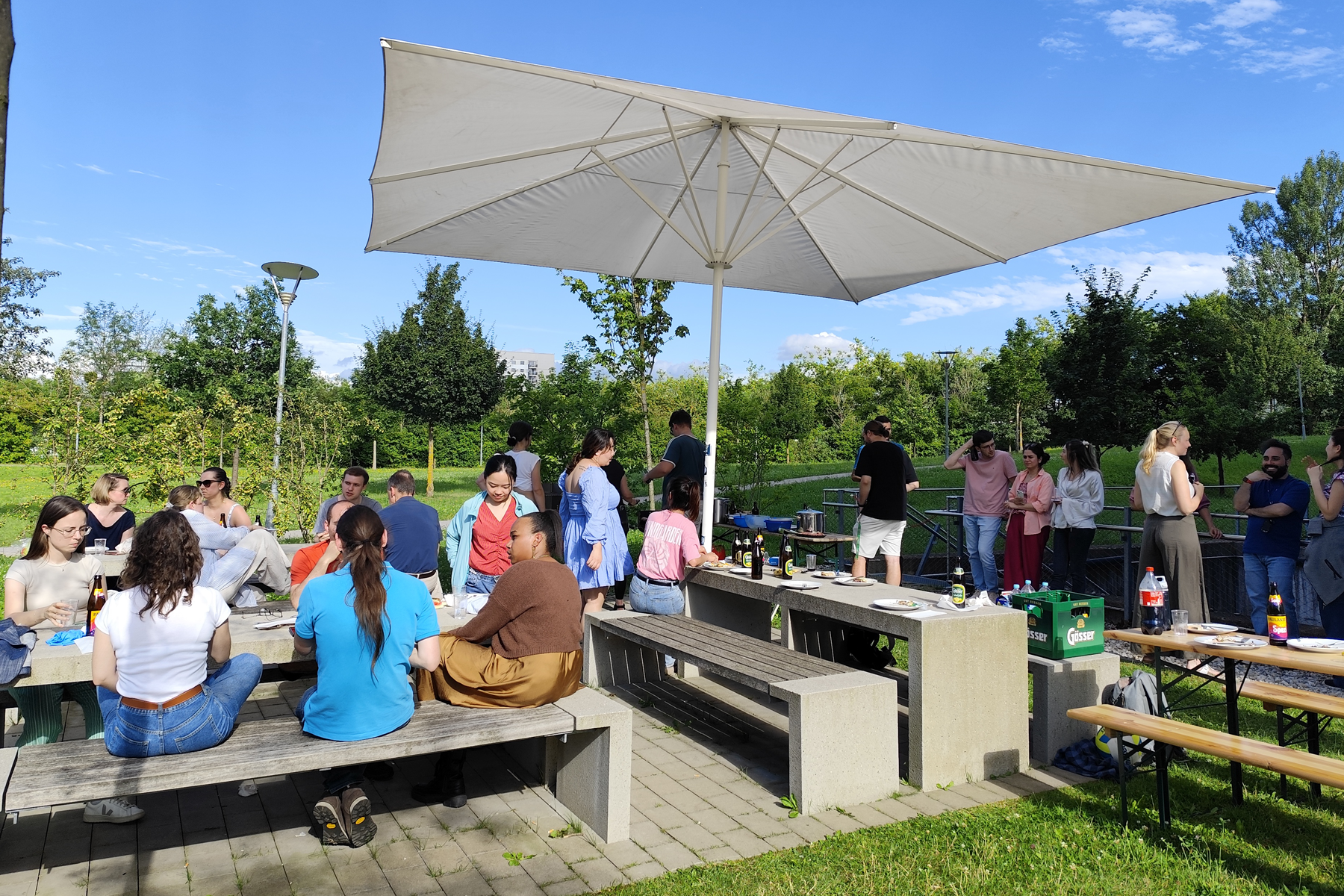
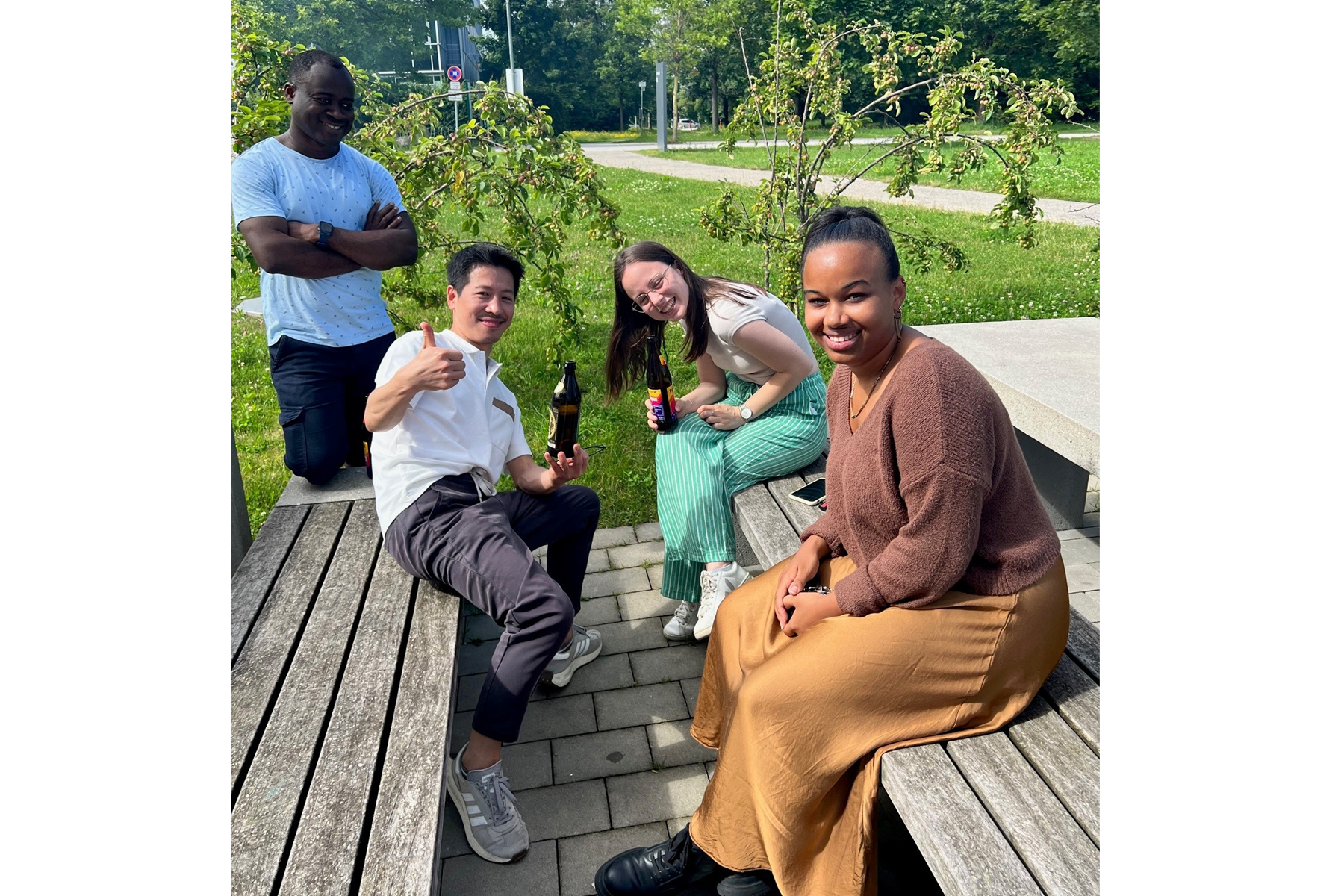
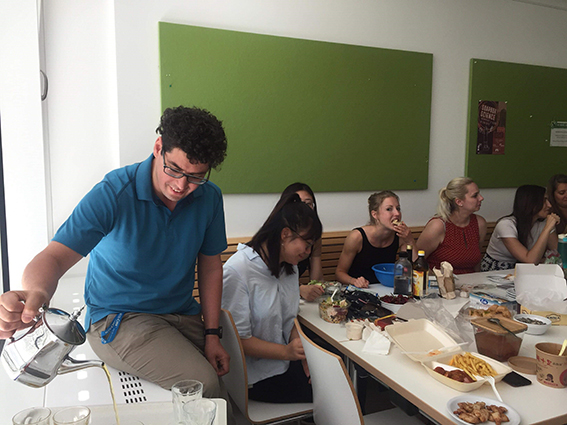
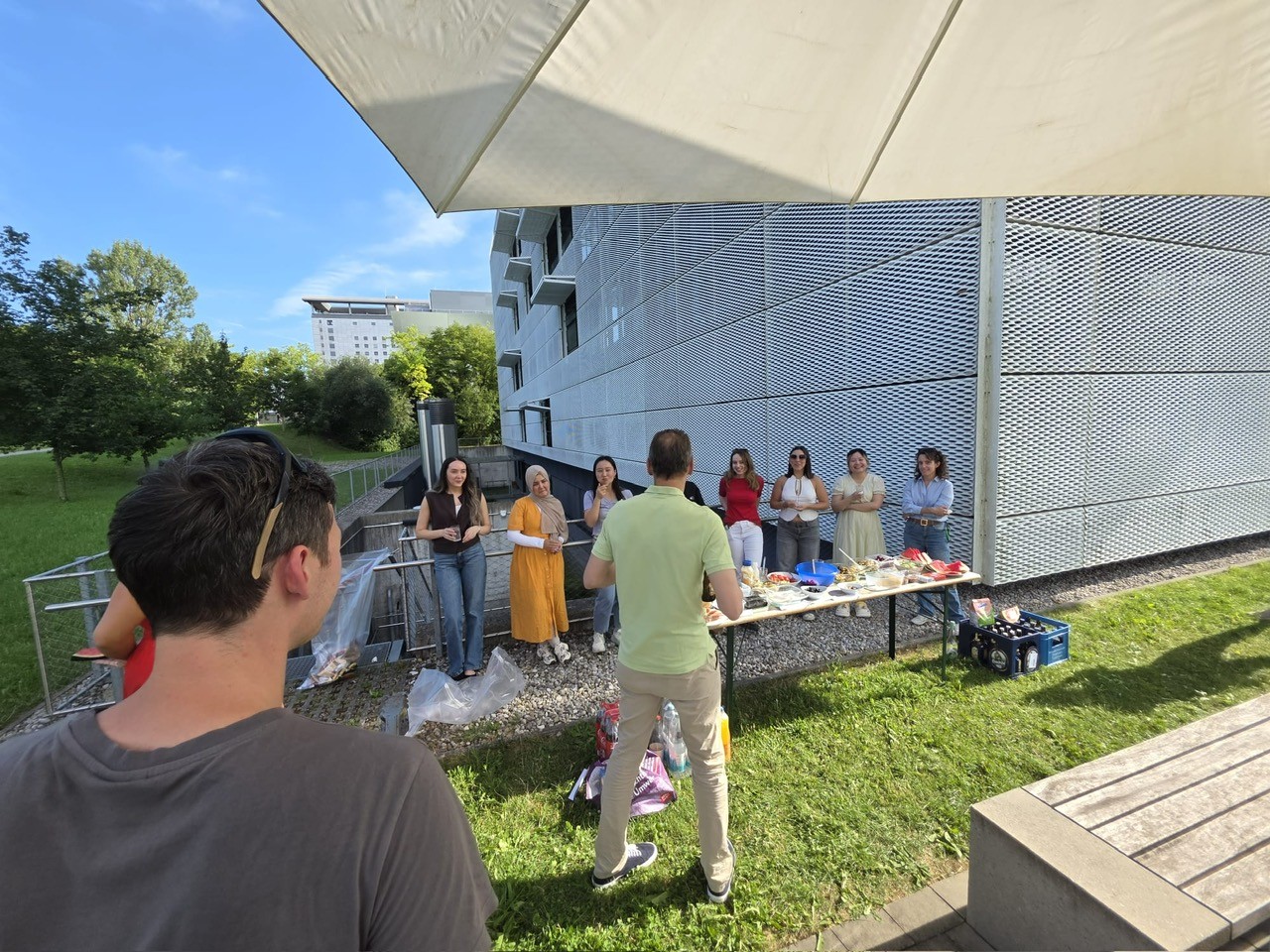
July 2026 - We had a very nice lab BBQ before the summer break with a great mix of international self-cooked dishes
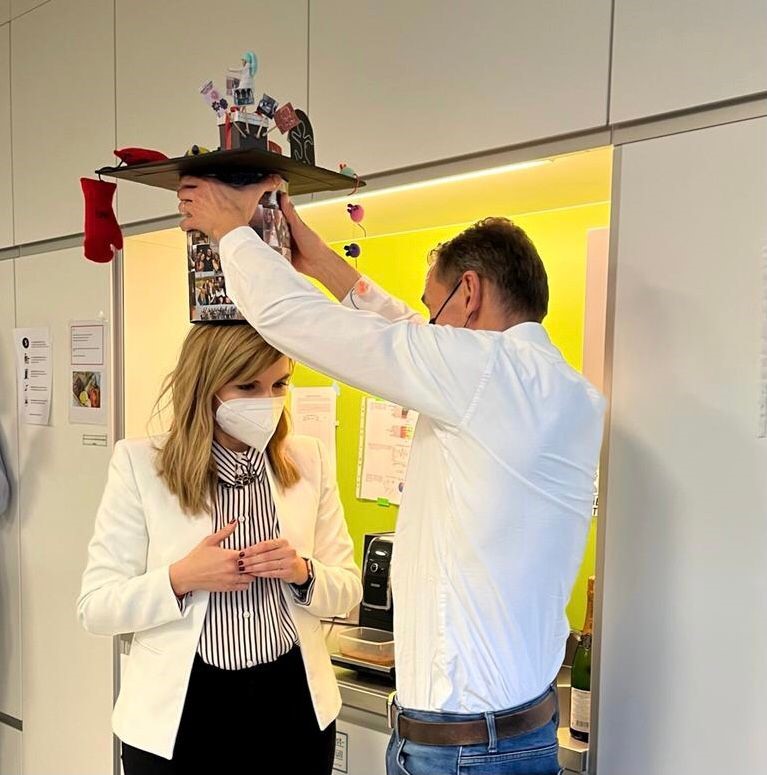
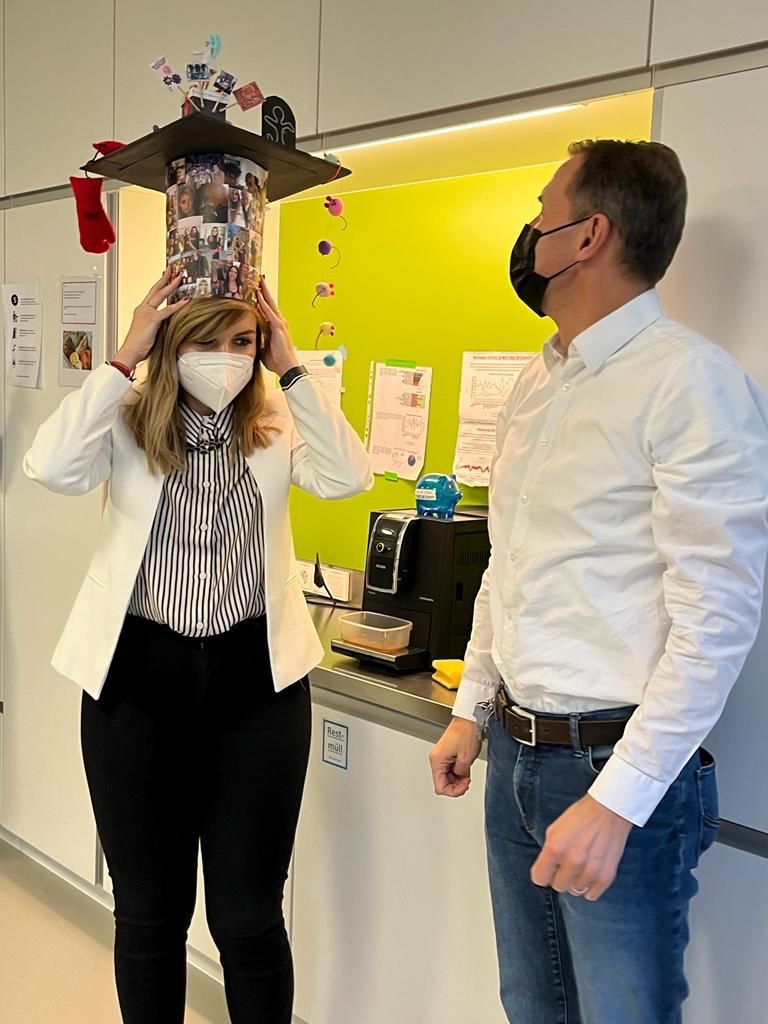
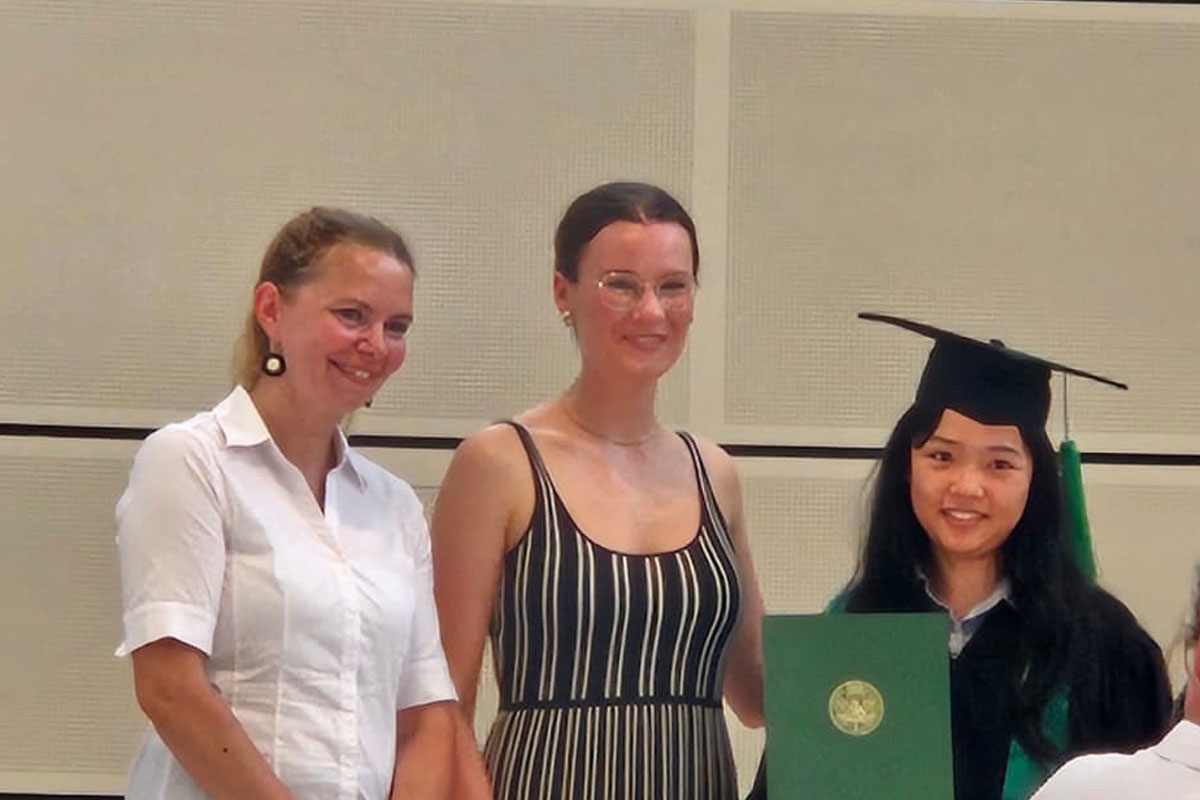
June 2026 – Graduation ceremony Bishan Yang at LMU University
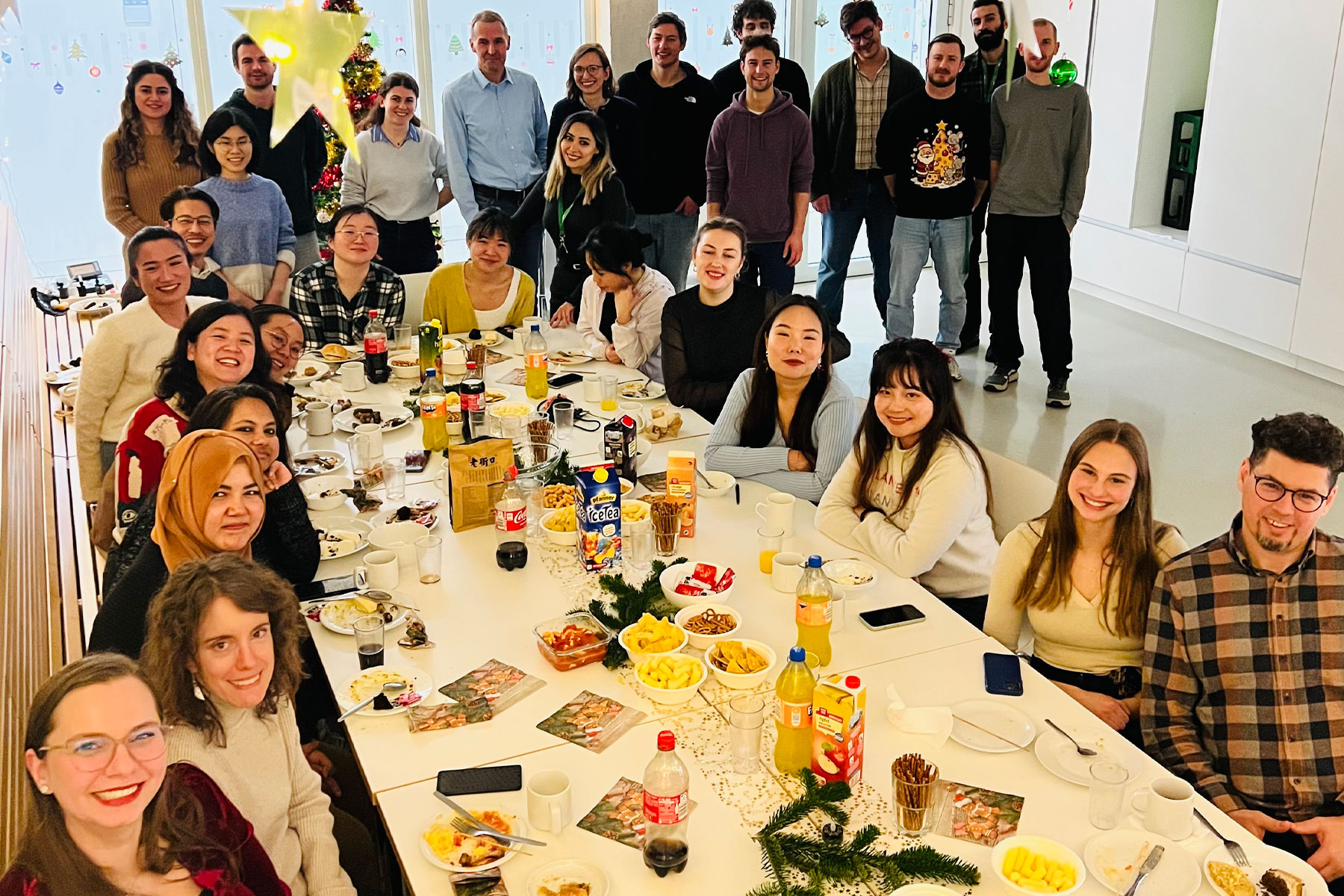
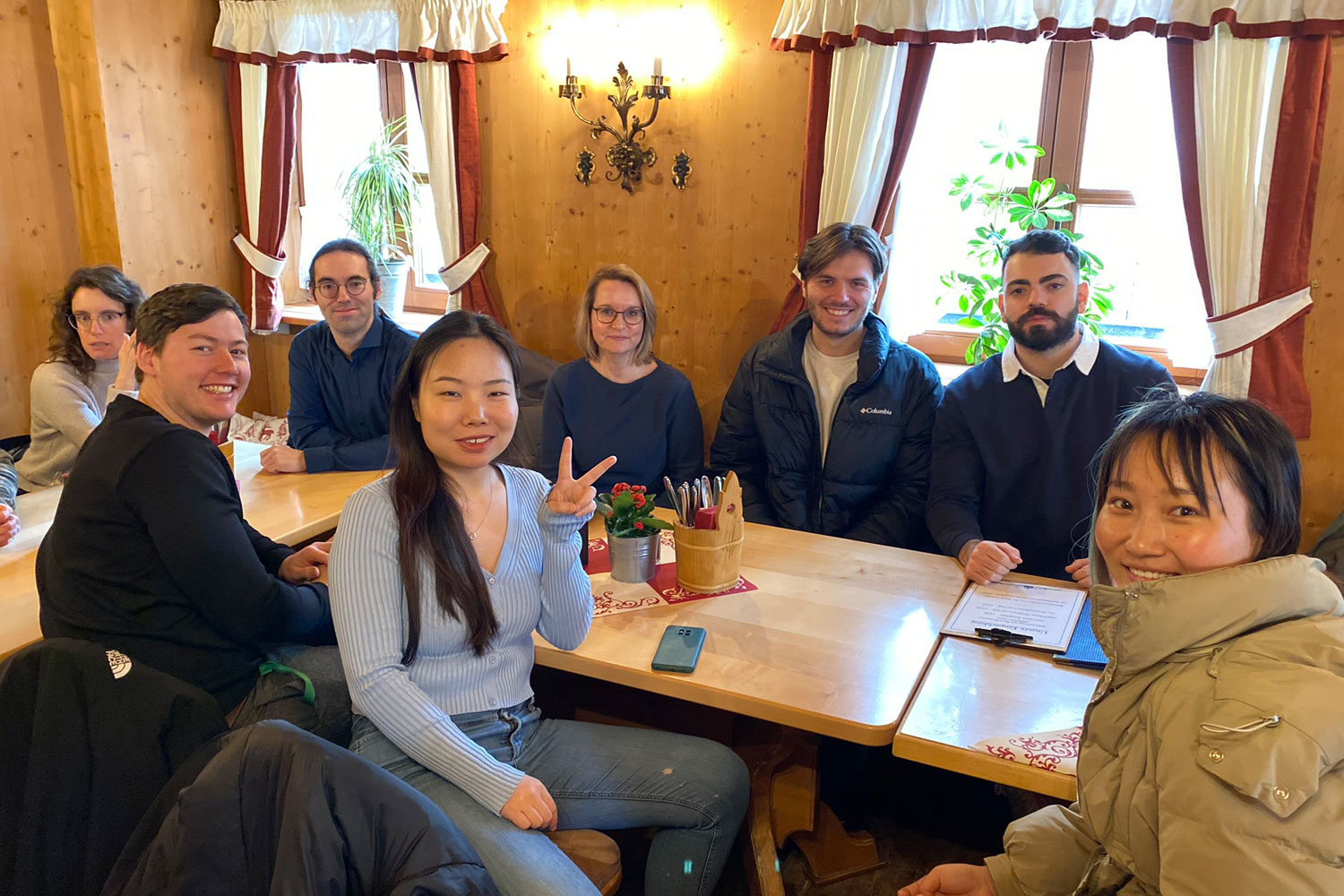
Christmas Party 2025 wit working group Wahl and working group Georgakis, December 2025
Christmas Party 2024 wit working group Wahl and working group Georgakis, December 2024
Lea’s and Philipp´s farewell, July 2024
Grill afternoon get-together with working group Wahl and working group Georgakis July 2024
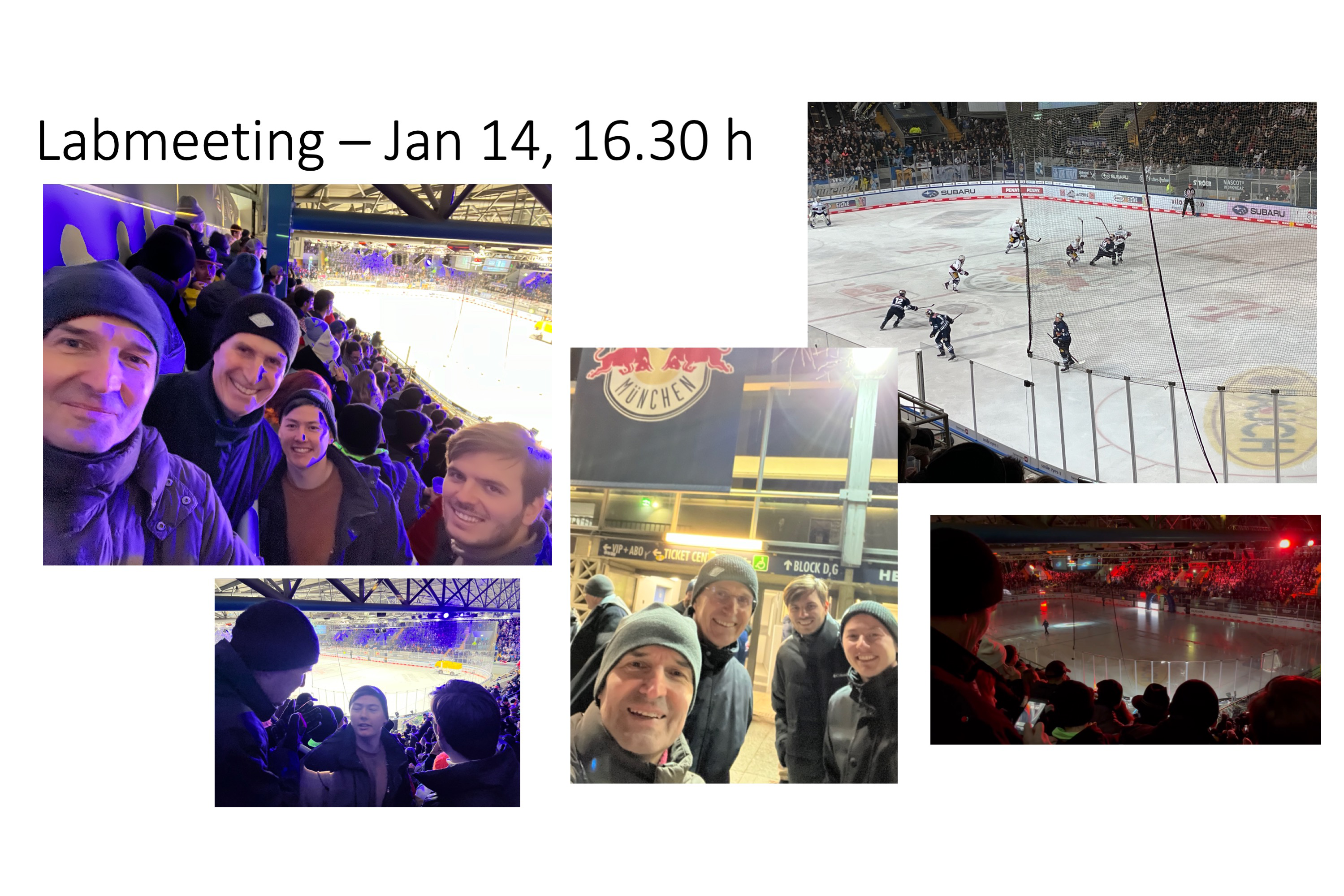
Labmeeting in Red Bull Arena, January 2024
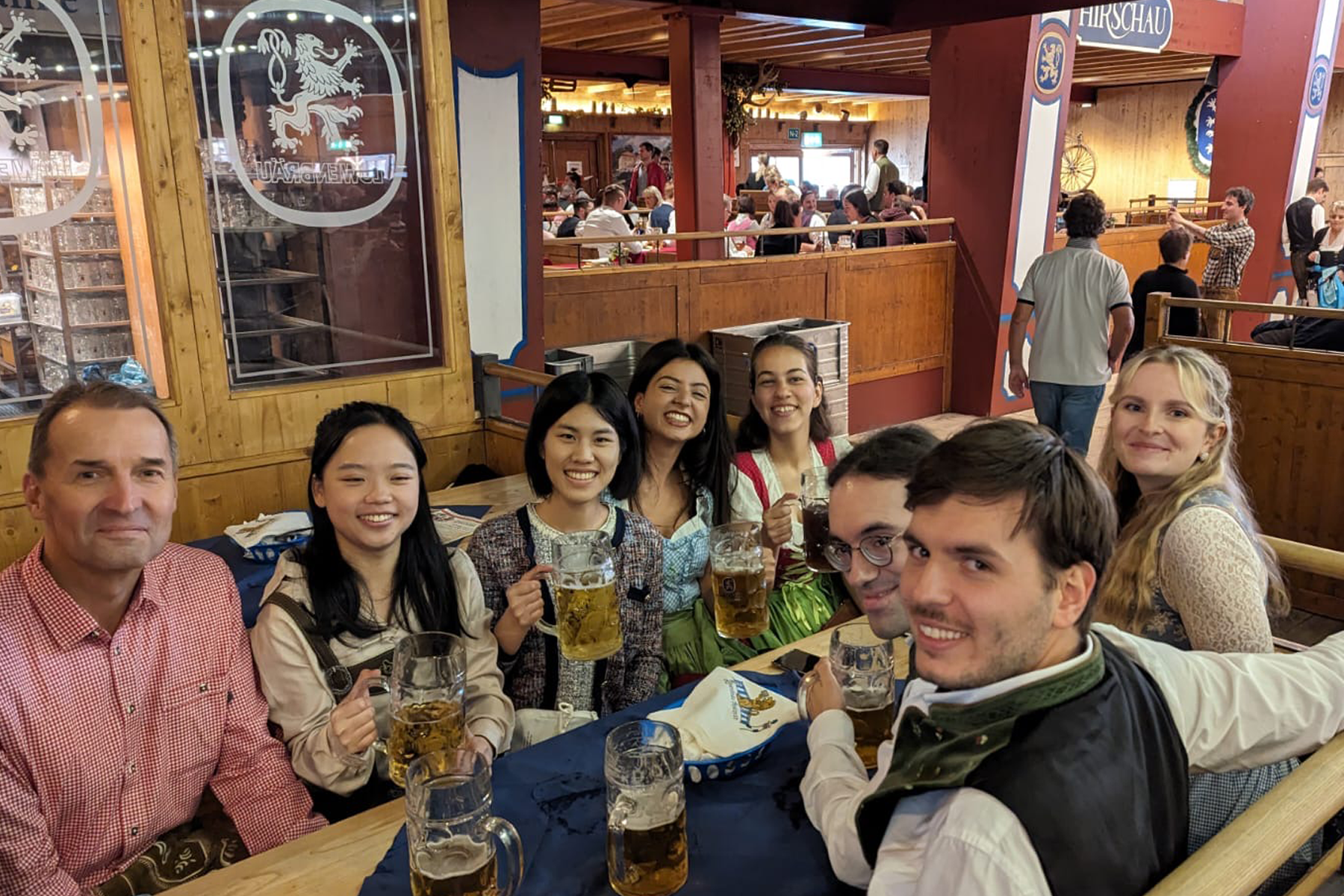
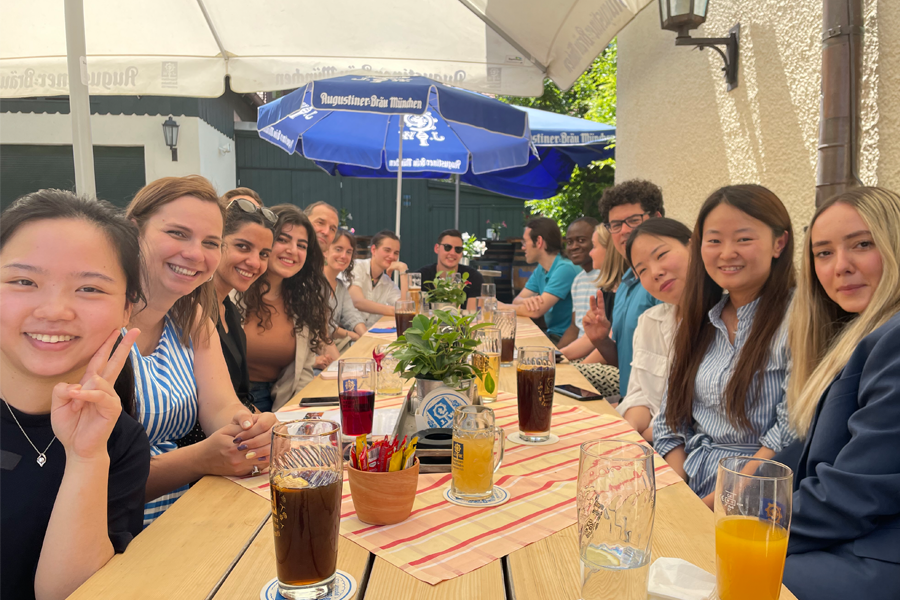
We had a great time at the Oktoberfest 2023 in Munich!
Lots of great science and socializing at ISD Research Retreat 2023
Happy to participate at the ISD Research Retreat 2022 after two years break
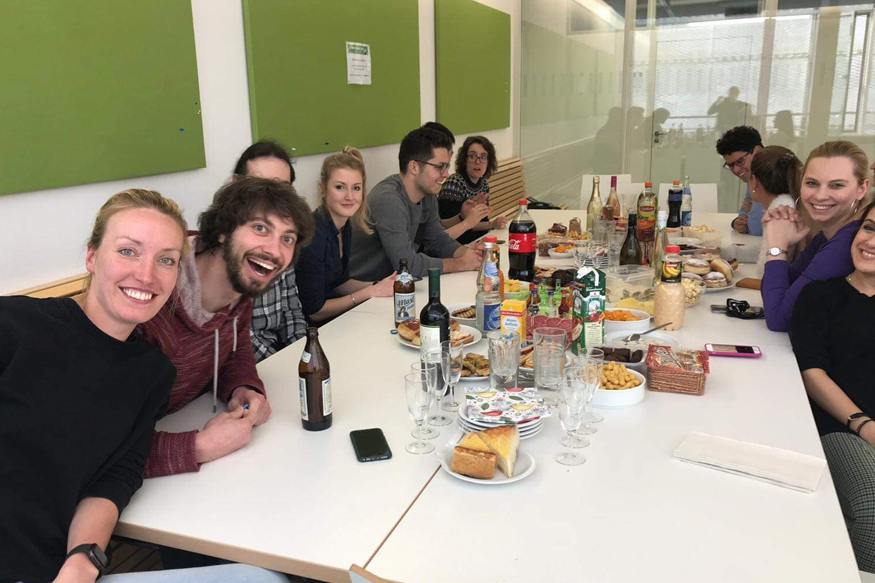
First group lunch after a long corona break.
Ramadan Bayram at AG Bernhagen and AG Gökce
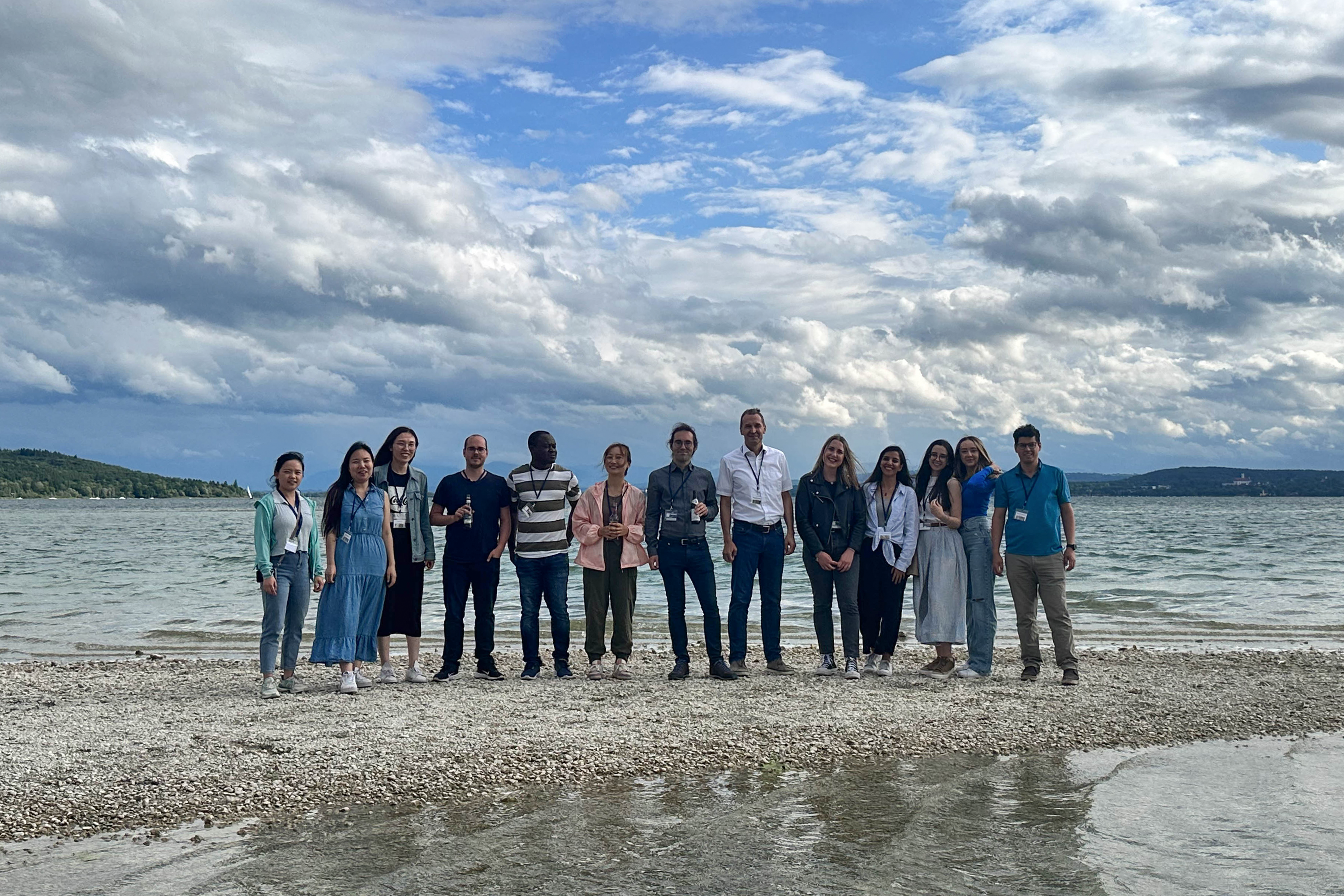
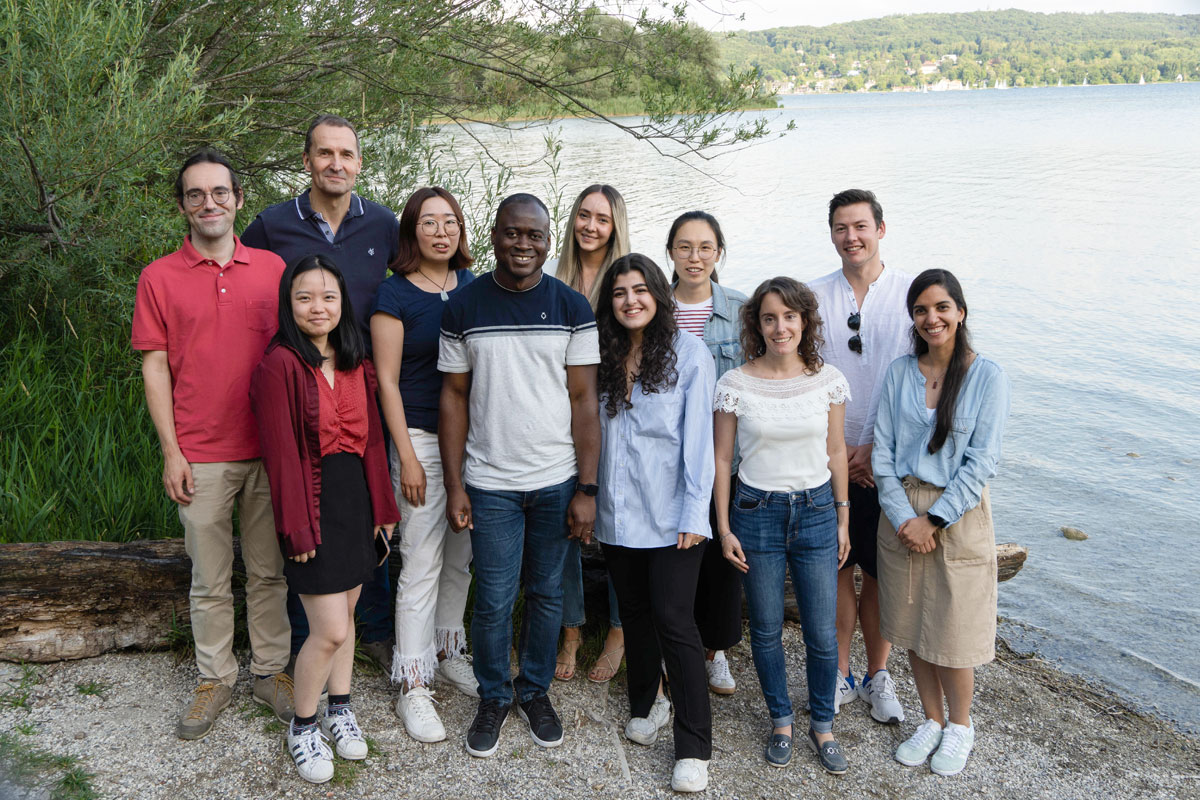
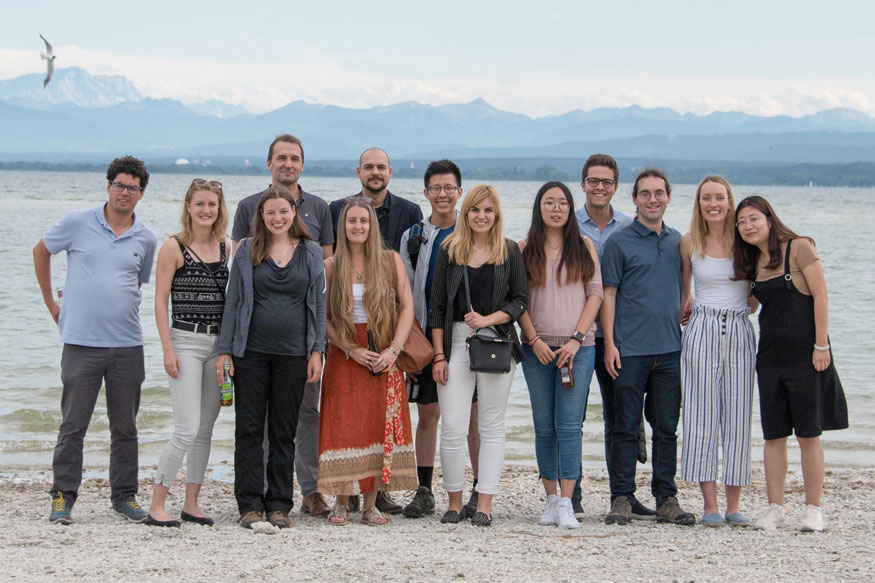
Exciting science, great location and fun at 2019 ISD Retreat in Herrsching/Ammersee
Lisa’s farewell
25 February 2018 – Lisa Schindler obtained a prestigious 12-month DAAD fellowship to perform part of her PhD thesis at Mark Hampton’s lab in Christchurch, NZ.
CSC-LMU fellowship awardees Chunfang Zan, Ying Gao, and Hao Ji start their PhD theses
On 1 Oct 2018, Chunfang Zan and Ying Gao joined the Bernhagen Lab. Chunfang holds a master degree in Clinical Medicine from Jilin University, Changchun, China, and Ying holds a master in Neurology from Shanghai Jiao Tong University, China. Both received a prestigious Chinese Scholarship Council (CSC)-LMU fellowship following competitive selection among hundreds of applicants. The fellowship allows them to pursue a 3-4 year PhD project at LMU. Together with Ji Hao, another successful CSC scholar and PhD candidate in the neighboring Gokce Lab, they just successfully passed the exam concluding the LMU-CSC introductory training in September 2018.
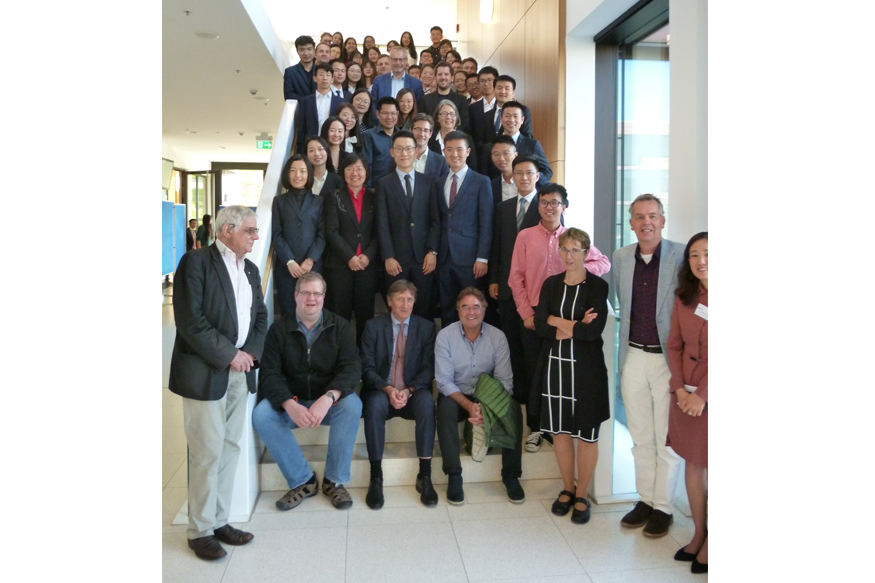
The photos were taken at the opening ceremony of the 2018 CSC-LMU program, which took place on 10 Oct at LMU Biomedical Center (BMC) and was led by LMU Vice President Professor van Ess, the Chinese General Consulate, LMU Vice President Prof. Conrad, and Drs. Lauterbach and Zhang from the LMU International Office. The PhD candidates were awarded their training certificates and notably, Hao delivered one of the welcome addresses.
ISD Retreat 2018
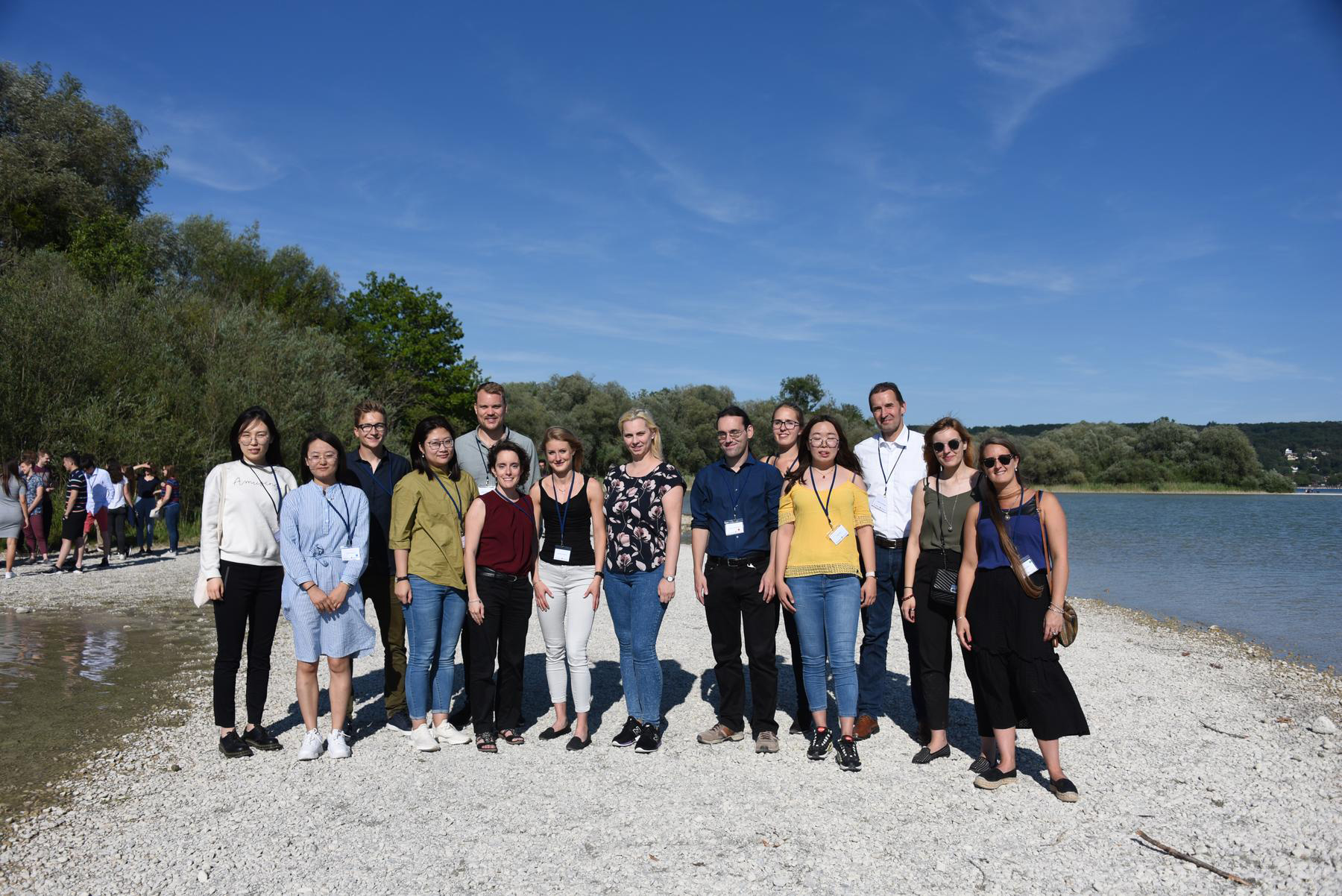
10 July 2018 – The whole group participated at this year’s ISD retreat at Lake Ammersee in Herrsching. Great science, great fun