Arthur Liesz – Stroke-Immunology

We are interested in the interplay between the brain and the immune system after stroke. Acute brain lesions disturb the well-balanced interconnection between both systems. Hence, our research focuses on both directions of brain-immune interaction: The impact of immune mechanisms on neuronal damage and recovery and the systemic immunomodulation after stroke.

Our methodological spectrum covers diverse brain ischemia models, transgenic animal models, a broad spectrum of cutting-edge immunological techniques as well as histological, biomolecular and behavioral analysis tools. The lab has a strong translational research focus with the ultimate goal to develop novel diagnostic tools, therapies and mechanistic insights on the highly complex disease which stroke represents.

Currently, the laboratory focuses on the following main research topics within the area of brain-immune interaction:

Cerebral lymphocyte invasion: beyond the vasculature

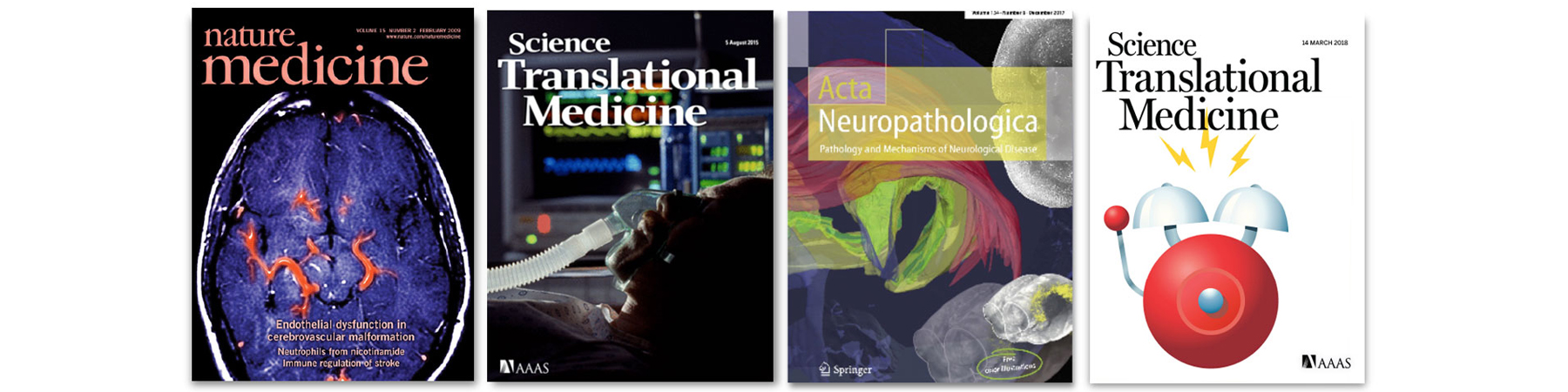
One focus of our research is the migration of pro-inflammatory leukocytes to the ischemic brain (Brain, 2011). We are investigating pathophysiological mechanisms of leukocyte-endothelial interaction and novel therapeutic approaches for translational use (Science Translational Medicine, 2015). We have previously identified the choroid plexus as a previously unrecognized invasion pathways (Acta Neuropathologica, 2017) and are further striving to understand the differential role of alternative invasion routes to the injured brain.

Chronic neuroinflammation: friend or foe in post-stroke recovery?

We have recently identified that acute brain ischemia not only induces acute inflammation but results in long-lasting and profound neuroinflammation (Journal of Experimental Medicine, 2021). These findings suggest either a deficiency in endogenous resolution mechanisms or a preponderance of currently unknown mechanisms driving chronic immune activation after stroke. We try to elucidate the underlying mechanism and study how chronic neuroinflammation affect the chronic recovery after stroke.

Trained immunity in Brain-Body communication

Stroke not only leads to a chronic local neuroinflammatory response, but also to a long-lasting alteration in peripheral immunity. We have previously identified trained immunity (innate immune memory) as a mechanism leading to secondary organ dysfunction after stroke (Cell, 2024). We aim to further explore this novel research concept of brain-body communication, focusing on discovering mediators leading to bone marrow reactivity after stroke, therapeutic approaches to modulate post-stroke trained immunity, and explore its relevance for secondary remote organ damage after stroke.

Inflammasome activation in post-stroke sterile inflammation

We previously described alarmins as key mediators leading to the exacerbation of vascular inflammation and atherosclerosis after stroke (Science Translational Medicine, 2018; Nature, 2024). Currently, we aim to expand our knowledge on the role of circulating blood factors in inducing inflammasome activation and sterile autoinflammation after stroke. These research efforts are pursued within the Liesz lab by the “Team Inflammasome” (> see here for more details).

Liesz Publications

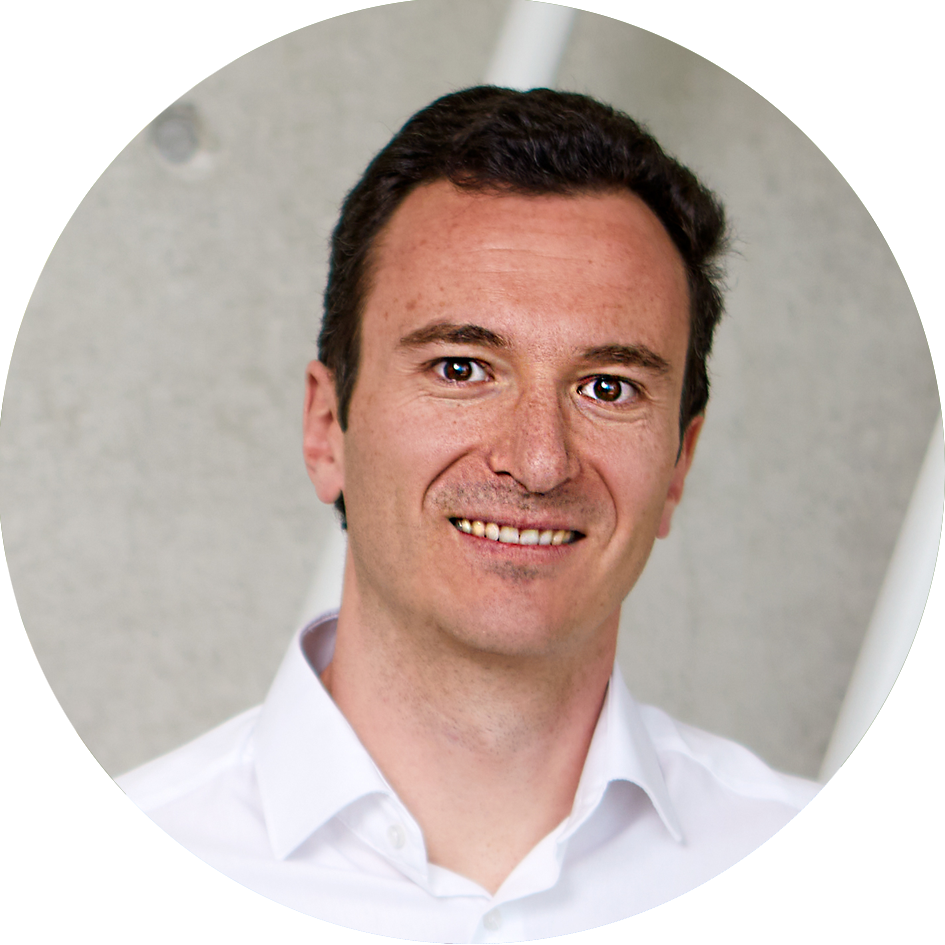
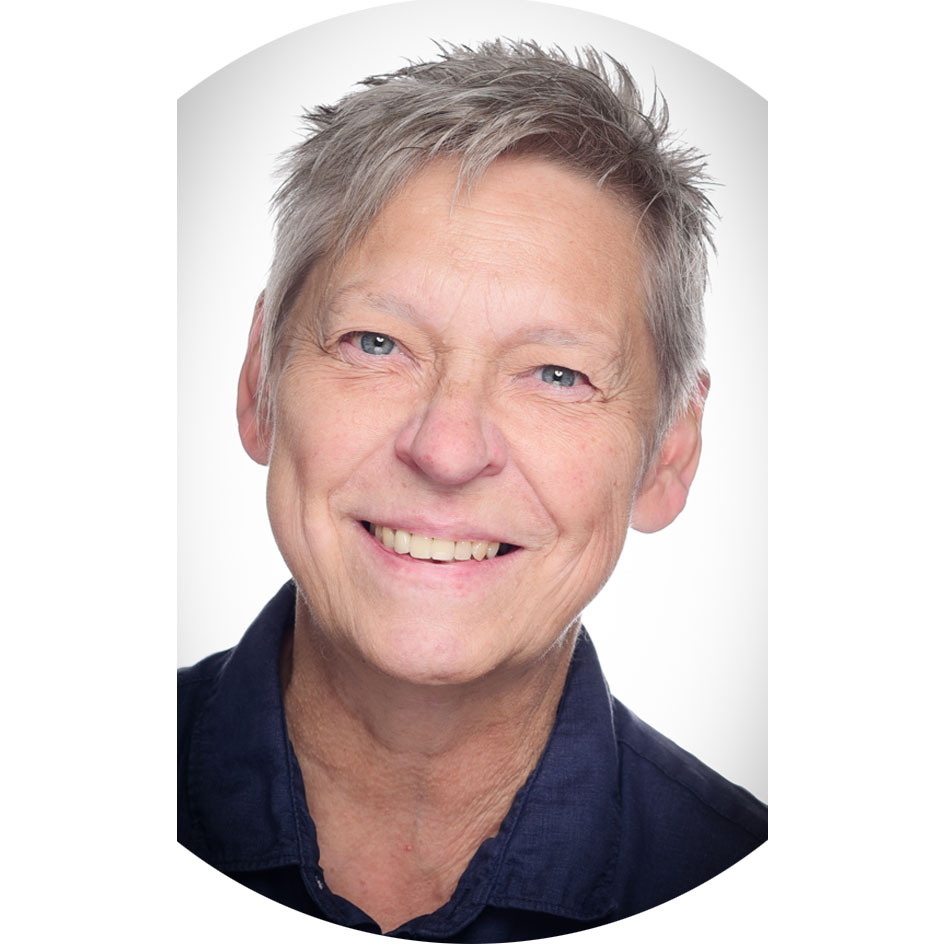
Arthur Liesz, Principal investigator

Read more about the PI next tab

Follow me on X


Stefan

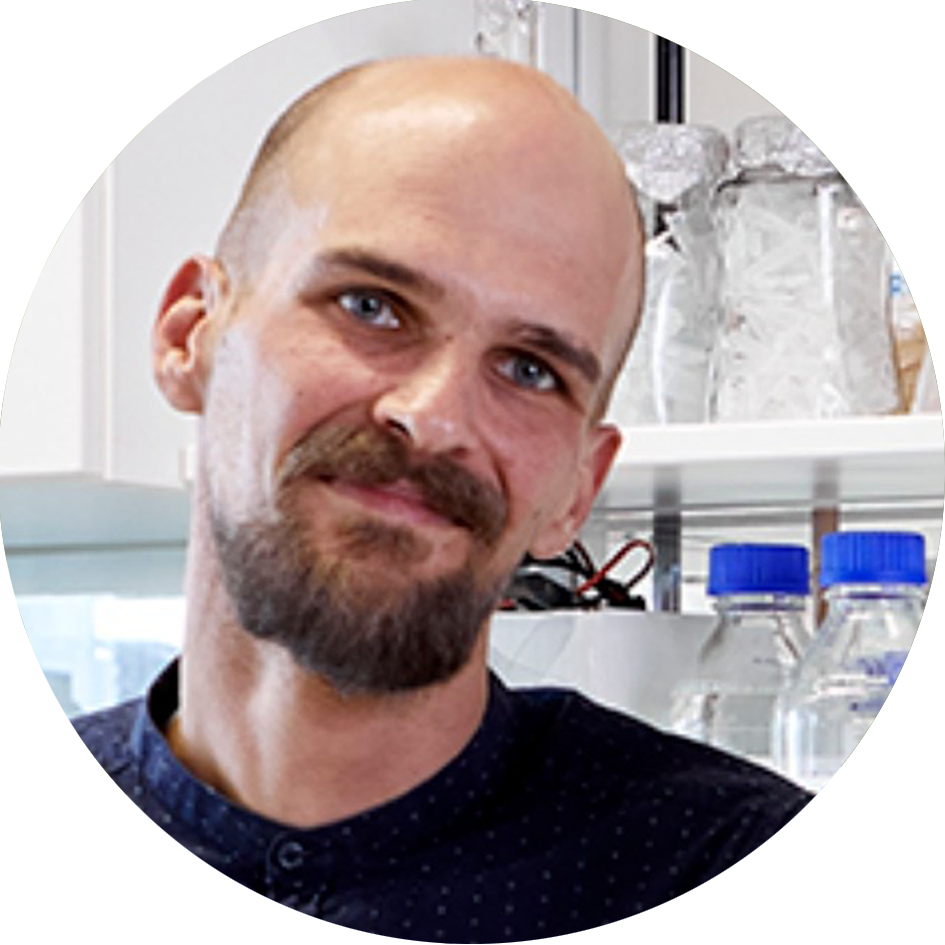
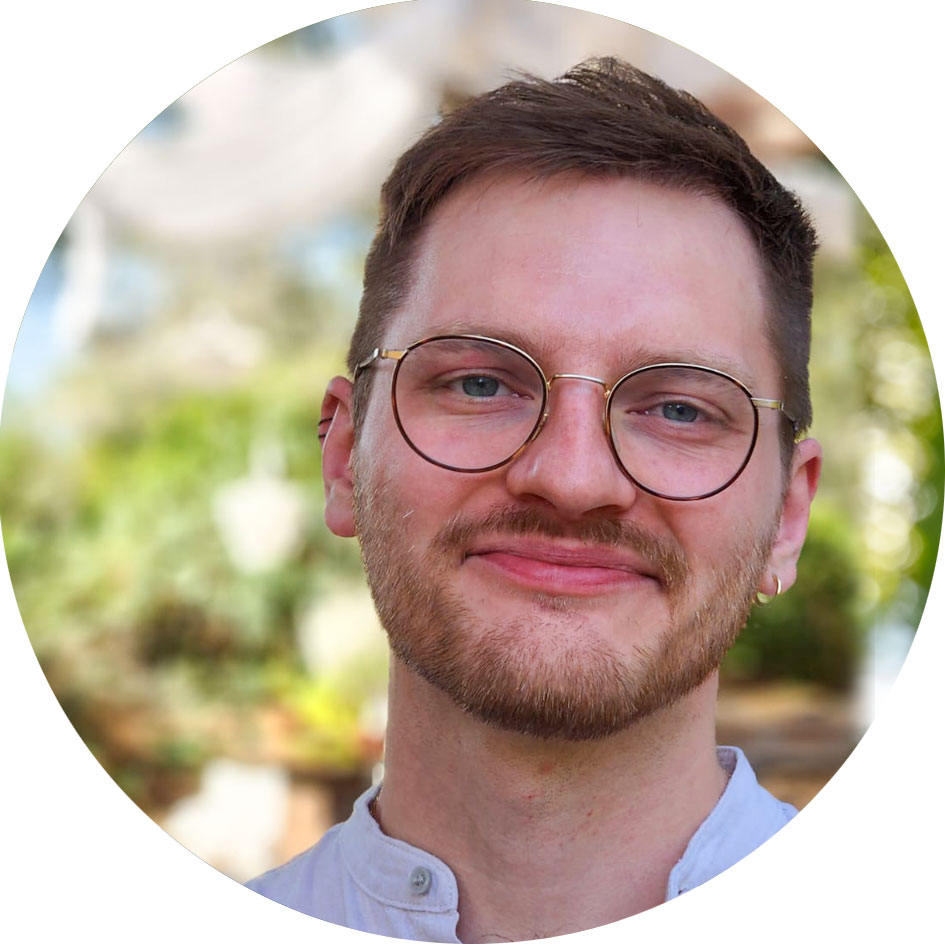
Stefan Roth, Team leader “Infammasome Biology in Stroke”

I studied biology with majors in immunology, human genetics and virology at the University of Tübingen. After finishing my diploma on neurodegeneration in CAG-repeat disorders in 2013 in Tübingen, I joined the Liesz lab to study the impact of systemic sterile inflammation after stroke. I focus in my work particularly on the correlation between stroke and vascular inflammation. In my life outside the lab, I love to travel, play badminton and squash. I also have a great interest in historic cars and enjoy restoring them.

X | Research Gate | Pubmed 

See here for more details>>


Gemma Llovera, Senior Staff Scientist

It all started in Barcelona (Spain) where a bachelor in Biology and a Master in Neuroscience gave me the tools to start the PhD in Munich in 2013. I graduated in March 2019 and continue since then my work on post-stroke neuroinflammation in the Liesz lab as a postdoctoral researcher. When I am not looking for new leukocyte invasion routes to the brain after stroke, you can find me playing with my twin boys in the park. In my free time I try to do some sports, such as running or basketball.

Research Gate | Pubmed | X 


Stefanie Hentze, Team Assistant 

After a long time in different publishing houses and a lot of experience in this field I was curious to do something totally different. I joined the Liesz Lab in January 2022, where I’m responsible for administration, organization, paper work and whatever comes up in everyday business. I like the lively and multicultural atmosphere and enjoy working with dedicated people.

Steffanie Heindl, Postdoctoral fellow

I earned my bachelor’s degree in Pharmaceutical Sciences and my master’s degree in Biology (Neurobiology/Immunology) at the Ludwig-Maximilians-University in Munich. During this time, I developed a deep passion for neuroimmunology and brain repair, which motivated me to pursue a PhD in the lab of Arthur Liesz at the Institute for Stroke and Dementia Research. My doctoral research focused on chronic neuroinflammation following stroke and its role in long-term neuronal repair. As a postdoctoral researcher, I am now further exploring chronic neuroinflammation by leveraging genomic approaches to study long-term immune cell alterations and their involvement in sustaining inflammation. Outside of the lab, I enjoy channeling my creativity through drawing, playing music, or staying active with running and swimming.

Research Gate | | bsky

Daniel Varga

Daniel VargaPostdoctoral fellow

I am a Hungarian scientist and obtained my PhD in Neuroscience at the University of Szeged, Hungary. I started my research activity as an undergraduate student in 2009 by studying neuroprotective strategies for acute ischemic stroke. Then I studied neurophysiology and cerebral hemodynamics during cortical spreading depolarization under the supervision of Dr Eszter Farkas. I came to Munich to join the Liesz lab to investigate interactions between post-stroke inflammatory responses and neurovascular dysfunction. My work heavily focuses on mesoscale imaging. When I am not in the imaging room you will find me outdoors. If it is summer then I go hiking if its winter then skiing or snowboarding. For endurance running weather cannot be an excuse. I am passionate about travelling and exploring new places. Also, I enjoy mixing music.

Research Gate | X

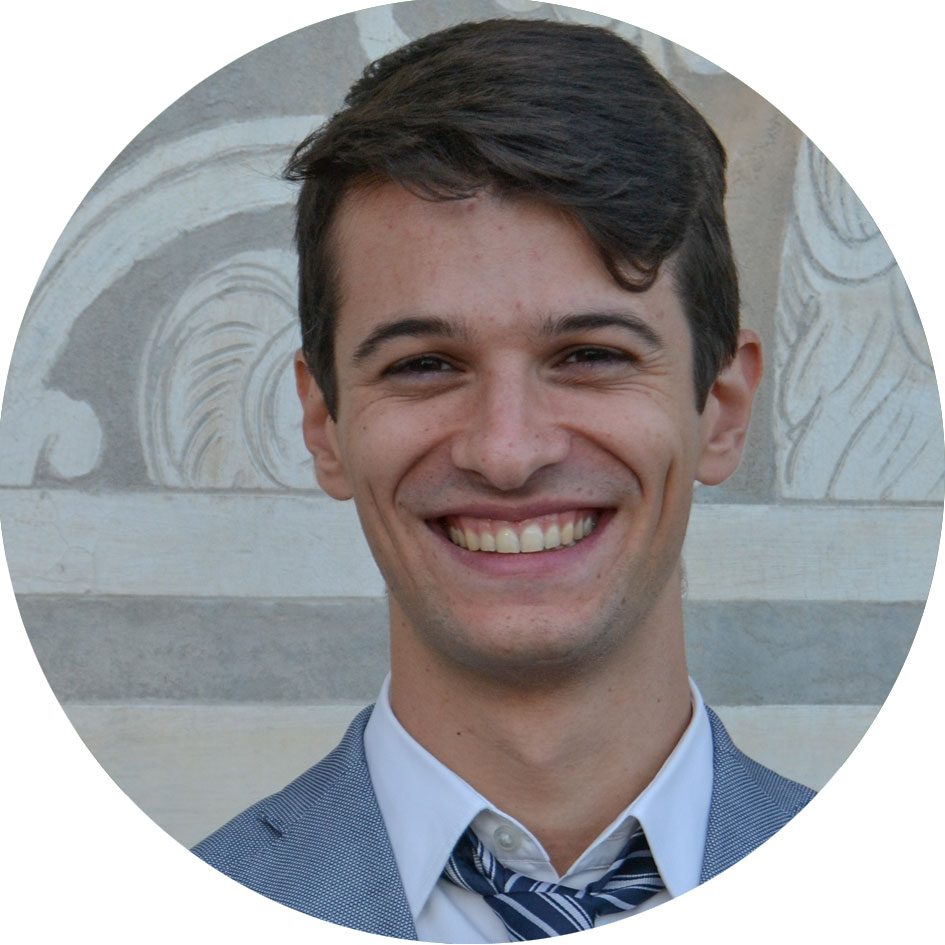
Alessio

Alessio Ricci, Postdoctoral fellow

I am originally from Italy, where I completed both my Bachelor’s and Master’s degrees in Neuroscience in Pisa. I began working on stroke research during my Master’s thesis, focusing on electrophysiological predictors of stroke recovery. During my studies, I developed a deep fascination with the nervous system and its extraordinary complexity.

In October 2019, I started my PhD in the Liesz Lab, where I had the opportunity to explore another captivating field: the immune system. Specifically, I investigated the role of T cells in stroke recovery. I am now continuing my work as a postdoctoral researcher in the lab, where my current focus is on antigen-dependent T cell responses following stroke. Outside of research, I am an avid cook and baker, and I enjoy a wide range of outdoor activities.

LinkedIN

Olga CarofiglioPhD student

I am originally from Italy. After obtaining a Bachelor’s degree in Biology and a Master in Neuroscience in my home country, I decided to challenge myself in a completely new research environment. Hence, my decision to come to Munich where I joined the Liesz Lab in October 2020. My focus is on the mechanisms of chronic neuroinflammation after stroke. In my spare time, I enjoy doing sport and I try to travel whenever I have the chance.

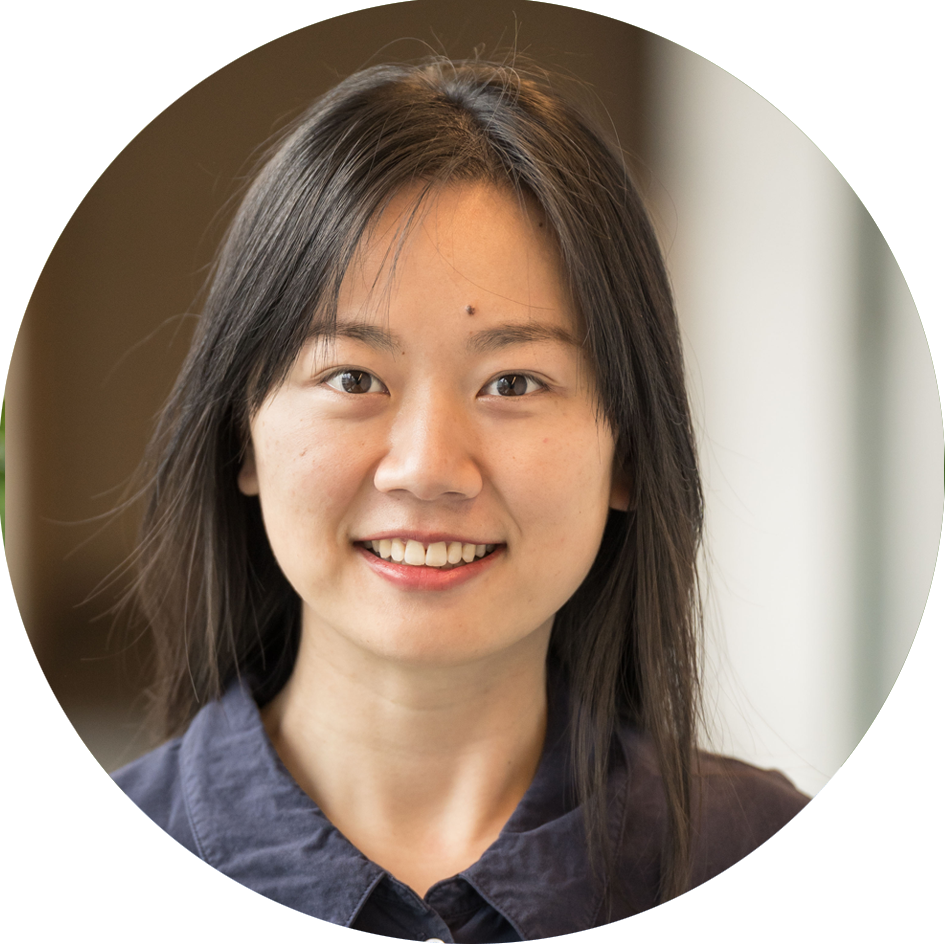
Jie Zhu, PhD student

I have joined the Liesz lab after achieving my master's degree from Shanghai Jiaotong university. In my project I focus on mechanisms of microglia activation after stroke and their role in chronic post-stroke recovery. When I am outside the lab, I am still in the process of adapting to the Bavarian culture and I love to play basketball.

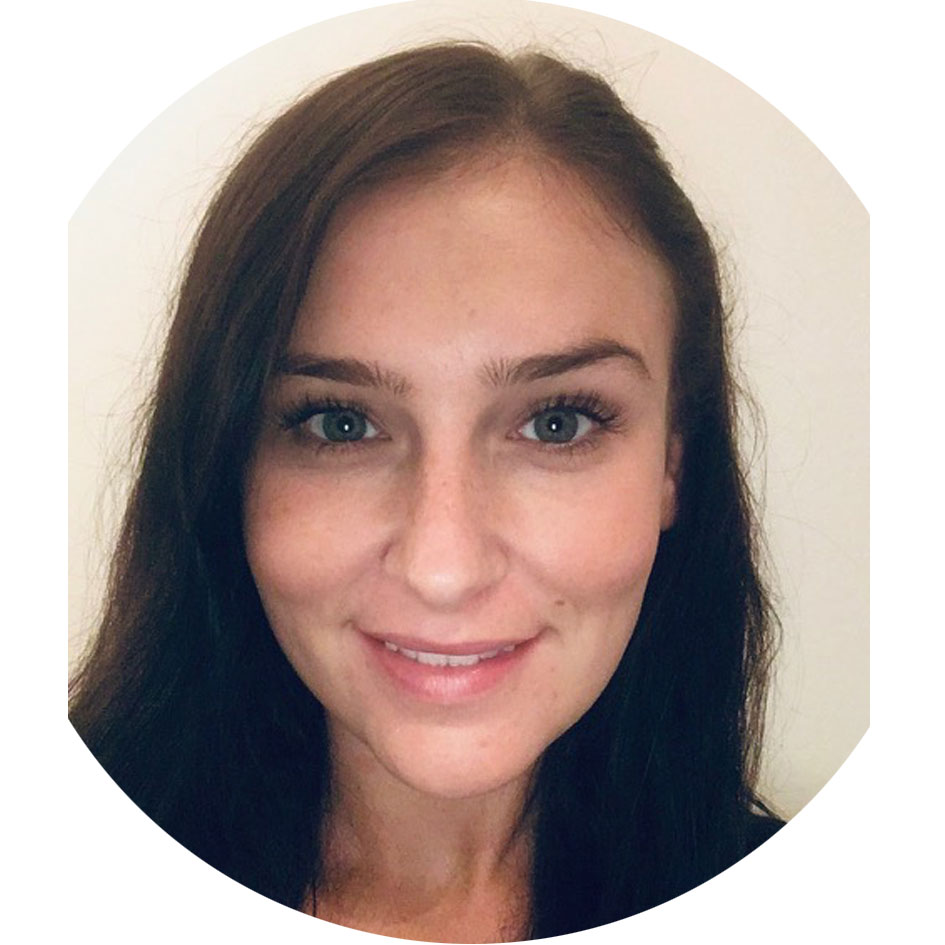
Kelsey

Kelsey Pinkham, PhD student 

After obtaining a B.Sc. in Biology, I began my research career in the field of Glioblastoma in Boston, MA. During my first international trip to Italy, I fell in love with the idea of pursuing my PhD abroad. In October 2019, I began my studies as a PhD Fast-Track student at the LMU and joined the Liesz lab in April 2020. My focus is on the mechanisms underlying chronic microglia dysfunction after stroke. Outside of research I enjoy riding horses, traveling, cinema and my sweet German shepherd Cara.

Research Gate

Sijia-Zhang-ISD-AG-Liesz

Sijia Zhang, PhD student

I graduated from Capital Medical University in Beijing and achieved my master’s degree in medicine. During master’s study and research, I was fully absorbed by the unknowns and challenges of neurology. Therefore, I joined the Liesz lab in 2020 to further explore these unknows, specifically in the field of brain-immune interaction. In my Ph.D. project I will analyze how systemic immune changes drive secondary comorbidities after stroke. In my spare time, music is my best friend and can always refresh me.

Yi-Ming Chen, PhD student

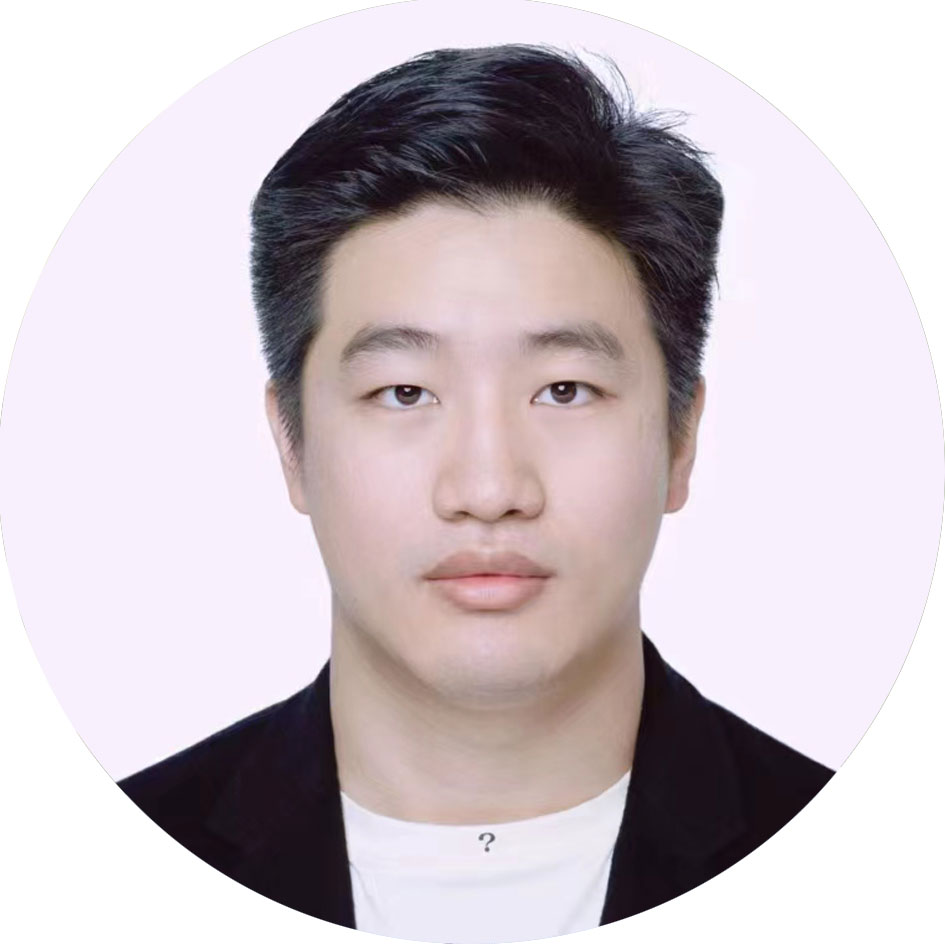
Originally from China, I obtained my master's degree in Medicine from Capital Medical University, focusing on cardioembolic stroke. In 2023, I joined Liesz's Lab, where I am currently exploring the immune response after stroke. Working and studying in Liesz's Lab is incredibly exciting and meaningful to me. Outside the lab, my passions include photography and biking, which allow me to capture the beauty of Bavaria.

Rashween Singh, PhD student

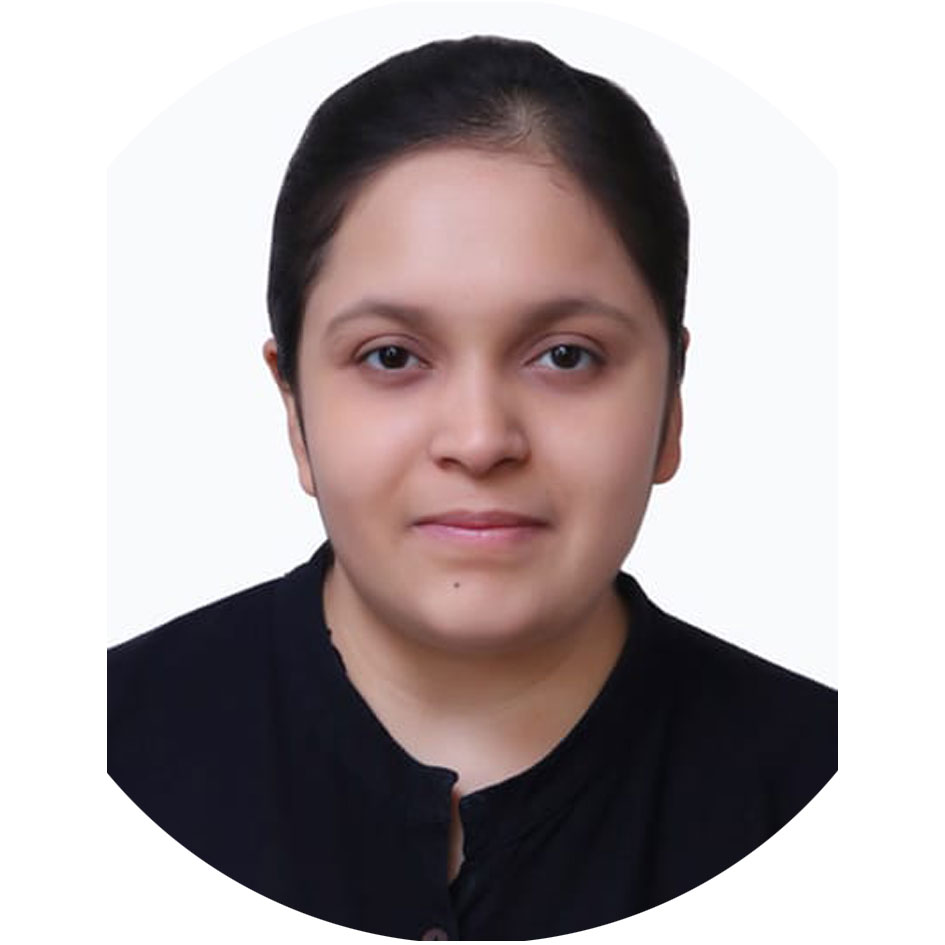
After Graduating in Biological Sciences as a Gold medallist from the University of Delhi, I did my Master’s in the field of Immunology from the University of Bonn. Intrigued with the fascinating question of immunological responses post sterile injury in the brain, I joined Liesz Lab in February 2023 as a PhD student. My doctoral project aims at exploring innate immune responses, in the context of circulating cell free DNA during acute phase post stroke. In my free time I really enjoy travelling, trying new cuisines, and playing Badminton.

Jiali Gao, PhD student 

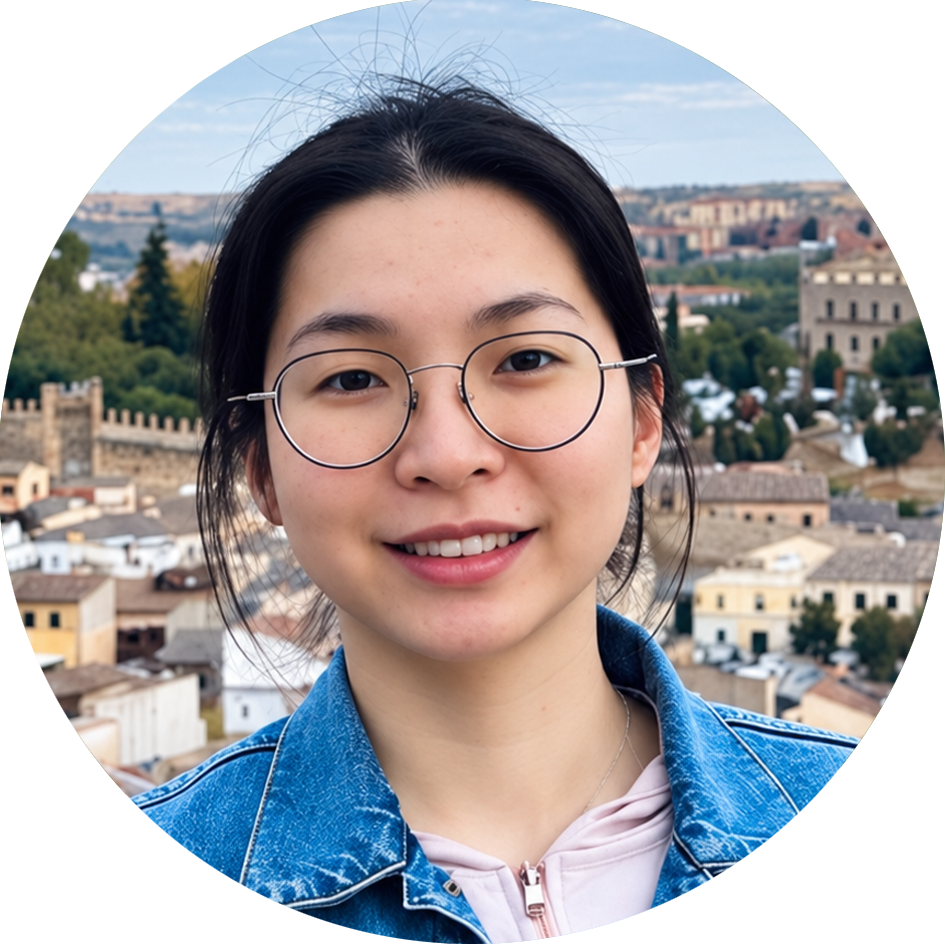
I'm originally from Guangdong, which is in the south of China. I graduated from Jinan University in Guangzhou city. When I was a hospital intern, I was fascinated by Neurology. Thus, I decided to apply for a Master's degree in Neurology, and my research focused on acute ischaemic stroke. I then joined the Liesz lab as a PhD student in 2024. Outside the lab, I enjoy swimming, listening to music and travelling.

Elizabeth Lapshina, PhD student 

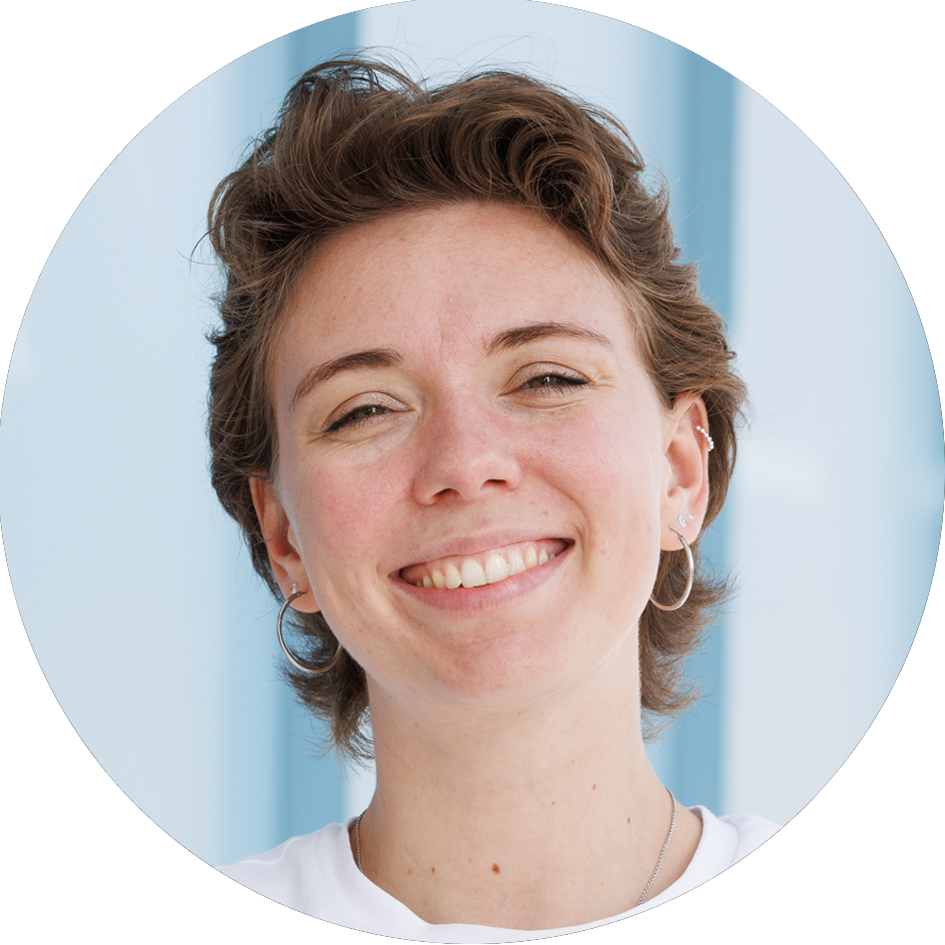
I completed both my BSc and MSc degrees in Microbiology and Immunology at McGill University, Montreal, Canada, where I first became captivated by the complex and multifaceted nature of the immune system – in particular, trained immunity (innate immune memory) and its role in health and disease. During this time, I also grew increasingly fascinated by the complexity of neuroscience, which sparked a strong interest to study the interplay between these two biological systems. In February 2025, I joined the Liesz Lab to begin my doctoral studies, and my PhD project will explore the long-term effects of stroke on systemic organ dysfunction. Outside of the lab, you can find me playing ultimate frisbee, climbing, hiking, or doing photography.  

Kerstin

Kerstin Thuß-Silczak, Lab technician

I was born in Dresden which was previously Eastern Germany. As the lab technician I take care of organizational issues, orders and routine tasks of the Lab. I enjoy manual techniques and am particularly fond of histology. In my private time you find me mostly in the mountains with my family, doing long hikes and photographing.

Sarah Slamova, Technical Assistant

I’m originally from Munich and completed my training as a medical-technical assistant (MTA) in 2024. Since then, I’ve been working in the Liesz Lab, where I’m involved in routine lab procedures, animal work, and various organizational tasks. Outside of the lab, I enjoy running and swimming, or staying in to cook a nice meal and relax with a book.

Alumni
Vikramjeet Singh, PhD: PI at University Essen
Corinne Benakis, PhD: PI at ISD 
Rebecca Sadler, PhD: Scientist at Roche Basel
Julia Cramer, MD: Medical Data Analyst at Mindpax.me  

Arthur Liesz, Principal investigator

I have been working on the topic of brain-immune interaction after acute brain injuries for more than 10 years and am fascinated by the interaction of these two highly complex super-organisms. My scientific goal is to make new discoveries that will lead to therapies for the benefit of stroke patients. Therefore, we try in my laboratory to combine the use of cutting-edge methodologies and innovative research ideas with a focus on the translational relevance.

Key research achievements include the first report on the neuroprotective role of regulatory T cells in stroke (Nat Med, 2009) which has been reproduced over 20 times. We provided the first description of a bi-directional link between the brain and gut microbiota via immune-mechanisms in acute brain injury (J Neurosci, 2016). Our work on blocking leukocyte brain invasion by Anti-CD49d antibodies (Brain, 2011 and Science Transl Med, 2015) has led to already two completed clinical Phase II studies. Our work on sterile inflammation after stroke and its consequence for remote organ dysfunction has pioneered this new research field of post-stroke brain-body communication (Nature 2024; Cell, 2024).

Training & Academic Career

2020 – present: Professor for Stroke-Immunology, LMU Munich

2020 – present: Senior Consultant in Neurology, ISD, LMU Hospital, Germany

2019: Board Certification in Neurology, Medical Board of Bavaria

2016: Habilitation on the topic „Immunological Mechanisms in Acute Brain Ischemia“

2006 – 2009: Training in Experimental Immunology, DKFZ Heidelberg, Germany

2003 – 2010: Medical School, Universities of Würzburg & Heidelberg, Germany


Awards & Honors

2022 – 2025 Speaker DFG research unit FOR2879 „ImmunoStroke“

2023 Local Chair, European Stroke Organization Conference

Since 2020 Organizer, EMBO Workshop “Stroke-Immunology”

2020 Science Award (Pette Prize) of the German Neurological Society

2018 ERC Starting Grant

2015 Young Investigator Award, European Stroke Organization


Key publications

Cao J, Roth S, Zhang S, Kopczak A, Mami S, Asare Y, Georgakis MK, Messerer D, Horn A, Shemer R, Jacqmarcq C, Picot A, Green JP, Schlegl C, Li X, Tomas L, Dutsch A, Liman TG, Endres M, Wernsdorf SR, Fürle C, Carofiglio O, Zhu J, Brough D; DEMDAS Study Group; Hornung V, Dichgans M, Vivien D, Schulz C, Dor Y, Tiedt S, Sager HB, Grosse GM, Liesz A. DNA-sensing inflammasomes cause recurrent atherosclerotic stroke. Nature. 2024 Sep;633(8029):433-441. doi: 10.1038/s41586-024-07803-4. Epub 2024 Aug 7. 

Simats A, Zhang S, Messerer D, Chong F, Beşkardeş S, Chivukula AS, Cao J, Besson-Girard S, Montellano FA, Morbach C, Carofiglio O, Ricci A, Roth S, Llovera G, Singh R, Chen Y, Filser S, Plesnila N, Braun C, Spitzer H, Gokce O, Dichgans M, Heuschmann PU, Hatakeyama K, Beltrán E, Clauss S, Bonev B, Schulz C, Liesz A. Innate immune memory after brain injury drives inflammatory cardiac dysfunction. Cell. 2024 Aug 22;187(17):4637-4655.e26. doi: 10.1016/j.cell.2024.06.028. Epub 2024 Jul 22. 

Benakis C, Simats A, Tritschler S, Heindl S, Besson-Girard S, Llovera G, Pinkham K, Kolz A, Ricci A, Theis FJ, Bittner S, Gökce Ö, Peters A, Liesz A. T cells modulate the microglial response to brain ischemia. Elife. 2022 Dec 13;11:e82031. doi: 10.7554/eLife.82031. 

Heindl S, Ricci A, Carofiglio O, Zhou Q, Arzberger T, Lenart N, Franzmeier N, Hortobagyi T, Nelson PT, Stowe AM, Denes A, Edbauer D, Liesz A. Chronic T cell proliferation in brains after stroke could interfere with the efficacy of immunotherapies. J Exp Med. 2021 Aug 2;218(8):e20202411. doi: 10.1084/jem.20202411. Epub 2021 May 26. 

Roth S, Cao J, Singh V, Tiedt S, Hundeshagen G, Li T, Boehme JD, Chauhan D, Zhu J, Ricci A, Gorka O, Asare Y, Yang J, Lopez MS, Rehberg M, Bruder D, Zhang S, Groß O, Dichgans M, Hornung V, Liesz A. Post-injury immunosuppression and secondary infections are caused by an AIM2 inflammasome-driven signaling cascade. Immunity. 2021 Apr 13;54(4):648-659.e8. doi: 10.1016/j.immuni.2021.02.004. Epub 2021 Mar 4. 

Cserép C*, Pósfai B*, Lénárt N, Fekete R, László ZI, Lele Z, Orsolits B, Molnár G, Heindl S, Schwarcz AD, Ujvári K, Környei Z, Tóth K, Szabadits E, Sperlágh B, Baranyi M, Csiba L, Hortobágyi T, Maglóczky Z, Martinecz B, Szabó G, Erdélyi F, Szipőcs R, Tamkun MM, Gesierich B, Duering M, Katona I, Liesz A, Tamás G, Dénes Á. Microglia monitor and protect neuronal function through specialized somatic purinergic junctions. Science. 2020 Jan 31;367(6477):528-537. doi: 10.1126/science.aax6752. (*shared first authors)

Roth S, Singh V, Tiedt S, Schindler L, Huber G, Geerlof A, Antoine DJ, Anfray A, Orset C, Gauberti M, Fournier A, Holdt LM, Harris HE, Engelhardt B, Bianchi ME, Vivien D, Haffner C, Bernhagen J, Dichgans M, Liesz A. Brain-released alarmins and stress response synergize in accelerating atherosclerosis progression after stroke. Sci Transl Med. 2018 Mar 14;10(432):eaao1313. doi: 10.1126/scitranslmed.aao1313. 

Llovera G, Benakis C, Enzmann G, Cai R, Arzberger T, Ghasemigharagoz A, Mao X, Malik R, Lazarevic I, Liebscher S, Ertürk A, Meissner L, Vivien D, Haffner C, Plesnila N, Montaner J, Engelhardt B, Liesz A. The choroid plexus is a key cerebral invasion route for T cells after stroke. Acta Neuropathol. 2017 Dec;134(6):851-868. doi: 10.1007/s00401-017-1758-y. Epub 2017 Jul 31. 

Llovera G, Hofmann K, Roth S, Salas-Pérdomo A, Ferrer-Ferrer M, Perego C, Zanier ER, Mamrak U, Rex A, Party H, Agin V, Fauchon C, Orset C, Haelewyn B, De Simoni MG, Dirnagl U, Grittner U, Planas AM, Plesnila N, Vivien D, Liesz A. Results of a preclinical randomized controlled multicenter trial (pRCT): Anti-CD49d treatment for acute brain ischemia. Sci Transl Med. 2015 Aug 5;7(299):299ra121. doi: 10.1126/scitranslmed.aaa9853. 

Liesz A, Suri-Payer E, Veltkamp C, Doerr H, Sommer C, Rivest S, Giese T, Veltkamp R. Regulatory T cells are key cerebroprotective immunomodulators in acute experimental stroke. Nat Med. 2009 Feb;15(2):192-9. doi: 10.1038/nm.1927. Epub 2009 Jan 25. 

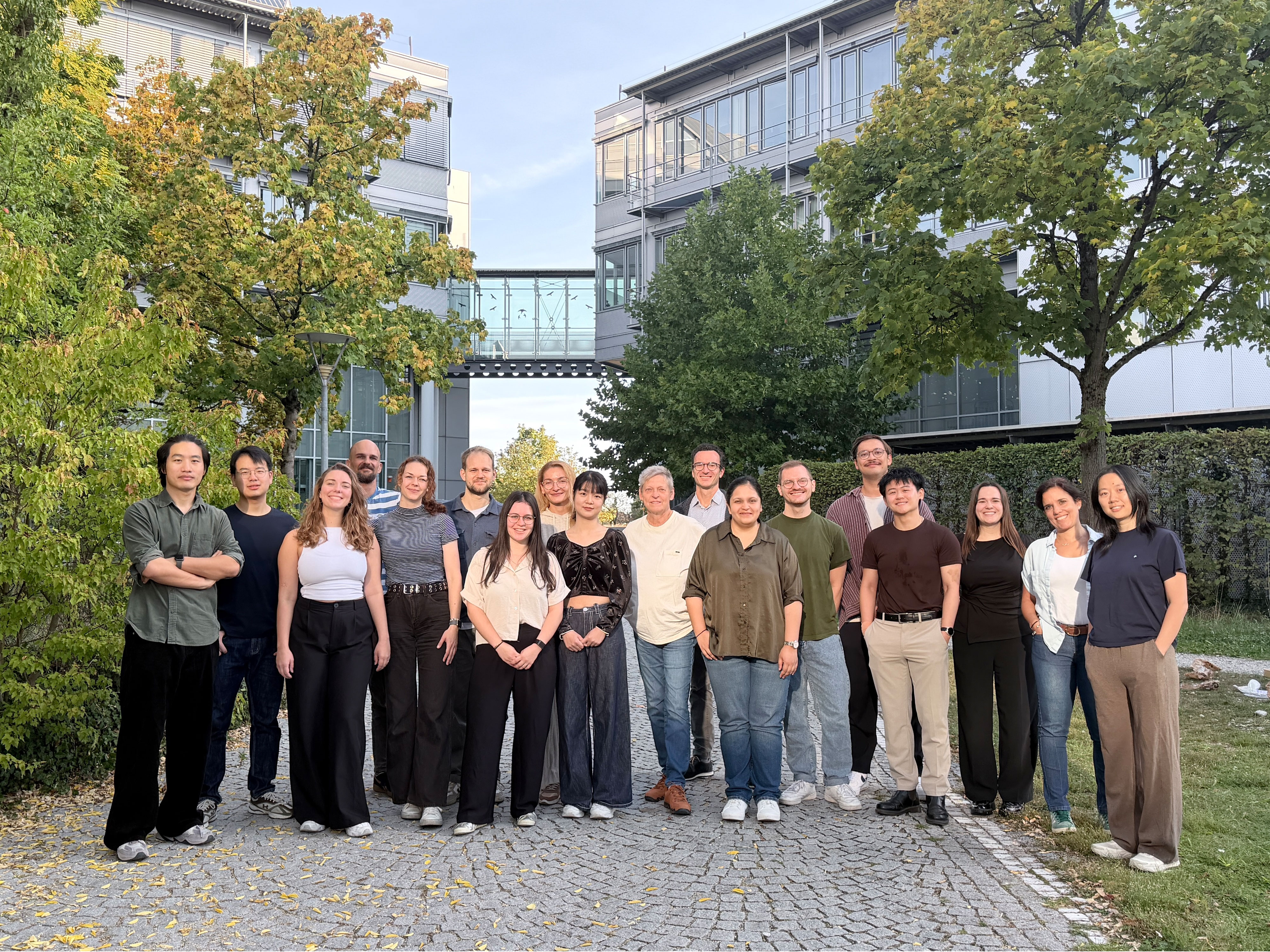
Oktoberfest 2024 with Dichgans and Plesnila Labs

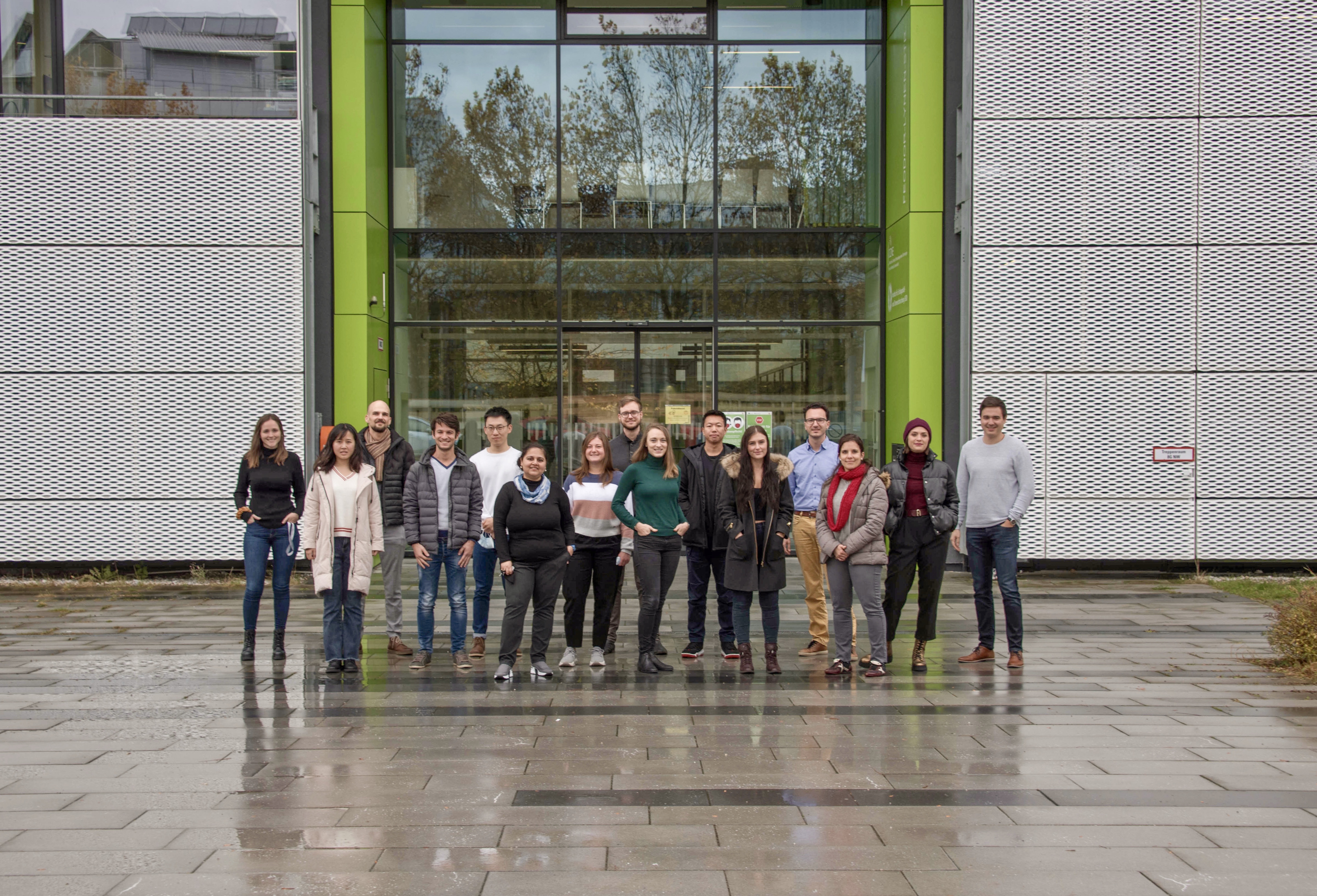
Lab Picture of 2020

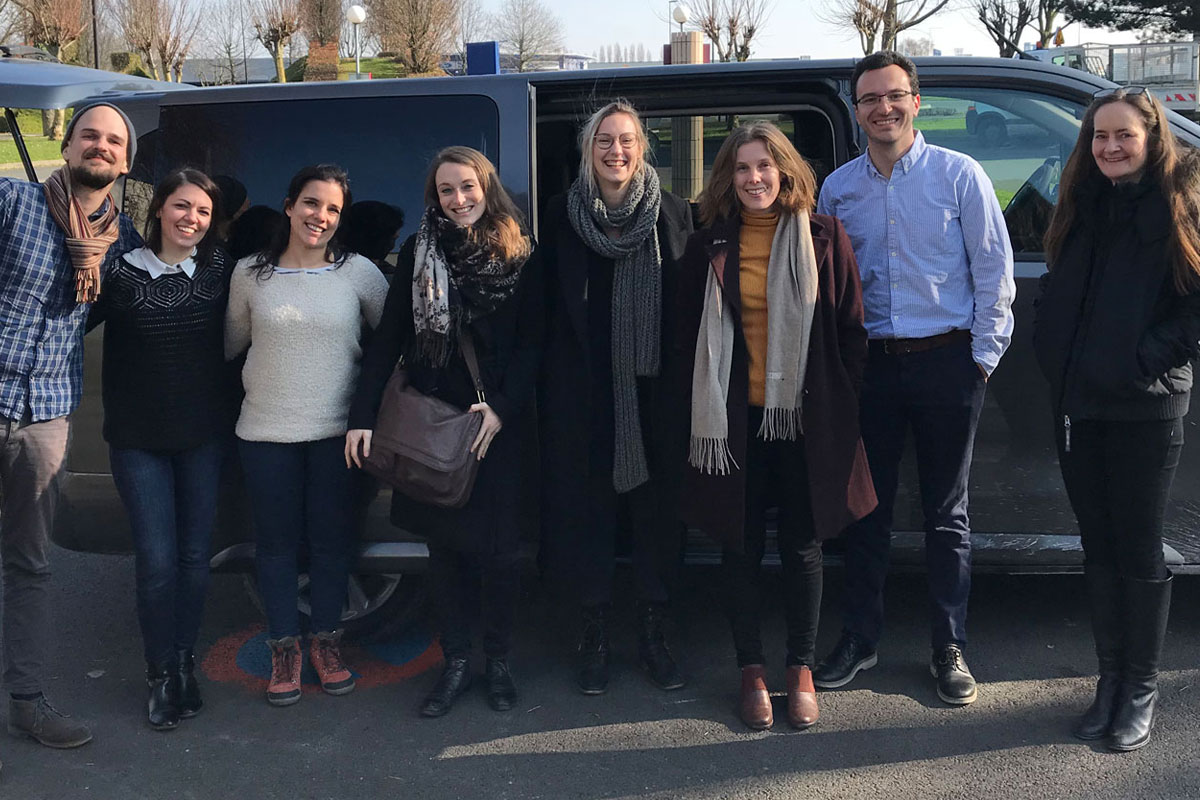
Road Trip to France

Liesz Lab
Liesz Lab

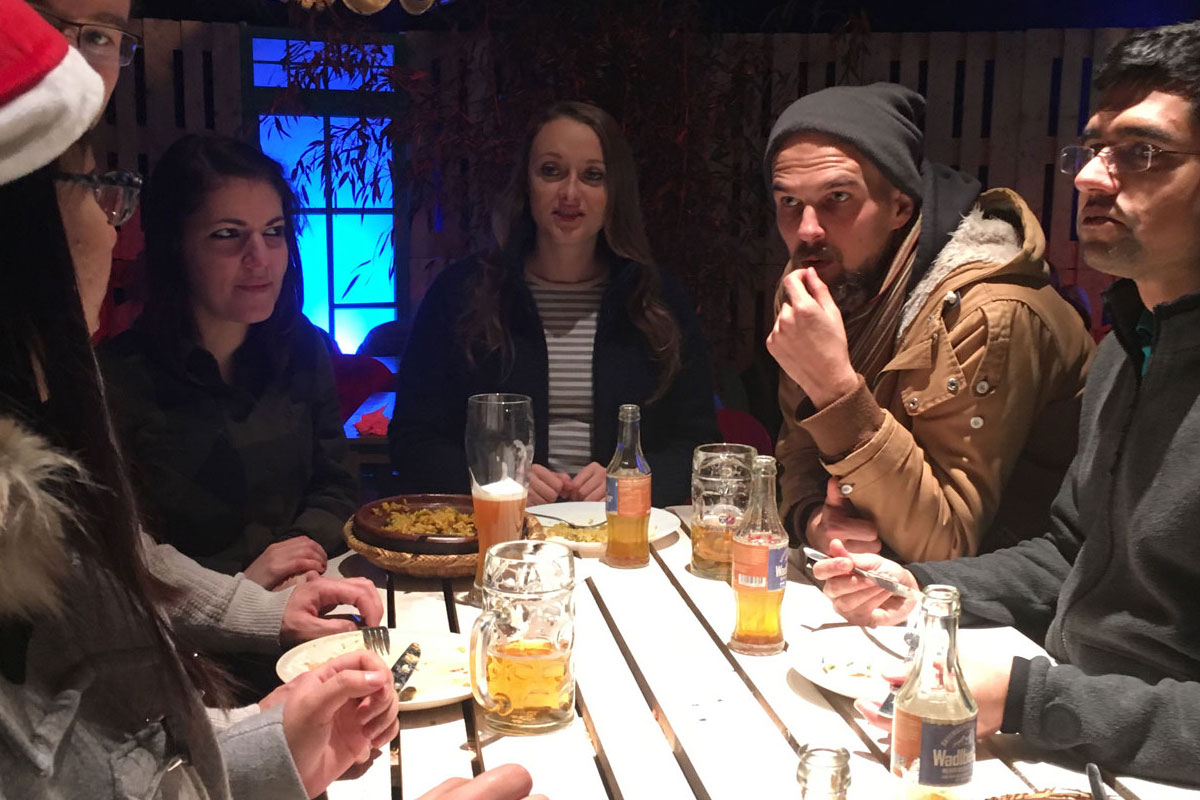
Christmas Market 2017

Liesz lab
Liesz Lab

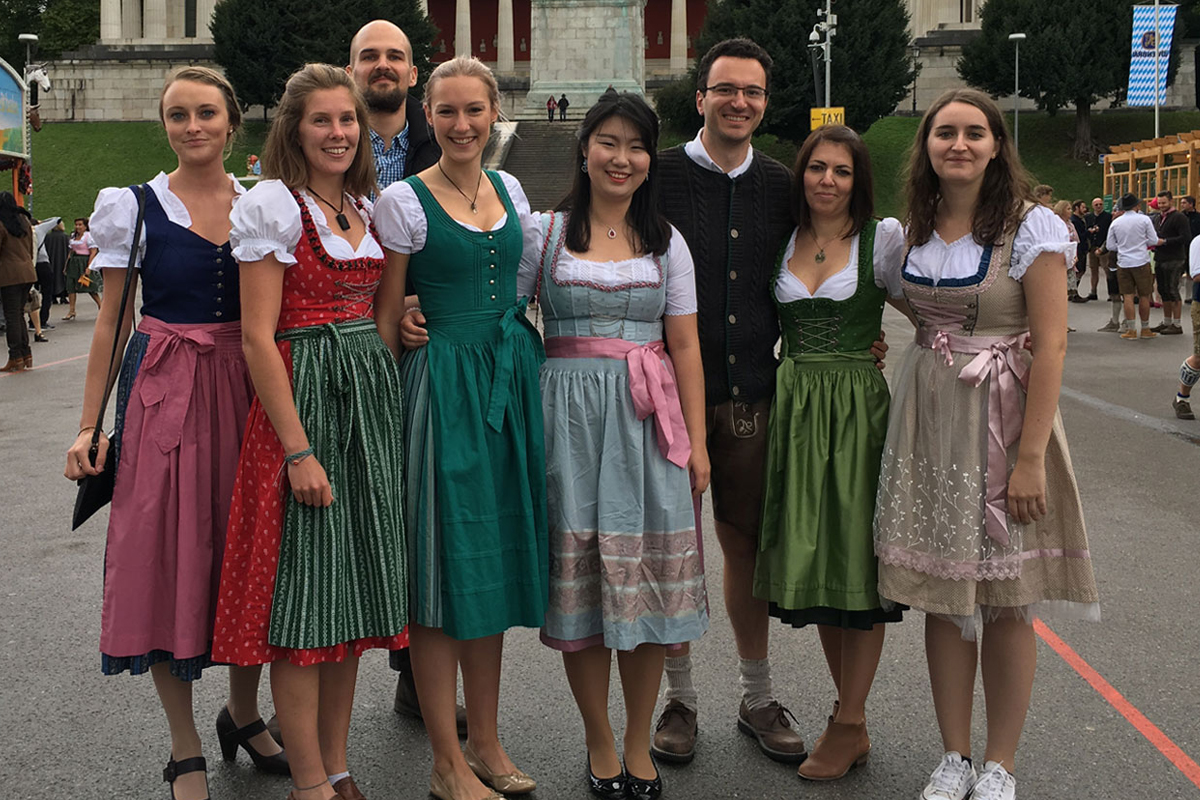
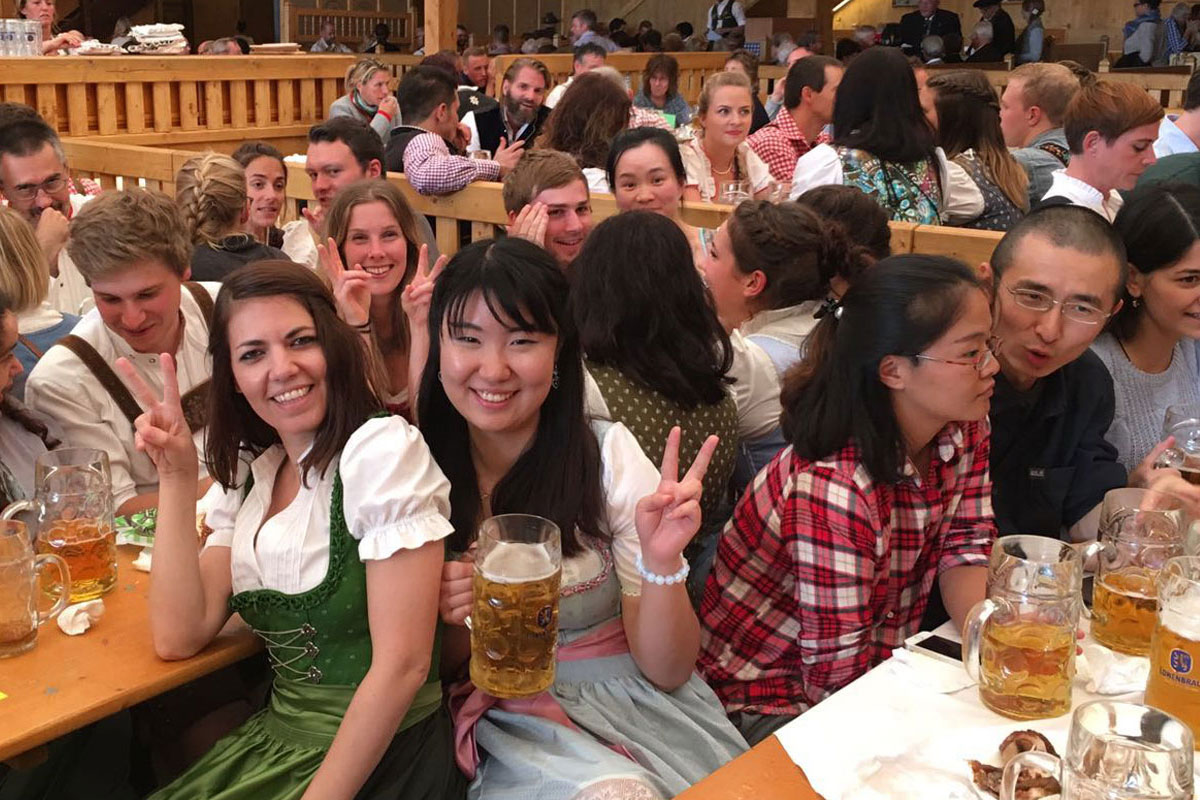
Octoberfest 2016 and 2017

Liesz Lab
Liesz Lab

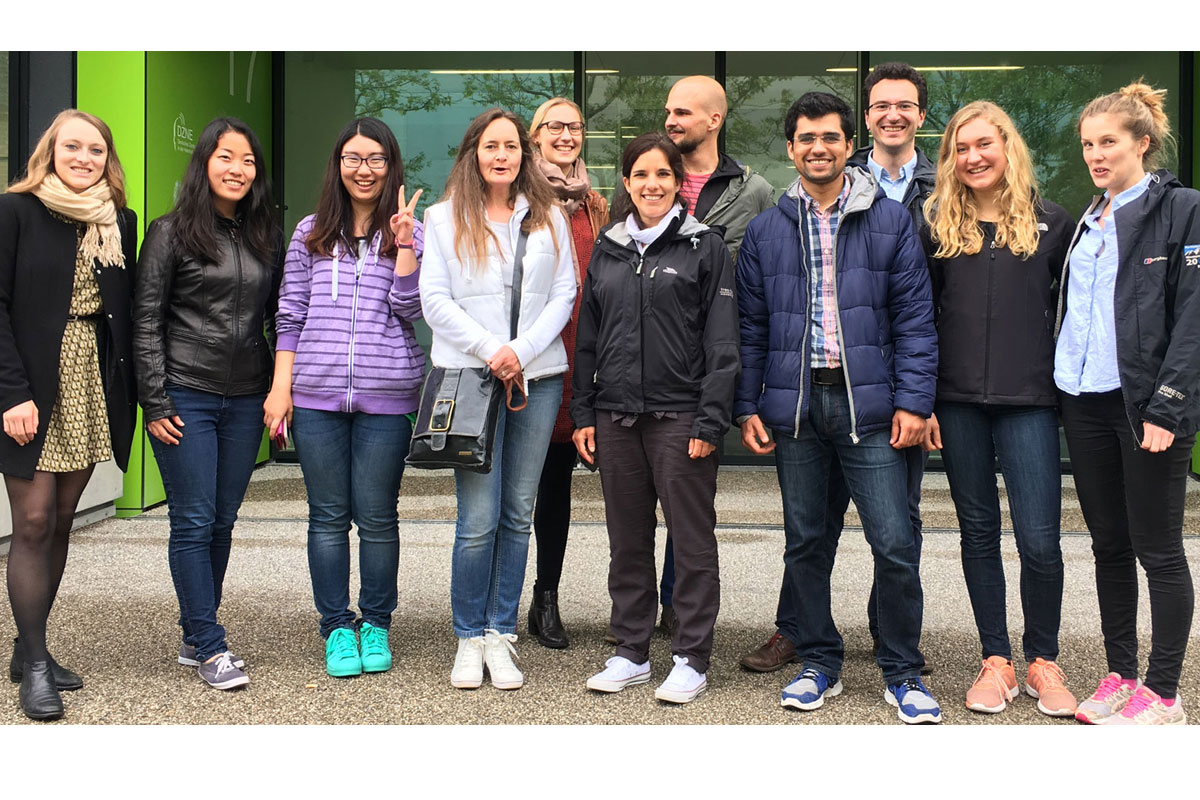
The official group picture 2016

Liesz Lab

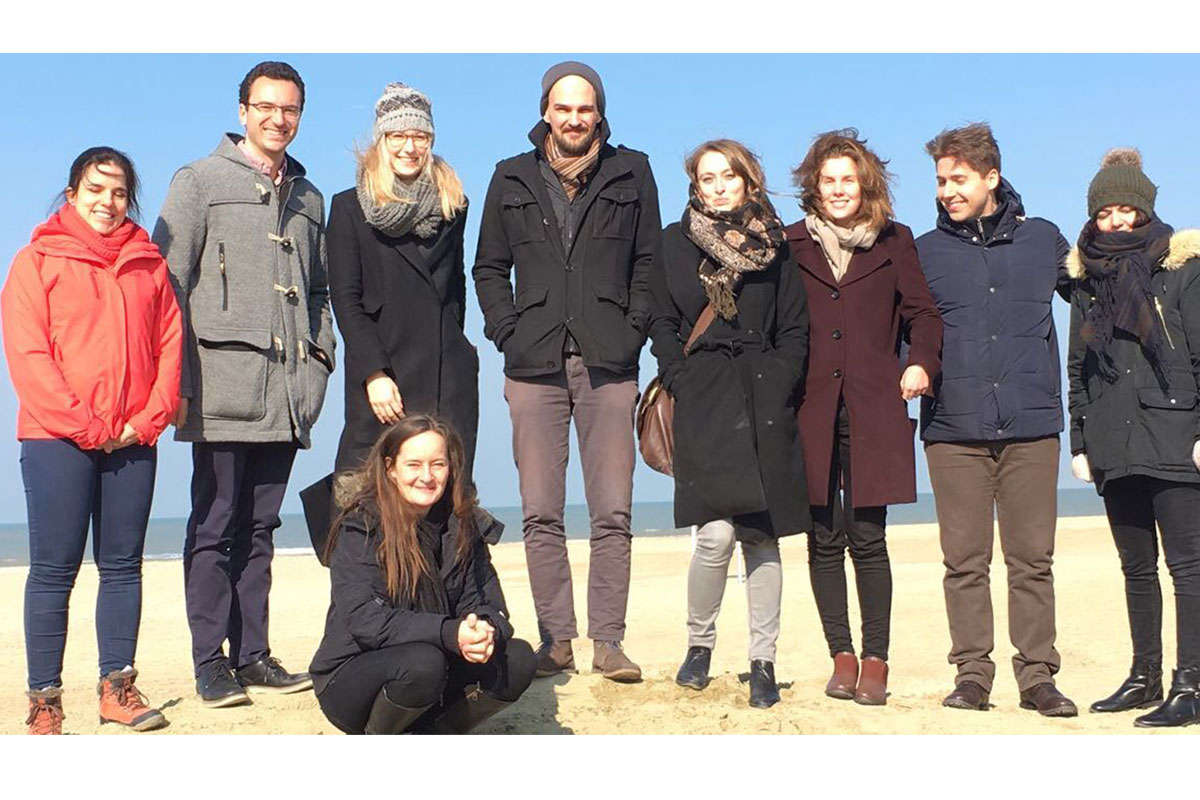
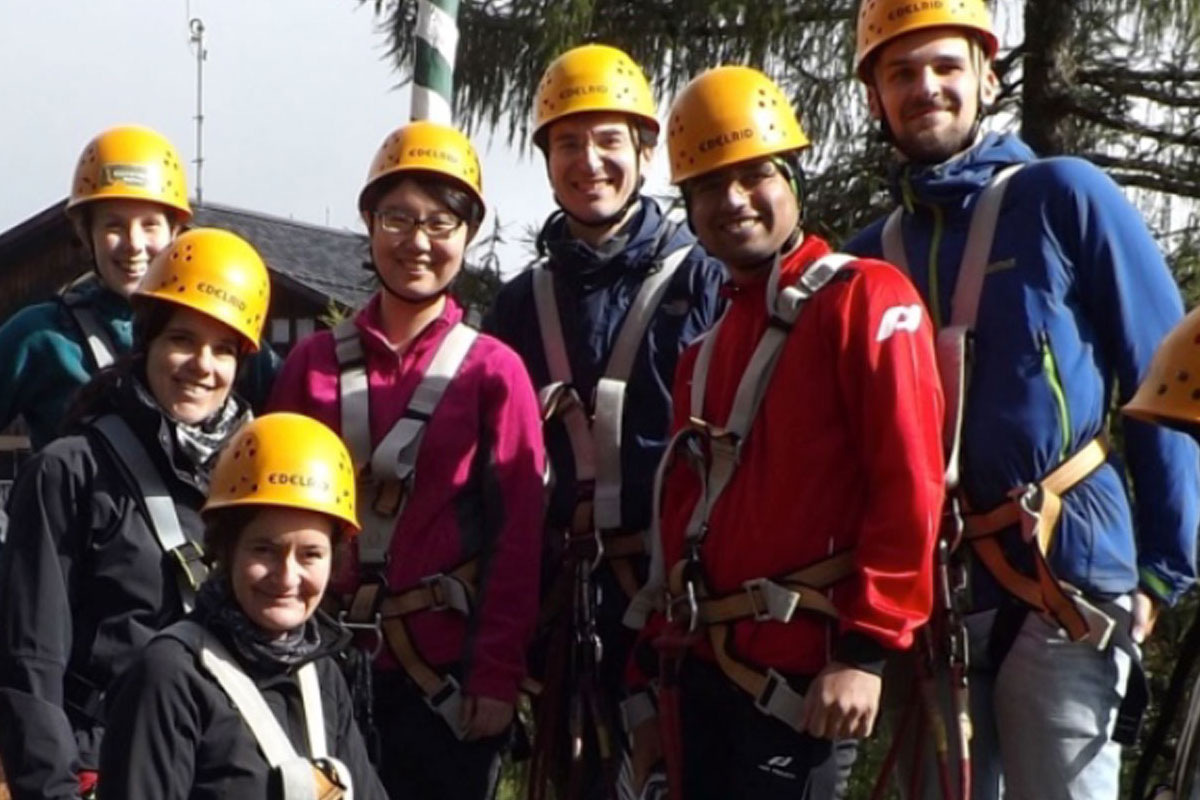
Lab outing 2015

Liesz Lab

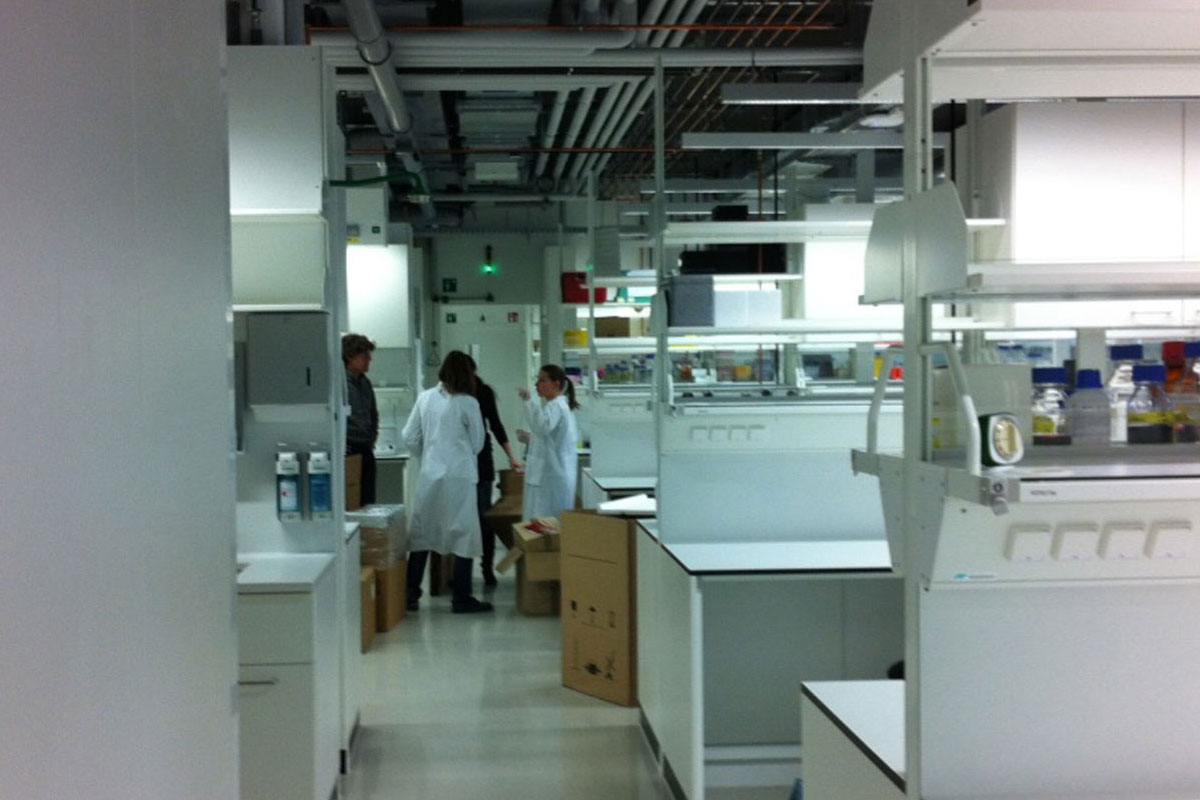
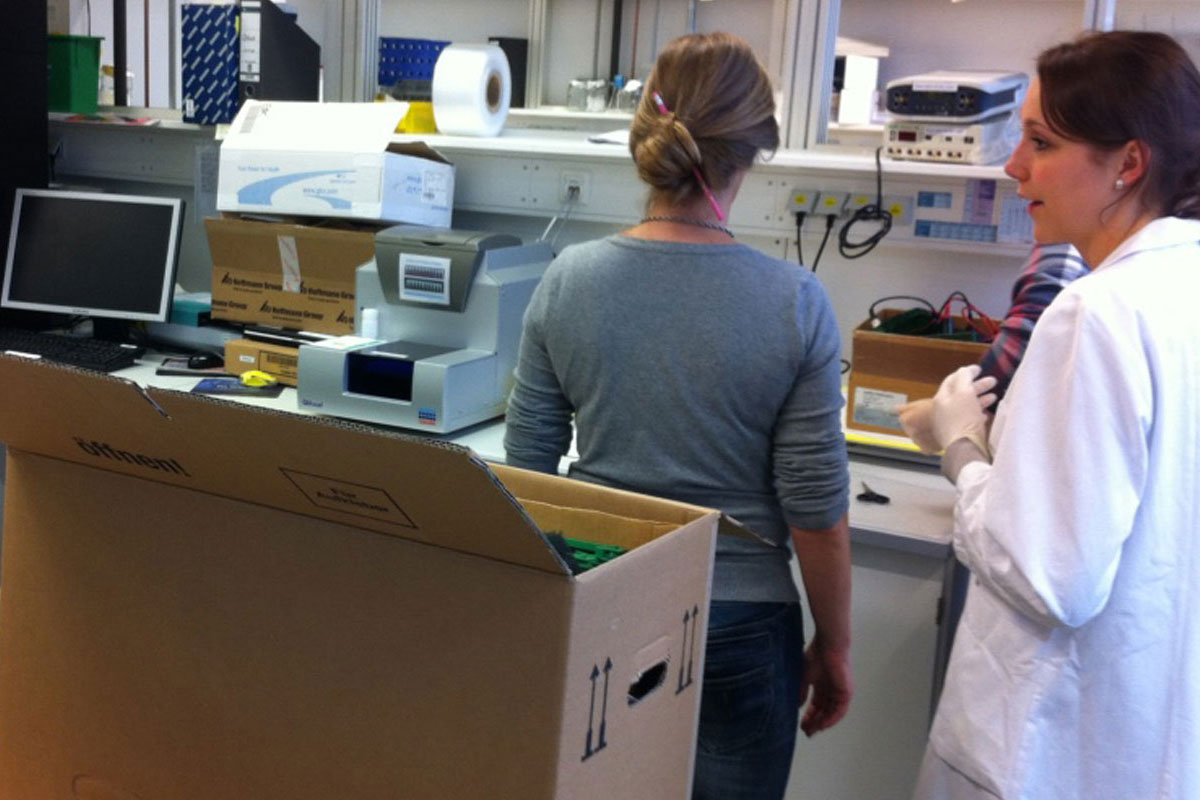
Moving to the new lab at the Center for Stroke and Dementia Research.

Liesz Lab
Liesz Lab

We gratefully acknowledge support for our work by the following funding agencies:

DFG Research Unit FOR2879 „From Immune Cells to Stroke Recovery“

DFG CRC TRR274 “Checkpoints of Central Nervous System Recovery”

DFG CRC TRR355 “Heterogeneity and functional specialization of regulatory T cells“

DFG CRC1123 “Atherosclerosis - Mechanisms and Networks of Novel Therapeutic Targets“

EraNET NEURON Network “MeniSYPs: The meninges as a new player in stroke”

SPP 2395 "Local and peripheral drivers of microglial diversity and function"

ERC

European Research Council (ERC) starting grant

SyNergy - Munich Cluster for Systems Neurology

The Munich Excellence Cluster for Systems Neurology (SyNergy)

Fundings:

DFG SFB 1744 / CRC 1744

DFG Research Unit FOR2879

DFG CRC TRR274

DFG CRC TRR355

DFG CRC1123